
Introduction
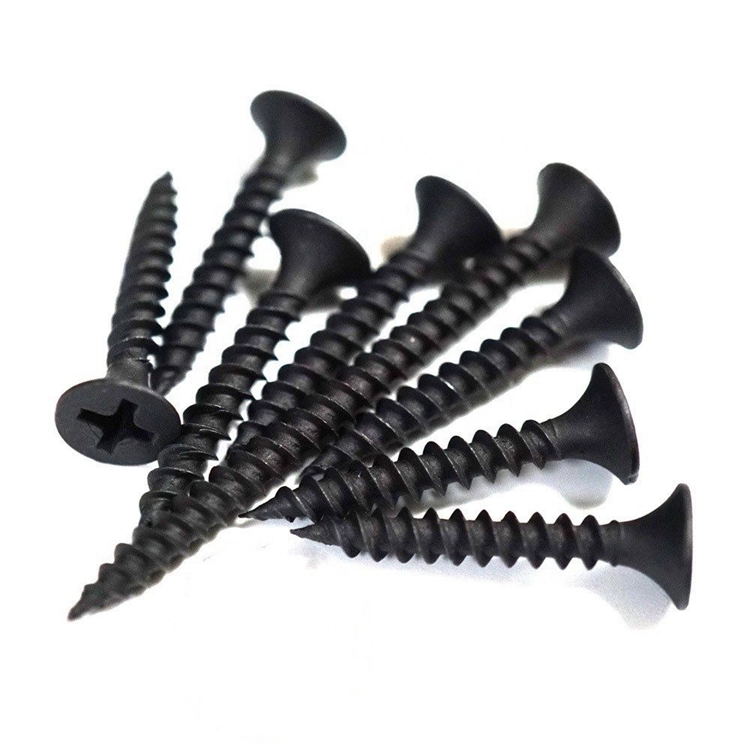
Unequal length stud bolts are specialized fasteners critically employed in applications experiencing significant differential thermal expansion or requiring controlled stress distribution, particularly in pressure vessel flanges, boiler connections, and high-temperature piping systems. Unlike standard stud bolts of equal length, unequal length designs mitigate induced stresses arising from differing thermal expansion rates of connected components, preventing bolt failure and maintaining joint integrity. Their technical position within the industrial chain is as a crucial component in pressure-containing systems, bridging the gap between structural materials (flanges, vessel shells) and sealing elements (gaskets). Core performance characteristics revolve around load-carrying capacity, resistance to stress corrosion cracking, and ability to maintain clamping force under fluctuating temperatures. The precise length differential is calculated based on material properties, operating temperatures, and joint geometry. Improper specification or installation can lead to catastrophic failure; therefore, understanding the nuances of their design and application is paramount.
Material Science & Manufacturing
The primary material for unequal length stud bolts is typically carbon steel (ASTM A193 Grade B7, B7M, B8, B8M), alloy steel (ASTM A320 Grade L7, L7M, L9, L9M), or stainless steel (ASTM A276 Type 304, 316, 316L). Carbon steel offers cost-effectiveness for moderate temperature applications, while alloy steels provide superior strength and creep resistance at elevated temperatures. Stainless steels are employed in corrosive environments. Material properties crucial to performance include tensile strength, yield strength, elongation, reduction of area, and Charpy impact toughness. Manufacturing processes begin with hot forging or cold heading of the raw material to form the stud bolt blank. Critical parameters during forging include die temperature, forging pressure, and cooling rate, impacting grain structure and mechanical properties. Threads are subsequently rolled or cut, with thread rolling preferred for its superior fatigue strength. The length differential is achieved through precise machining operations. Heat treatment, including quenching and tempering, is essential to achieve the desired hardness and ductility. Post-treatment, bolts undergo dimensional inspection, non-destructive testing (NDT) such as magnetic particle inspection (MPI) or ultrasonic testing (UT) to detect flaws, and surface treatment (e.g., galvanizing, zinc plating) for corrosion protection. Chemical composition verification is crucial to meet material specifications, and hardness testing (Rockwell, Brinell) confirms proper heat treatment. Hydrogen embrittlement is a potential concern during processing, particularly with high-strength steels; baking treatments may be necessary to mitigate this risk.
Performance & Engineering
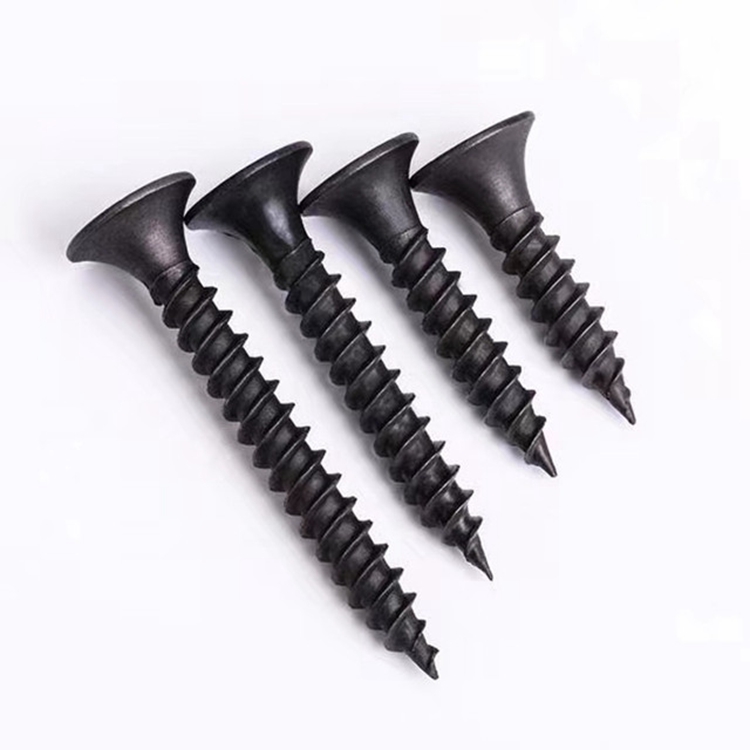
The performance of unequal length stud bolts is governed by several engineering principles. Force analysis focuses on predicting bolt load under thermal cycling. The differing lengths accommodate thermal expansion without inducing excessive tensile stress. A key consideration is the calculation of the required length difference to maintain preload at operating temperatures. Finite Element Analysis (FEA) is often used to model stress distribution within the joint and optimize bolt length. Environmental resistance is paramount; corrosion, particularly stress corrosion cracking (SCC), is a significant failure mode. Material selection, surface treatment, and gasket compatibility are vital to prevent SCC. Compliance requirements depend on the application. Pressure vessel applications adhere to ASME Boiler and Pressure Vessel Code Section VIII, Division 1 & 2. High-temperature applications may require adherence to specific creep resistance standards. The functional implementation involves calculating the length differential (ΔL) using the formula: ΔL = α L ΔT, where α is the coefficient of thermal expansion, L is the nominal bolt length, and ΔT is the temperature difference. Proper installation is critical. Bolts must be tightened to the specified preload using calibrated torque wrenches or tensioning devices. Gasket compression is also a vital parameter, ensuring a leak-tight seal. The effect of gasket relaxation over time must also be considered, necessitating periodic retightening.
Technical Specifications
| Material Grade | Tensile Strength (MPa) | Yield Strength (MPa) | Hardness (HRC) | Temperature Range (°C) | Length Differential Tolerance (%) |
|---|---|---|---|---|---|
| ASTM A193 B7 | 830-1000 | 485-620 | 30-34 | -20 to 370 | ±2% |
| ASTM A193 B7M | 930-1100 | 550-690 | 32-36 | -20 to 370 | ±2% |
| ASTM A276 Type 304 | 517-724 | 205-276 | 20-25 | -196 to 427 | ±1.5% |
| ASTM A276 Type 316 | 586-862 | 241-310 | 20-25 | -196 to 454 | ±1.5% |
| ASTM A320 L7 | 690-827 | 414-552 | 28-32 | -40 to 482 | ±1% |
| ASTM A320 L9 | 896-1034 | 586-724 | 30-34 | -40 to 538 | ±1% |
Failure Mode & Maintenance
Failure modes for unequal length stud bolts are diverse. Fatigue cracking, particularly at the thread root, is common in cyclically loaded applications. Stress corrosion cracking (SCC) can occur in corrosive environments, especially with susceptible materials. Hydrogen embrittlement can lead to brittle fracture. Creep, the slow deformation under sustained load at elevated temperatures, is a concern for high-temperature applications. Thread galling, caused by adhesive wear between mating threads, can occur during installation or retightening. Loss of preload due to gasket relaxation or thermal cycling compromises joint integrity. Maintenance involves periodic inspection for signs of corrosion, cracking, or deformation. Torque checks should be performed to verify preload. If corrosion is detected, bolts should be replaced. Lubrication during installation and retightening reduces the risk of thread galling. For critical applications, ultrasonic testing (UT) can be used to detect internal flaws. Detailed records of bolt tightening torque and inspection dates should be maintained. Regular preventative maintenance programs, including scheduled torque checks and inspections, significantly extend the service life of the bolted joint and prevent catastrophic failures.
Industry FAQ
Q: What is the primary benefit of using unequal length stud bolts over standard stud bolts in a flanged joint subjected to thermal cycling?
A: The primary benefit is the reduction of tensile stress induced by differential thermal expansion. Standard bolts, when subjected to uneven thermal expansion, can experience significant tensile loads, potentially leading to yielding or fracture. Unequal length bolts accommodate this expansion by allowing one side of the flange to move independently of the other, minimizing stress on the fasteners and maintaining preload.
Q: How do you determine the appropriate length differential for a specific application?
A: The length differential is calculated based on the coefficient of thermal expansion of the flange materials, the operating temperature range, and the flange diameter. Engineering calculations and Finite Element Analysis (FEA) are commonly used to optimize the length difference to ensure adequate stress relief without compromising joint integrity.
Q: What is the risk of hydrogen embrittlement, and how can it be mitigated?
A: Hydrogen embrittlement is a phenomenon where hydrogen atoms diffuse into the metal lattice, reducing ductility and increasing susceptibility to brittle fracture, particularly in high-strength steels. Mitigation strategies include using materials with low hydrogen permeability, controlling the plating or coating process to minimize hydrogen absorption, and employing baking treatments to remove absorbed hydrogen.
Q: What Non-Destructive Testing (NDT) methods are commonly used to inspect unequal length stud bolts?
A: Magnetic Particle Inspection (MPI) and Ultrasonic Testing (UT) are the most common NDT methods. MPI detects surface and near-surface flaws, while UT can detect both surface and subsurface defects, including cracks and voids. Dye penetrant inspection is also sometimes used for surface flaw detection.
Q: What are the critical considerations regarding gasket selection when using unequal length stud bolts?
A: Gasket selection is crucial. The gasket must be compatible with the fluid being contained, the operating temperature, and the flange materials. It must also be able to maintain its sealing properties under fluctuating temperatures and pressures. Gasket compression is a critical parameter that needs to be precisely controlled during installation. The gasket material should also exhibit minimal creep relaxation.
Conclusion
Unequal length stud bolts represent a sophisticated fastening solution engineered to address the challenges of differential thermal expansion in critical applications. Their design, material selection, and manufacturing processes are intrinsically linked to maintaining joint integrity and preventing catastrophic failures. A thorough understanding of the underlying engineering principles, potential failure modes, and appropriate maintenance procedures is essential for ensuring long-term reliability and safety.
The continued advancement of materials science and FEA modeling promises to further optimize the design and performance of unequal length stud bolts, leading to more efficient and robust pressure-containing systems. Future research may focus on developing novel materials with improved creep resistance and corrosion resistance, as well as incorporating smart sensors into the bolts to monitor preload and detect early signs of failure.