
Introduction
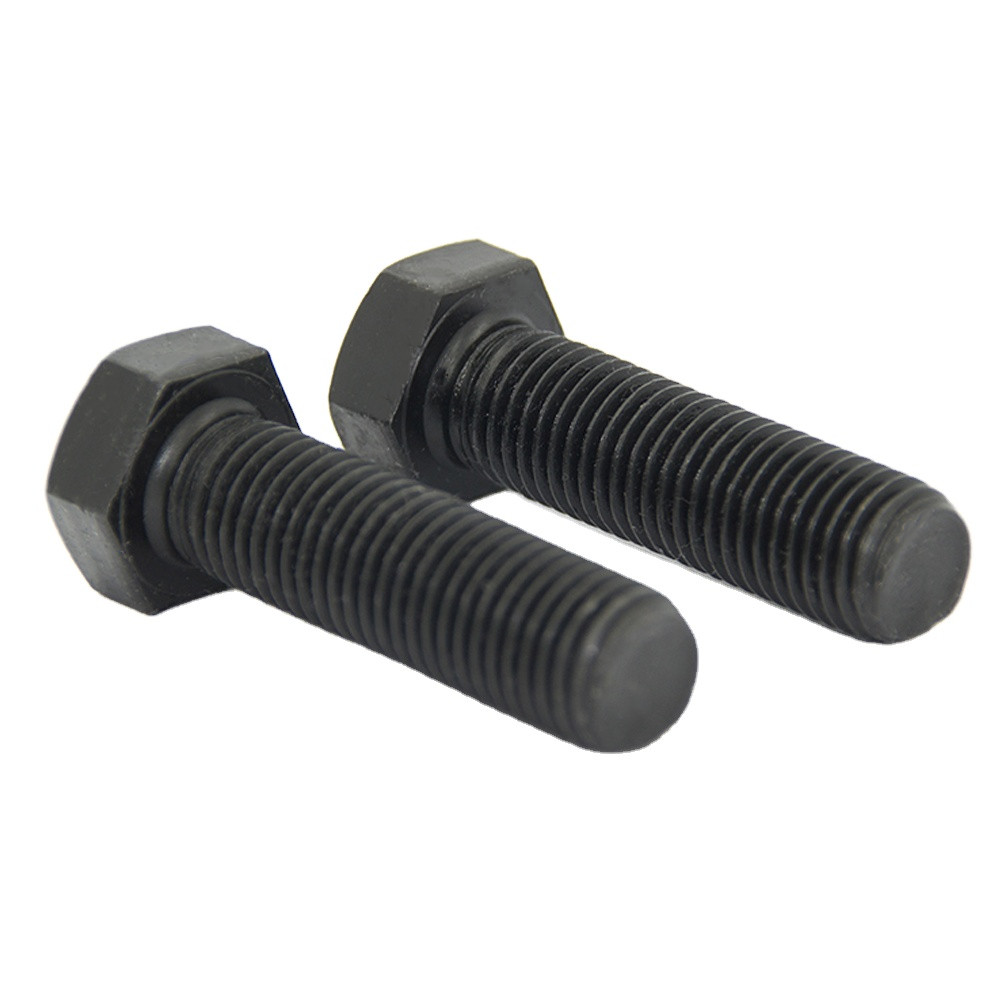
Equal length stud bolts are a critical fastening element in a wide array of industrial applications, predominantly utilized in high-stress, high-temperature environments such as pressure vessels, flanges, and power generation equipment. Unlike threaded rods, stud bolts are typically manufactured with threads along their entire length, permitting use with two nuts, offering enhanced clamping force and load distribution. Their symmetrical design simplifies installation and provides uniform tensile loading. This guide provides an in-depth technical overview of equal length stud bolts, covering material science, manufacturing processes, performance characteristics, potential failure modes, and relevant industry standards. A core industry pain point is ensuring consistent material properties and thread integrity to prevent catastrophic failures in critical applications, driving demand for rigorous quality control and traceability.
Material Science & Manufacturing
Equal length stud bolts are commonly manufactured from carbon steel (ASTM A193 Grade B7, A193 Grade B8), alloy steel (ASTM A193 Grade B16), and stainless steel (ASTM A193 Grade B8M, A286). The selection of material is dictated by the operating temperature, corrosive environment, and required mechanical properties. Carbon steels offer high strength but are susceptible to corrosion. Alloy steels provide improved strength and creep resistance at elevated temperatures. Stainless steels offer superior corrosion resistance but generally exhibit lower strength. Manufacturing begins with hot rolling or cold finishing of round bar stock. The material undergoes thread rolling, a cold-forming process that imparts high tensile strength and fatigue resistance compared to thread cutting. Precise control of thread pitch, diameter, and surface finish is critical. Heat treatment, including quenching and tempering, is employed to achieve the desired mechanical properties. Surface treatments like zinc plating, phosphate coating, or PTFE coating are often applied for corrosion protection. A critical parameter in manufacturing is dimensional accuracy; deviations from specified tolerances can compromise preload and lead to joint failure. Further, material composition verification using methods like Optical Emission Spectrometry (OES) is essential to confirm adherence to material specifications.
Performance & Engineering
The performance of equal length stud bolts is primarily determined by their tensile strength, yield strength, proof load, and fatigue resistance. Tensile strength represents the maximum stress the bolt can withstand before fracture. Yield strength defines the point at which permanent deformation occurs. Proof load is the maximum tensile load that can be applied without causing permanent set. Fatigue resistance is crucial in applications subject to cyclic loading. Force analysis involves calculating the bolt preload, which is the initial tension applied to the bolt during tightening. Proper preload ensures adequate clamping force and prevents joint separation. Environmental resistance is another critical consideration. Exposure to corrosive environments can lead to stress corrosion cracking, pitting corrosion, and hydrogen embrittlement. High-temperature applications necessitate materials with high creep resistance to prevent gradual elongation under sustained load. Compliance requirements, such as ASME Boiler and Pressure Vessel Code Section VIII Division 1 and API 6A, dictate specific material requirements, manufacturing processes, and testing procedures. The tightening torque is directly related to the preload achieved; careful control of torque is paramount using calibrated torque wrenches and appropriate tightening procedures. Furthermore, galvanic corrosion should be considered when dissimilar metals are used in the bolted joint.
Technical Specifications
| Material Grade | Tensile Strength (MPa) | Yield Strength (MPa) | Hardness (Rockwell C) |
|---|---|---|---|
| ASTM A193 B7 | 860 - 1050 | 415 - 550 | 30-37 |
| ASTM A193 B8 | 895 - 1140 | 480 - 620 | 30-37 |
| ASTM A193 B16 | 965 - 1170 | 515 - 690 | 32-40 |
| ASTM A193 B8M | 895 - 1035 | 480 - 620 | 28-34 |
| ASTM A286 | 930 - 1100 | 480 - 620 | 30-37 |
| ISO 898-1 Class 8.8 | 800 - 1000 | 360 - 500 | 24-32 |
Failure Mode & Maintenance
Common failure modes for equal length stud bolts include fatigue cracking, thread stripping, stress corrosion cracking, and hydrogen embrittlement. Fatigue cracking initiates from stress concentrations, such as thread roots or surface imperfections, and propagates under cyclic loading. Thread stripping occurs when the tensile load exceeds the shear strength of the threads. Stress corrosion cracking results from the combined action of tensile stress and a corrosive environment. Hydrogen embrittlement is a phenomenon where hydrogen atoms diffuse into the metal lattice, reducing ductility and causing premature failure. Maintenance involves periodic inspection for signs of corrosion, cracking, or deformation. Ultrasonic testing and magnetic particle inspection can detect subsurface cracks. Regular torque checks are recommended to ensure adequate preload is maintained. Lubrication with appropriate anti-seize compounds prevents galling and facilitates disassembly. Damaged or corroded bolts should be replaced immediately. Proper storage is critical; bolts should be protected from moisture and corrosive substances. Additionally, a documented maintenance program, including a bolt register with material certifications and tightening records, is essential for long-term reliability. A robust failure analysis process should be implemented to identify root causes and prevent recurrence.
Industry FAQ
Q: What is the significance of traceability in stud bolt procurement?
A: Traceability is paramount. It ensures each stud bolt can be linked back to its material origin, manufacturing process, heat treatment records, and inspection results. This is critical for verifying compliance with specifications, identifying potential defects, and enabling effective root cause analysis in the event of a failure. Full material certification (FMC) is the industry standard for critical applications.
Q: How does the thread form impact stud bolt performance?
A: The thread form significantly impacts performance. Unified National Coarse (UNC) and Unified National Fine (UNF) threads are commonly used. UNF threads generally offer higher tensile strength due to a larger stress area. The thread angle and pitch also influence load distribution and resistance to stripping. Precision thread rolling is vital to ensure proper thread engagement and minimize stress concentrations.
Q: What are the key considerations for selecting a stud bolt material for a high-temperature application?
A: Creep resistance and oxidation resistance are key. Alloy steels like ASTM A193 B16 offer superior creep resistance at elevated temperatures compared to carbon steels. Stainless steels provide good oxidation resistance but may have lower strength. The operating temperature and applied stress levels must be carefully considered when selecting the appropriate material.
Q: How important is proper tightening torque, and what methods are used to ensure accuracy?
A: Proper tightening torque is critically important for achieving the desired preload. Insufficient torque can lead to joint separation, while excessive torque can cause bolt failure. Calibrated torque wrenches, hydraulic tensioners, and ultrasonic bolt elongation measurement are commonly used to ensure accuracy. The tightening procedure should be documented and strictly followed.
Q: What preventative measures can be taken to mitigate the risk of hydrogen embrittlement?
A: Hydrogen embrittlement can be mitigated by selecting materials with low susceptibility, minimizing exposure to hydrogen-containing environments (e.g., during electroplating), baking processes to drive out absorbed hydrogen, and applying protective coatings to prevent hydrogen ingress. Careful control of the manufacturing process, particularly welding, is also important.
Conclusion
Equal length stud bolts are integral components in numerous critical industrial applications. Their performance is dictated by a complex interplay of material properties, manufacturing precision, and engineering design. Understanding the potential failure modes, coupled with diligent maintenance practices, is crucial for ensuring long-term reliability and preventing catastrophic failures. The selection of the appropriate material grade and adherence to relevant industry standards are paramount.
Continued advancements in material science and non-destructive testing methods will further enhance the performance and safety of equal length stud bolts. Implementing a robust quality control system, encompassing material traceability, rigorous inspection procedures, and comprehensive maintenance programs, is essential for mitigating risks and maximizing the lifespan of these critical fasteners.