News

  • Fastener Quality Starts with Motion: Why Linear Guides and Ball Screws Matter

    QH Bearings And Rails have become essential components in modern fastener manufacturing lines, where precision and reliability directly impact product quality and consistency. The evolution of fastener production has always been closely tied to advances in machine tool technology, and linear motion components represent one of the most significant areas of improvement in recent years.

    Precision linear motion components used in fastener manufacturing equipment

    The Growing Demand for Precision in Fastener Manufacturing

    The global fastener industry is facing increasing demands for tighter tolerances and higher consistency across all product categories. Automotive, aerospace, and construction sectors all require fasteners that meet strict dimensional and mechanical specifications. Manufacturers are responding by investing in advanced production equipment capable of delivering micron-level precision across millions of parts. This shift has placed greater emphasis on the mechanical systems that control the forming, threading, and finishing processes. Even a small deviation in the positioning of a threading die or a forming punch can result in rejects, rework, or field failures that erode profitability and reputation.

    Industry standards such as ISO 898, SAE J429, and ASTM F568 continue to evolve, pushing fastener makers to adopt more sophisticated manufacturing approaches. Achieving these standards consistently requires not only robust process design but also machine tools that can maintain positional accuracy over extended production runs. This is where the quality of linear motion components directly influences the bottom line.

    How Linear Motion Components Drive Production Quality

    At the heart of modern fastener manufacturing equipment are ball screws and linear guides that control the movement of forming dies, threading heads, and cutting tools. These components determine the positional accuracy and repeatability of each manufacturing step. The BSH Ball Screw series, for example, is commonly specified for feed mechanisms on thread rolling machines, where precise linear positioning directly affects thread quality and dimensional consistency. Similarly, linear guide rails ensure smooth, friction-free motion that reduces wear and maintains accuracy over long production runs.

    The relationship between motion quality and fastener quality is straightforward: any play, backlash, or stick-slip behavior in the feed system will be transferred to the workpiece. High-quality ball screws with preloaded nuts and precision-ground ball tracks eliminate these issues, enabling manufacturers to hold thread pitch tolerances within microns. For cold-forming operations, where material flow must be precisely controlled, the stiffness and smoothness of the linear guide system become even more critical.

    Material Selection and System Integration Considerations

    The choice of materials for linear motion components is critical in fastener manufacturing environments. High-carbon steel alloys, chrome-plated surfaces, and specialized heat treatments are used to extend service life and maintain performance under heavy cyclic loads. Manufacturers must also consider the integration of these components with servo motors, encoders, and CNC controllers to achieve the desired level of automation and closed-loop control. A well-matched linear motion system reduces vibration, minimizes thermal drift, and provides the consistent force transmission needed for high-speed fastener production.

    Supply chain reliability is another factor that fastener manufacturers increasingly evaluate when selecting linear motion suppliers. Consistent lead times, batch-to-batch quality uniformity, and technical support for custom applications all contribute to uninterrupted production schedules. As global supply chains face ongoing disruptions, having a dependable partner for critical motion components has become a strategic priority for the fastener industry.

    Future Trends in Fastener Manufacturing

    As the fastener industry moves toward greater automation and data-driven production, the role of precision linear motion components will continue to grow. Smart factories are integrating sensors and condition monitoring systems into ball screws and linear guides, enabling predictive maintenance and real-time quality control. These advances help fastener manufacturers reduce unplanned downtime, improve overall equipment effectiveness, and meet the ever-increasing demands of their customers for traceability and certified quality.

    The trend toward lightweight materials in automotive and aerospace applications is also driving innovation in fastener design and manufacturing. New materials require different forming and threading parameters, which in turn demand more adaptable and precise motion control systems. Linear motion component suppliers that invest in R&D and offer a wide range of product options are well positioned to support this evolution.

    The Bottom Line for Fastener Manufacturers

    The quality of a fastener is ultimately determined by the precision of the machine that makes it, and the precision of that machine depends on the quality of its linear motion components. Ball screws, linear guides, and support rails are not merely auxiliary parts; they are foundational elements that directly influence thread accuracy, surface finish, and dimensional consistency. As competition intensifies and quality standards rise, fastener manufacturers who invest in superior motion technology will gain a clear advantage in both performance and cost efficiency.

    The partnership between fastener producers and their supply chain partners for linear motion solutions will become even more important in driving innovation and maintaining competitiveness. Understanding the critical role of these components is the first step toward building a more reliable, precise, and profitable fastener manufacturing operation.

  • Beyond the Fastener: How Hardware Integrity Shapes Long-Term Fencing Performance

    Security Fencing Wire forms the backbone of modern perimeter protection systems, yet its effectiveness is only as strong as the fasteners that anchor it to supporting structures. In industrial and commercial construction, the synergy between fencing materials and fastening hardware determines not just security but long-term structural integrity, maintenance frequency, and total cost of ownership. Engineers and procurement specialists increasingly recognize that choosing the right bolt, clamp, or bracket is as critical as selecting the fence panel itself.

    Industrial metal fence panels with secure fasteners along a perimeter line

    The Hidden Load on Every Connection Point

    Fasteners in fencing systems endure constant tensile stress, shear forces from wind loads, vibration from nearby machinery, and corrosion from moisture and chemical exposure. A standard M10 bolt securing a fence post to a concrete foundation may bear hundreds of kilograms of lateral force during a storm. When fasteners are under-specified or manufactured with inconsistent thread tolerances, the entire perimeter becomes vulnerable to fatigue failure. This is especially critical in high-security zones where a single compromised connection can create a breach point.

    For fastening distributors and construction buyers, the lesson is clear: the mechanical properties of each fastener—yield strength, hardness, coating thickness—must match the demands of the fencing application. A zinc-plated carbon steel bolt may suffice for a temporary construction fence, but permanent installations call for hot-dip galvanized or stainless steel hardware that can outlast the fence itself.

    Material Compatibility: When Steel Meets Steel

    One of the most overlooked factors in fence system design is galvanic corrosion between dissimilar metals. When a zinc-coated fence panel is fastened with a stainless steel bolt, the difference in electrode potential can accelerate corrosion at the contact point—especially in humid or coastal environments. Industry standards like ASTM F844 and ISO 898-1 provide guidance on fastener material selection, but field experience shows that compatibility testing with the actual fence material is indispensable.

    A growing trend among specifiers is to use fasteners with coatings that match the fence finish—such as polyester powder-coated bolts for color-matched architectural fences, or hot-dip galvanized hardware for welded mesh panels. This approach not only prevents corrosion but also simplifies maintenance and inspection routines. For projects requiring Double Wire Mesh Fence systems, the consistency of the fastening hardware across all connection points becomes a defining factor in both security and aesthetic uniformity.

    Certification and Traceability in the Supply Chain

    Construction buyers and fastener distributors are increasingly requiring mill test reports and batch traceability for every lot of fasteners used in perimeter fencing. This demand is driven by liability concerns and the need to meet project specifications such as AASHTO M180 or EN 10244. A fastener that fails a tensile test after installation can lead to costly remediation and reputational damage. Leading suppliers now provide digital certificates of conformance that link each batch to its raw material source, heat treatment record, and coating thickness measurement.

    The same traceability ethos applies to the fence materials themselves. When a manufacturer sources wire rod from a certified mill and controls the drawing, welding, and coating processes in-house, the resulting fence panels exhibit consistent mechanical properties. Fasteners paired with such panels must meet equivalent quality standards to avoid being the weakest link in the system.

    Installation Practices That Extend System Life

    Even the highest-quality fasteners and fence panels will underperform if installation practices are lax. Torque specifications for bolts must be followed precisely—over-tightening can strip threads or cause embrittlement in galvanized coatings, while under-tightening leaves connections loose and prone to fatigue. Many contractors now use calibrated torque wrenches and document fastening torque values for each post and rail connection.

    Another best practice is the use of anti-vibration washers and thread-locking compounds in high-vibration environments such as near railways or industrial machinery. These simple additions can dramatically reduce the frequency of re-tightening and inspection. For fence systems that include removable panels or gates, the hinge and latch fasteners deserve special attention—they are subject to cyclic loading every time the gate is operated.

    Lifecycle Cost Considerations for Procurement Teams

    When evaluating fencing systems on a total cost of ownership basis, fasteners represent a small fraction of the initial investment but can drive significant long-term expenses. Corroded bolts that require cutting and replacement, loose brackets that damage fence panels, or mismatched hardware that causes galvanic failure—all of these scenarios inflate maintenance budgets. A 2023 analysis of industrial perimeter installations found that projects using premium fasteners with corrosion-resistant coatings had 40% lower maintenance costs over a ten-year period compared to those using standard hardware.

    For procurement managers, the recommendation is to specify fasteners that meet or exceed the same environmental rating as the fence material. If the fence is rated for 20 years in a coastal environment, the fasteners should carry a similar corrosion warranty. This alignment simplifies inventory management and ensures that the entire system performs as a unified assembly rather than a collection of mismatched components.

    Looking Ahead: Standardization and Modular Design

    The trend toward modular fencing systems—where panels, posts, and fasteners are designed as an integrated kit—is gaining traction across commercial and industrial sectors. These systems reduce on-site decision errors and simplify procurement by bundling all hardware with the fence panels. However, buyers must verify that the fasteners in these kits are sourced from reputable manufacturers and that replacement hardware will be available for the full service life of the fence.

    Standardization efforts such as ISO 1461 for hot-dip galvanized coatings and EN 10244-2 for wire coatings provide a common language for specifiers and suppliers alike. As the industry moves toward stricter sustainability and traceability requirements, the role of the fastener as a critical component of the fencing ecosystem will only grow in importance. Smart procurement means looking beyond the panel and paying attention to every connection that holds it in place.

    This article is provided for informational purposes and reflects industry best practices. Always consult with qualified engineers and material specialists for project-specific requirements.

  • Why Material Selection Matters for High-Performance Fasteners in Aerospace and Medical Devices

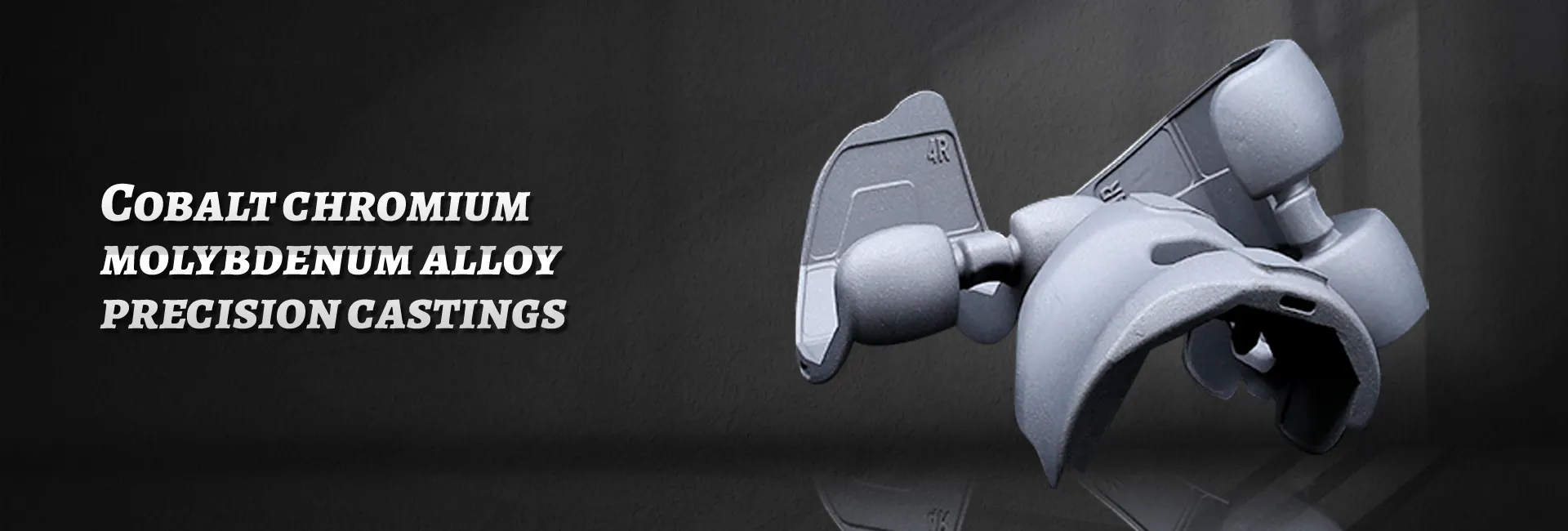
    Refurbished Platform technologies are redefining how precision castings serve the fastener industry, particularly for applications that demand extreme reliability. In aerospace and medical devices, a single fastener failure can lead to catastrophic consequences, making material selection and manufacturing precision non-negotiable.

    High-precision casting for aerospace and medical fasteners

    The Growing Demands on Fasteners in Extreme Environments

    Fasteners used in jet engines, spacecraft, and orthopedic implants must withstand high temperatures, corrosive fluids, and repetitive stress. Traditional steel fasteners often fall short in these scenarios, leading engineers to seek advanced alloys and casting methods. The industry now faces a critical challenge: balancing strength, weight, and biocompatibility while maintaining cost-effectiveness.

    Medical implant fasteners, for example, require materials that are both strong and non-reactive with human tissue. Similarly, aerospace fasteners must resist oxidation at temperatures exceeding 1000°C. These contradictory requirements have pushed fastener manufacturers to collaborate with specialized foundries that produce high-temperature alloy precision castings.

    Material Science Behind High-Strength Fasteners

    Nickel-based superalloys, cobalt-chromium, and titanium alloys have become the backbone of mission-critical fasteners. These materials offer excellent creep resistance, fatigue life, and corrosion resistance. However, machining them into complex fastener geometries is difficult and wasteful. Precision casting eliminates many of these issues by producing near-net-shape components, reducing material waste and secondary operations.

    The fastener industry is increasingly turning to investment casting to create threaded inserts, lock nuts, and custom bolts with intricate internal features. This process allows for tighter tolerances and better surface finishes than traditional forging or machining, particularly for small batches of specialized fasteners.

    Precision Casting's Role in Complex Fastener Geometries

    One area where precision casting excels is producing components like the Ball Head used in modular hip implants. These spherical heads require a mirror-like finish and exact sphericity to ensure proper joint articulation. The same casting techniques that create medical implants are now being applied to fastener heads that must provide secure, repeatable torque in confined spaces.

    For aerospace fasteners, precision casting enables the inclusion of undercuts, blind holes, and asymmetrical shapes that are impossible to achieve with conventional machining. This design freedom allows engineers to optimize weight distribution and stress flow, directly improving the performance of the final assembly.

    Future Trends in Fastener Manufacturing

    The push toward lightweight structures in electric vehicles, drones, and next-generation aircraft is driving demand for fasteners made from advanced alloys. Additive manufacturing and precision casting are converging, with hybrid processes that combine the best of both worlds. We are also seeing greater use of digital twins and simulation software to predict casting defects before production begins.

    For fastener distributors and OEMs, understanding the capabilities of their casting suppliers is becoming a competitive advantage. The ability to produce small series of custom fasteners with rapid turnaround times will separate market leaders from the rest.

    Conclusion

    Material selection is no longer an afterthought in fastener design—it is the foundation upon which reliability is built. By leveraging precision casting technologies, fastener manufacturers can meet the extreme demands of aerospace and medical applications while maintaining cost efficiency. The partnerships between fastener companies and specialized foundries will continue to deepen as the industry evolves toward higher performance and more complex geometries.

  • Modernizing Structural Integrity: The Evolution of Lightweight Steel Components in Commercial Construction

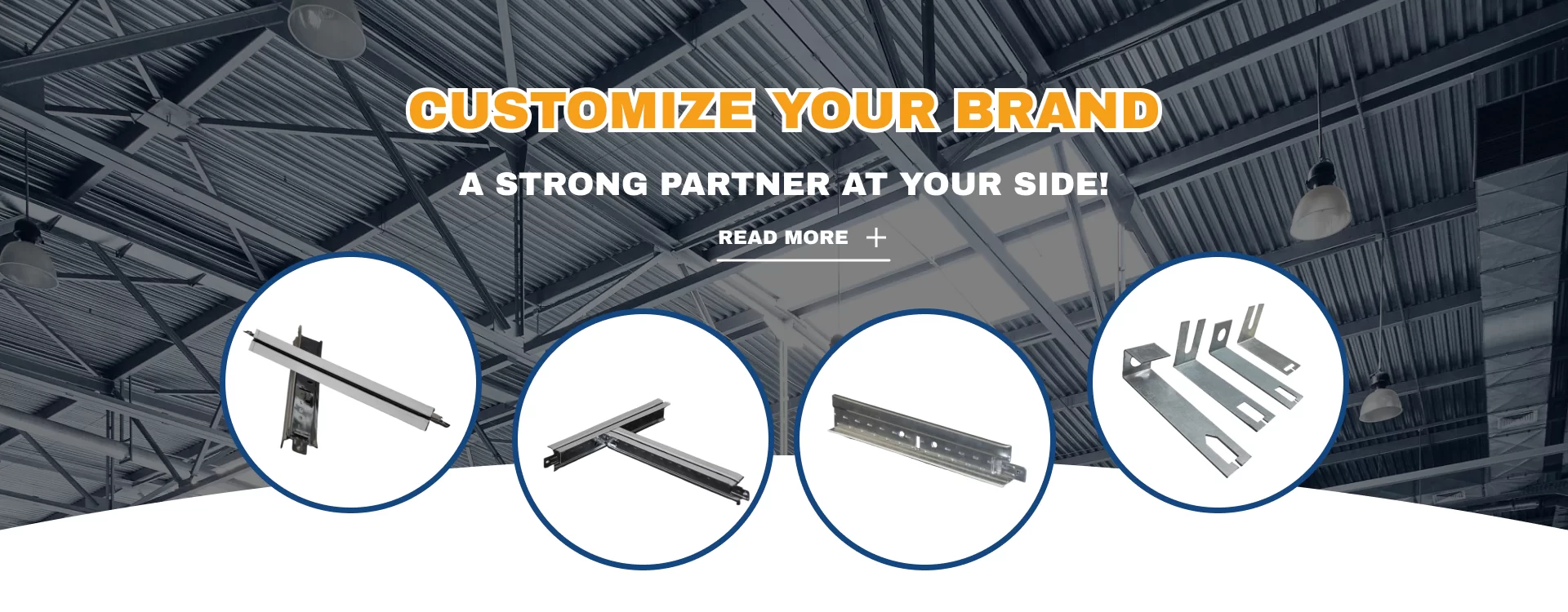
    Using a small furring channel is essential for achieving a perfectly level ceiling surface in high-specification interior designs. As modern architecture shifts toward sustainable, rapid-assembly frameworks, the demand for precision-engineered light steel components has surged. This shift is not merely a trend but a fundamental change in how structural engineers and interior designers approach load distribution and spatial efficiency.

    Traditional heavy-duty masonry and timber framing are increasingly being supplemented or replaced by cold-formed steel. This transition is driven by the need for seismic resilience, fire resistance, and the ability to create complex geometries that were previously cost-prohibitive. The lightweight nature of these systems reduces the overall dead load of a building, which in turn allows for more economical foundation designs and enhanced structural stability.

    Modern lightweight steel framing and ceiling grid infrastructure

    Addressing the Challenges of Acoustic and Fire Separation

    One of the most significant pain points in modern multi-story commercial builds is the management of sound transmission and fire safety between floors. As buildings become more densely packed, the integrity of the ceiling-to-wall junction becomes a critical failure point. If the connection between the horizontal ceiling system and the vertical partition is too rigid, thermal expansion or seismic movement can cause cracking in drywall or, worse, compromise the fire seal.

    To mitigate these risks, engineers are increasingly specifying specialized components like the Slotted Deflection Track. This component allows for the necessary movement within a partition wall without breaking the acoustic or fire-rated seal. By integrating such specialized hardware, contractors can ensure that the building's safety envelope remains intact even under structural stress.

    Supply Chain Precision and Material Consistency

    The success of a lightweight steel installation depends heavily on the micron-level precision of the manufacturing process. Inconsistent thickness in T-bar ceiling grids or variations in the gauge of light steel keels can lead to cumulative errors during installation, resulting in sagging ceilings or misaligned partitions. This is why industry leaders are looking toward integrated manufacturers who control the entire production lifecycle—from R&D to the final automatic production lines.

    Trends in Interior Infrastructure Support

    • Modularization: Moving toward pre-fabricated steel kits to reduce on-site labor.
    • Sustainability: Utilizing high-recycled-content steel to meet LEED and green building certifications.
    • Smart Integration: Designing ceiling grids that easily accommodate modern HVAC and IoT sensor arrays.

    As the global construction market evolves, the focus remains on the synergy between high-quality raw materials and intelligent design. Companies like Wenan Jinkai Building Materials Co., Ltd. have become integral to this ecosystem, providing the essential T-bar grids and light steel framing that serve as the backbone for modern interior environments across the Middle East, Australia, and Southeast Asia. By prioritizing standardized, high-tech production, the industry ensures that the "hidden" structures of our buildings are as resilient as they are efficient.

  • The Evolution of Structural Integrity in Modern Fastening Solutions

    Gas Shooting Nail technology and high-precision fasteners are redefining the speed and reliability of modern construction. As building projects move toward higher density and complex architectural designs, the demand for fastening components that offer both immediate structural stability and long-term durability has never been higher.

    In the current landscape of civil engineering and interior carpentry, the margin for error is shrinking. Engineers and contractors are increasingly looking beyond simple attachment methods, focusing instead on the metallurgical properties and the mechanical stress tolerances of every single component used in a build. Whether it is a large-scale commercial development or a bespoke residential project, the integrity of the whole relies on the smallest individual elements.

    Industrial hardware and fastening components for construction

    Addressing the Challenges of Material Fatigue

    One of the primary pain points in modern construction is material fatigue caused by environmental fluctuations. Changes in humidity, temperature, and structural load can cause traditional fasteners to loosen or corrode over time. This leads to much larger issues, such as misaligned door frames, creaking floorboards, or even structural instability in modular furniture and cabinetry.

    To mitigate these risks, the industry has shifted toward specialized hardware. For instance, when working with timber-based structures, utilizing Wood – Use Spiral Nails can significantly enhance the withdrawal resistance compared to standard smooth-shank nails. These specialized designs allow for a tighter grip within the wood fibers, effectively distributing stress more evenly across the joint.

    Precision in Hardware Supply Chains

    The reliability of a construction project is often a direct reflection of the supply chain efficiency. A gap in quality control at the manufacturing level can lead to cascading failures on-site. This is why many top-tier contractors are moving away from generic hardware wholesalers and instead seeking partners with specialized production capabilities.

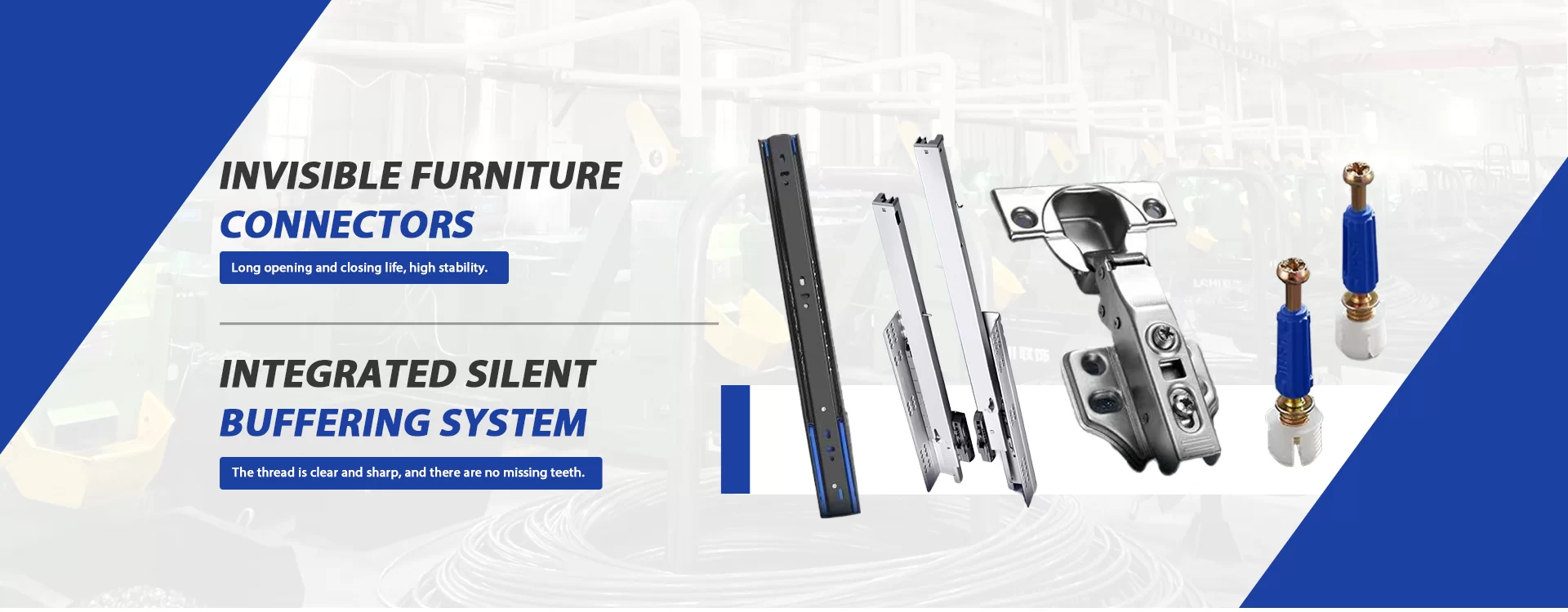
    Specialized manufacturers, such as Hebei Lianshi Furniture Hardware Company Limited, have demonstrated that integrating R&D with rigorous lean manufacturing is the key to meeting global standards. By focusing on high-precision items like damping hinges, buffer slides, and eccentric wheels, these suppliers provide the "invisible" stability that makes modern, high-end furniture and construction feel seamless and premium.

    Future Trends: Innovation in Hardware Engineering

    • Smart Fastening: Development of coatings that resist extreme oxidation.
    • Automated Installation: Hardware designed specifically for rapid pneumatic and robotic assembly.
    • Sustainability: Focus on recyclable steel alloys and reduced-waste manufacturing processes.

    As we look toward the next decade of building and manufacturing, the intersection of technology and hardware will only deepen. The goal remains the same: to create structures and living spaces that are not only aesthetically pleasing but are fundamentally safe, stable, and built to last through the evolution of the modern home.

  • The Evolution of Heavy-Duty Component Durability in Modern Logistics

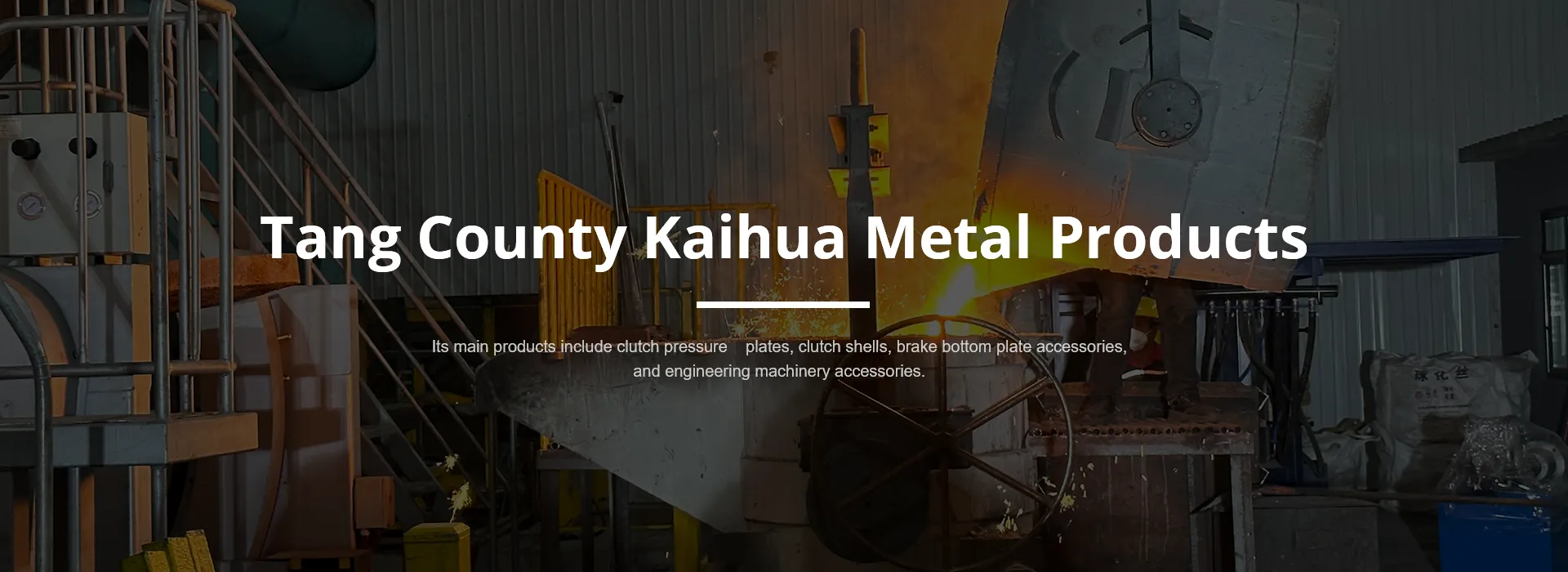
    High-quality Clutch Pressure Plate components are essential for the seamless operation of heavy-duty transport vehicles. As global supply chains face increasing pressure for speed and efficiency, the mechanical integrity of vehicle drivelines and chassis components becomes a critical factor in minimizing downtime.

    The automotive and engineering machinery sectors are currently navigating a shift toward higher load capacities and more rigorous duty cycles. This evolution requires a fundamental reassessment of how casting and machining processes contribute to the overall lifespan of heavy machinery. It is no longer just about the assembly; it is about the microscopic precision of the underlying metal components.

    Precision industrial metal casting components for heavy machinery

    Material Science and Thermal Stability

    One of the primary pain points in heavy machinery maintenance is thermal fatigue. Components subjected to constant friction and high torque—such as those found in heavy-duty truck axles and transmission systems—undergo significant thermal expansion and contraction. If the metallurgical composition of a casting is inconsistent, micro-fractures can develop, leading to catastrophic failure.

    Advanced induction furnace technology has revolutionized how these parts are produced, allowing for more precise temperature control during the molten phase. This precision ensures that the grain structure of the metal is uniform, providing the necessary toughness required for high-stress applications like Axle Thrust Rod Seats and other structural chassis elements.

    The Role of Precision Machining in Component Longevity

    Beyond the initial casting, the secondary machining phase defines the final tolerance levels of a component. In the context of modern fastener and component manufacturing, the margin for error is shrinking. CNC machining centers must work in harmony with high-quality castings to ensure that interfaces between moving parts are perfectly seated.

    Industry Trends to Watch:

    • Increased demand for high-tensile alloy castings in construction machinery.
    • Automation in pouring and molding to reduce human-induced structural defects.
    • Integration of strict IATF16949 quality standards across the entire supply chain.

    Strengthening the Global Supply Chain

    As logistics companies expand into emerging markets in Africa, Southeast Asia, and Europe, the demand for reliable replacement parts is surging. The stability of this market relies on manufacturers who can balance large-scale production capacities with rigorous quality management. When the underlying supply chain—from the raw sand mixing to the final CNC lathe processing—is robust, the entire transportation ecosystem becomes more resilient.

    Ultimately, the durability of the modern heavy-duty vehicle is a testament to the synergy between metallurgical engineering and precision manufacturing. By focusing on high-end equipment components and continuous process improvement, the industry ensures that the machinery driving the global economy remains operational under the most demanding conditions.

  • Innovations and Challenges in Industrial Pipe Support Systems

    Understanding the types of pipe supports is fundamental for engineers and project managers tasked with designing and maintaining safe, efficient industrial piping systems. The selection and application of these supports directly influence the operational integrity and safety of chemical plants, refineries, and infrastructure projects worldwide.

    Industrial pipe supports and clamps in a chemical plant setting  

    The Critical Role of Pipe Supports in Industrial Applications

    Pipe supports serve as the backbone of industrial piping networks, ensuring that pipes remain securely positioned under various operational stresses including thermal expansion, vibration, and mechanical loads. Their design must accommodate a range of environmental factors such as temperature extremes, corrosive atmospheres, and dynamic forces. Failure to properly select or install these components can lead to costly project delays, safety hazards, and equipment damage.

    Common challenges faced in this domain include the degradation of clamps and fasteners due to corrosion, insufficient load-bearing capacity leading to structural instability, and delays caused by substandard hardware failing inspection protocols. Addressing these pain points requires a blend of precision engineering, rigorous quality control, and continuous innovation.

    Emerging Trends in Fasteners and Construction Accessories

    The industrial fastener sector is evolving rapidly to meet the demands of modern infrastructure and petrochemical industries. Innovations such as corrosion-resistant alloys, high-strength clamps, and modular pipe hanger designs are becoming standard to improve durability and ease of installation. Automation in manufacturing processes has also enhanced production capacity and product consistency, reducing defect rates and improving supply chain reliability.

    Additionally, the integration of data-driven quality assurance and customized engineering solutions allows for faster project turnaround and better alignment with specific environmental requirements. These advancements are critical for projects where downtime or failure could lead to significant financial or safety consequences.

    Educational Insights into Pipe Support Selection

    Selecting the appropriate pipe support involves evaluating factors such as load type, pipe material, environmental conditions, and installation constraints. Engineers must consider whether fixed supports, sliding supports, or spring hangers best suit the application. Understanding these options and their implications on thermal movement and stress distribution is essential for long-term system reliability.

    Comprehensive catalogs and technical datasheets provide invaluable resources for making informed decisions. For instance, consulting a detailed pipe hanger catalog can aid in matching the correct support type to the project’s specific requirements, ensuring compliance with industry standards and enhancing safety margins.

    Behind the Scenes: Manufacturing Excellence in Fastener Production

    The reliability of pipe supports and fasteners hinges on meticulous manufacturing processes and stringent quality assurance. Precision engineering, supported by advanced machinery such as CNC lathes, automated forging lines, and laser cutting systems, enables the production of components with tight tolerances and exceptional durability.

    Industry leaders with decades of experience have demonstrated that investing in innovation and quality control not only reduces defect rates to below 0.05% but also fosters long-term trust among global customers. Such commitment ensures that construction accessories and pipe hangers can withstand harsh industrial environments, including high-temperature chemical plants and marine applications.

    The collaboration between manufacturers and engineering teams worldwide highlights the importance of a reliable supply chain that supports project success from design through installation and maintenance.

  • Optimizing High-Volume Manufacturing: Flush Fastening and Torque Efficiency

    1-1791.png

    Accurate hex cap screw dimensions dictate the overall speed and reliability of modern automated assembly lines. In the demanding world of industrial manufacturing, the precision of every single component determines the final product's quality. As factories move toward fully automated, high-speed production, the dependency on impeccably machined fastening components has never been higher.

    Structural Design and Precision Engineering

    The architecture of flat head hex socket cap screws is meticulously engineered to ensure maximum security in tight tolerances. Its standard six-sided head provides a highly reliable interface for automated torque drivers and manual hex keys alike. Unlike traditional slotted or Phillips screws, the hex drive minimizes the tool-to-fastener gap, reducing the risk of cam-out.

    Furthermore, the countersunk flat head ensures the screw sits completely flush with the material surface. In high-end metal tool manufacturing, complex machinery assembly, or aerodynamic paneling, eliminating protruding hazards is critical for both safety and aesthetic appeal. Precision manufacturing processes guarantee consistent threading, preventing cross-threading during rapid installation and ensuring a tight, secure mechanical bond every single time.

    Traditional vs. Modern: Rethinking the Assembly Process

    Historically, heavy-duty manufacturing relied heavily on the square weld nut and similar welding techniques to create permanent fixtures on metal plates. However, traditional welding requires complex multi-step procedures, specialized safety equipment, and extensive post-process cleaning to remove slag. It also adds unnecessary weight due to the need for backing plates.

    Modern manufacturing solutions heavily favor mechanical fastening. The flush-fit socket cap screw eliminates the need for pre-tapping internal threads in many sheet applications. Installation is achieved via a one-step riveting or driving process, which cuts total labor hours per unit drastically. This shift not only accelerates the assembly line but also creates a cleaner, noise-reduced environment that is much easier to manage.

    Performance Characteristics and Global Sourcing

    To implement these advanced fastening solutions effectively, assemblies must be engineered with specific performance characteristics. The anti-rotation design of modern hex socket fasteners prevents spinning during high-torque applications, enhancing long-term connection stability. Such attributes meet the rigorous demands of automated production lines in the automotive parts and agricultural machinery sectors.

    For high-volume production facilities, partnering with a high-quality provider capable of maintaining strict ISO 9001 quality control and 100% inspection processes is non-negotiable. Sourcing from an advanced manufacturer that offers comprehensive factory-direct efficiency enables manufacturing plants to reduce budget stress without compromising on the critical tensile strength required for heavy-industry applications.


  • The Mechanics of Securing Heavy Architectural Metals: Fastener Selection and Application

    7_2024060615491911251.png

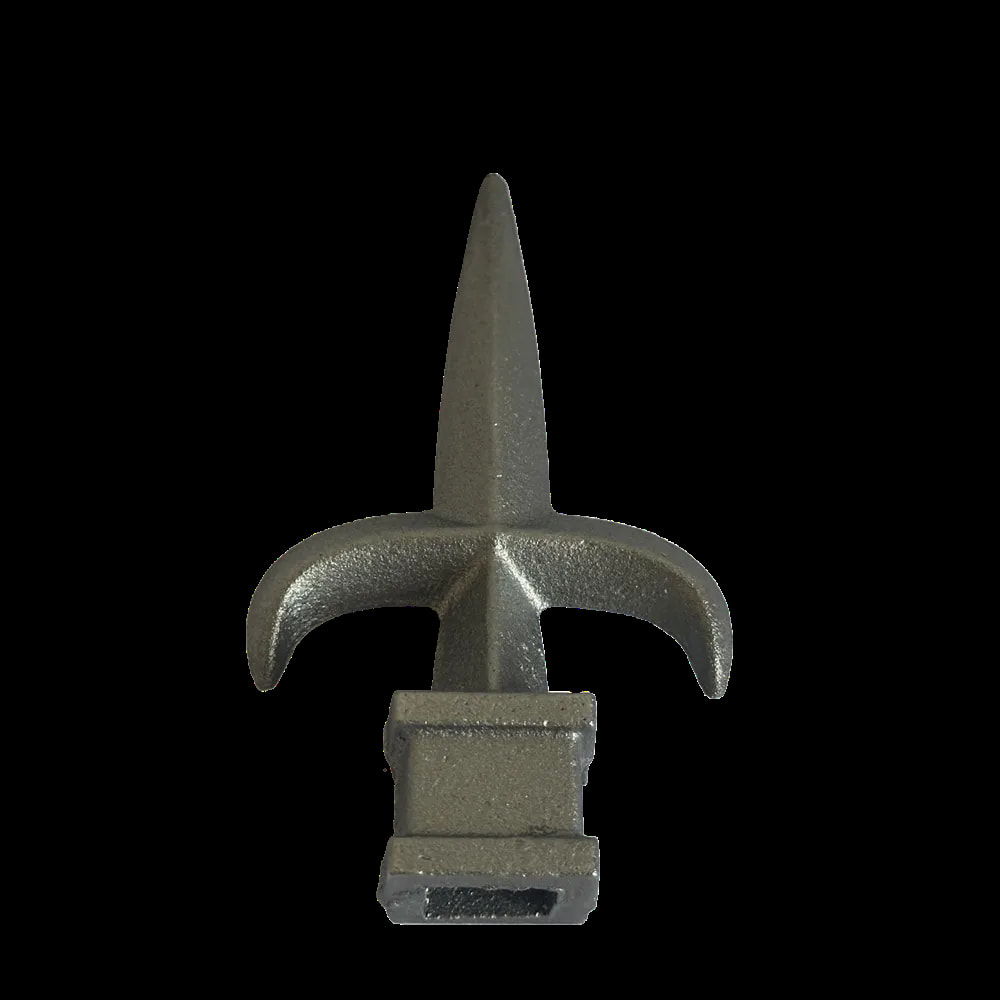
    Installing cast iron fence ornaments requires structural fasteners capable of withstanding immense shear and tensile stress over decades. The integrity of any heavy architectural metal installation is fundamentally dictated by the microscopic tolerances and metallurgical properties of the bolts, screws, and anchors holding it together. In modern structural engineering and perimeter design, the fastener is no longer an afterthought but the most critical variable in the lifecycle of an installation.

    The Engineering Challenges of Heavy Metal Assembly

    When working with dense materials like cast iron and high-grade steel, the sheer weight of the components introduces significant kinetic and static loads. Wind shear, ground shifting, and thermal expansion all exert constant force on the joints. If the fasteners selected are not rated for these specific dynamic environments, even the most robust structures will experience joint fatigue, leading to sagging, micro-fractures, and eventual catastrophic failure.

    Furthermore, exterior installations are exposed to fluctuating temperatures. Metals expand and contract at different rates depending on their thermal coefficients. High-quality fasteners must possess a certain degree of ductility to absorb this micromovement without snapping, while maintaining enough rigidity to keep heavy architectural panels perfectly aligned.

    Corrosion Resistance: The Bimetallic Dilemma

    One of the most pervasive issues in exterior metalwork is galvanic corrosion. This occurs when two dissimilar metals are in physical contact in the presence of an electrolyte, such as rainwater or coastal humidity. For instance, using a standard zinc-plated carbon steel bolt on a wrought iron structure will often accelerate the degradation of the fastener.

    To combat this, structural engineers and advanced suppliers highly recommend the use of 304 or 316-grade stainless steel fasteners, or those treated with advanced fluoropolymer coatings. Hot-dip galvanization is another industry-standard solution, creating a thick zinc patina that acts as a sacrificial anode, thereby extending the lifespan of both the fastener and the surrounding structural metal by decades.

    Load Distribution and Tensile Strength

    To ensure a flawless installation, one must calculate the exact load-bearing requirements. High-tensile fasteners, often graded at 8.8 or 10.9 in metric standards, are heavily relied upon. These components undergo rigorous heat treatments to alter their crystalline structure, maximizing yield strength.

    • Shear Strength: The ability to withstand forces pushing in opposite directions parallel to the fastener's cross-section.

    • Tensile Strength: The maximum stress a fastener can withstand while being stretched before failing.

    • Torque Specs: Utilizing calibrated torque wrenches to ensure bolts are not over-tightened, which can strip threads or induce premature stress fractures.

    Synergy Between Fasteners and Architectural Components

    The practical application of these high-grade fasteners is best observed in the assembly of premium wrought iron components and large-scale gate systems. High-quality providers design these architectural features with pre-machined tolerance slots that specifically accommodate the natural expansion of the metal, relying on specialized carriage bolts and locking nuts to maintain security without restricting necessary micromovement.

    Ultimately, a perimeter gate or fence is only as strong as its weakest joint. By sourcing industrial-grade fasteners that perfectly match the metallurgical profile of the architectural metals, project managers can ensure that their installations offer uncompromising security, enduring structural integrity, and timeless aesthetic appeal.


  • ​Material Resilience in Urban Infrastructure: Fasteners, Castings, and Fluid Dynamics

    7_17229384593281.png

    According to elite check valves suppliers, modern urban infrastructure is facing unprecedented stress from rapid urbanization and extreme weather events. The resilience of municipal systems—ranging from subterranean fluid networks to surface-level utility grids—depends entirely on the material science behind industrial castings and hardware. Understanding how advanced fastening systems integrate with heavy-duty cast components is crucial for preventing catastrophic municipal failures.

    The Evolution of Urban Structural Requirements

    Historically, municipal grids were designed for significantly lower traffic volumes and lesser fluid demands. Today, the sheer weight of commercial transport vehicles and the vast volumes of municipal water and wastewater require a complete overhaul of subsurface engineering. Upgrading these systems necessitates the deployment of materials capable of enduring decades of cyclic loading, vibration, and chemical exposure.

    The focus has shifted towards high-strength composite materials and advanced metallurgy. Ductile iron has emerged as the definitive material for these upgrades. By modifying the graphite structure at a microscopic level, metallurgists have created a cast iron that acts more like steel, offering the ductility required to absorb impacts without fracturing, which is vital for long-term structural integrity.

    The Mechanics of Fluid Backflow Prevention

    A critical vulnerability in urban infrastructure is the management of fluid dynamics, particularly the prevention of hazardous backflow in wastewater and chemical systems. When fluid flows reverse due to pressure differentials, it can cause severe flooding, environmental contamination, and damage to pumping stations.

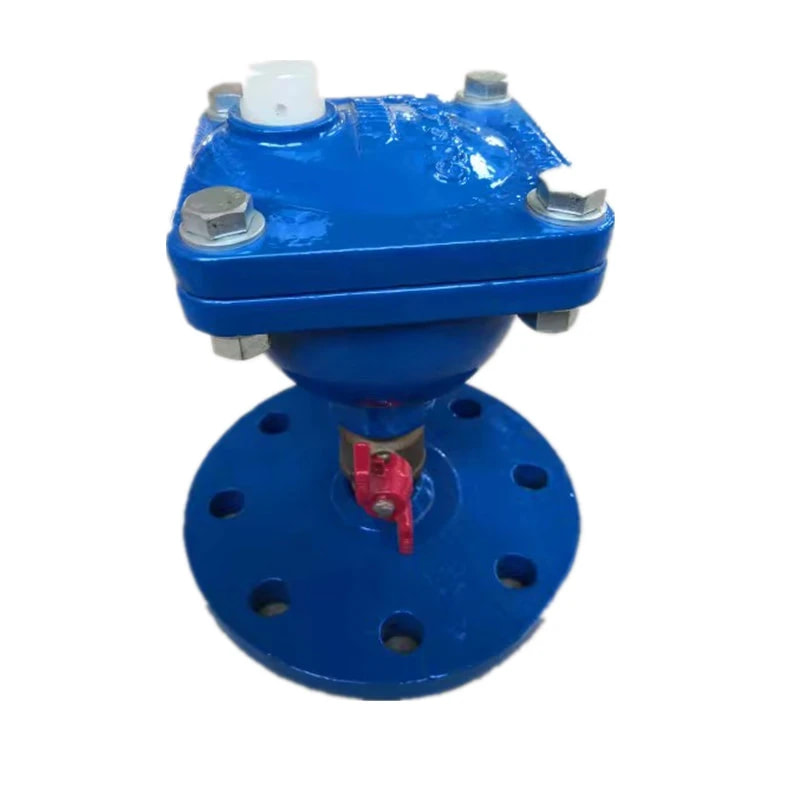
    Addressing this requires the installation of precision-engineered flow control mechanisms. These internal systems rely heavily on precision castings and robust fastening solutions to maintain watertight seals under intense pressure. The internal hinges, flappers, and body castings of these fluid control devices must be manufactured to exact tolerances. High-grade fasteners are utilized to secure the bonnets and flanges, ensuring that the system remains sealed even when subjected to unexpected hydraulic shocks or water hammer effects.

    High-Load Access Points and Fastener Security

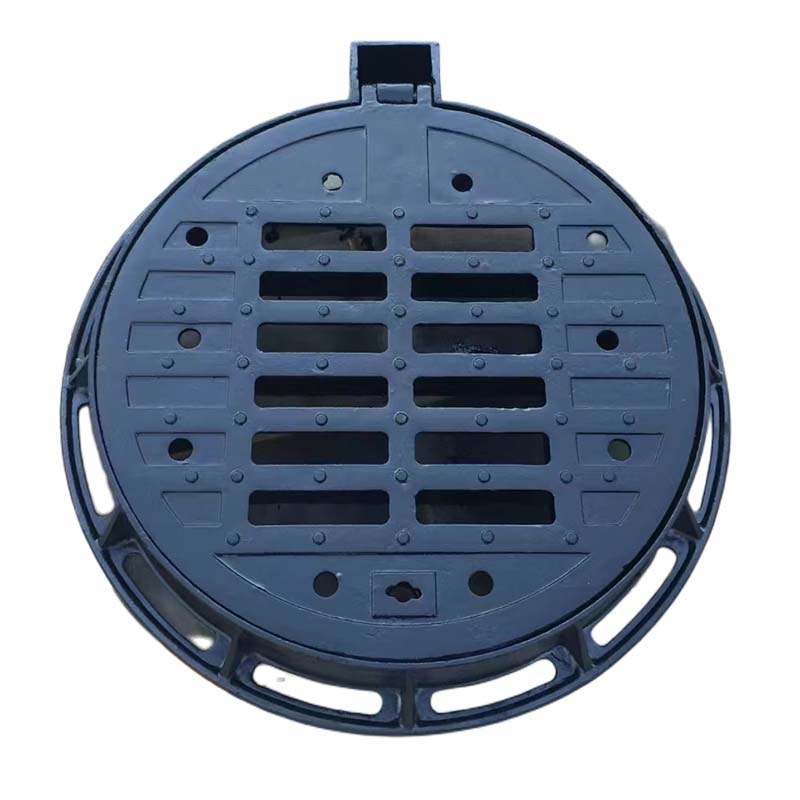
    Another major aspect of urban resilience is the safety of surface access points. As city planners seek highly durable industrial manhole covers for sale, the criteria have expanded beyond mere weight capacity. Modern specifications, such as EN 124 Class D400 and F900, dictate rigorous standards for load-bearing and surface traction.

    To ensure pedestrian and vehicular safety, premium access covers feature a raised diamond tread pattern that provides multi-directional grip, drastically reducing slip hazards in wet conditions. Furthermore, in high-traffic zones, these massive ductile iron covers are often secured to their frames using heavy-duty locking fasteners. This fastening integration prevents unauthorized access to critical city utilities while ensuring the cover remains completely stationary under the immense dynamic forces generated by passing trucks.

    Standardizing Safety Protocols with Premium Components

    The integration of premium castings and industrial hardware must follow strict standardization. A mismatched flange or a low-grade bolt can compromise an otherwise flawless pipeline or utility trench. Therefore, rigorous load testing, dimensional checks, and material certifications are paramount. Advanced suppliers implement thorough quality assurance protocols, utilizing ultrasonic and X-ray testing to detect internal casting flaws, ensuring that every piece of iron and every fastener meets the exact safety margins required by municipal engineers.

    The Future of Infrastructure Sourcing

    As cities continue to expand and modernize, the demand for integrated, resilient infrastructure solutions will only grow. The symbiotic relationship between robust fastening hardware and premium metal castings forms the foundation of this future. By prioritizing high-quality material science—from the bolts securing a pipe fitting to the ductile iron protecting an underground grid—urban planners and industrial engineers can build safer, more sustainable cities capable of weathering the challenges of tomorrow.


  • Material Science in Modular Assembly: Overcoming Vibration and Corrosion

    Structural Integrity in Assembly

    When furniture fasteners lack proper load distribution, the structural integrity of modular assemblies is rapidly compromised. While small-scale furniture assembly highlights the need to prevent surface damage, heavy industrial assembly amplifies this requirement exponentially. In environments subject to constant vibration—such as automotive frames or outdoor racking systems—standard hex nuts often fail because they concentrate clamping force into a small area, causing surface deformation and eventual loosening. The engineering solution lies in utilizing specialized hardware featuring an integrated flange, which vastly increases the bearing surface area and preserves the integrity of the workpiece.

    Advanced Coating Technologies for Longevity

    Mechanical design is only half the equation; chemical resistance is equally vital. Outdoor exposure subjects carbon steel to rapid oxidation, making surface treatments non-negotiable. For coastal or marine environments, Hot-Dip Galvanizing (HDG) provides a robust zinc layer capable of enduring thousands of hours of salt spray testing. In highly corrosive or agricultural settings, advanced Zinc-Magnesium-Aluminum (ZAM) alloy coatings are deployed. Proper application of these coatings ensures that components manufactured from Q235B or high-tensile Q355B steel maintain their strength for decades without premature brittle fracture.

    Industrial Collar Nut Guide for Precision and Stability

    Navigating Global Hardware Procurement

    Securing the right metallurgical composition and surface treatment requires a strategic approach to procurement. Relying on a premium self tapping screw exporter ensures that engineers have access to thoroughly tested, internationally compliant hardware. An advanced supplier understands the critical nuances of preventing issues like hydrogen embrittlement through proper post-galvanizing baking processes. By integrating superior components into their workflows, assembly plants and construction firms can significantly reduce maintenance overhead and guarantee the long-term safety of their installations.

  • Optimizing Structural Joint Integrity in High-Vibration Industrial Assemblies

    Modern flange bolt engineering defines the stability of high-vibration industrial structures, where mechanical connections are constantly subjected to dynamic cyclic loads.

    In heavy equipment manufacturing and structural steel fabrication, joint failure rarely stems from a single sudden overload. Instead, micro-movements, fastener self-loosening, and localized fatigue stress gradually degrade joint clamping force over time. To address these vulnerabilities, engineering teams are increasingly shifting toward integrated torque-distribution solutions and high-grade metallurgical treatments.

    4.png

    Metallurgical Standards and Stress Distribution in Heavy Machinery

    When two structural members are bolted together, the primary objective is maintaining a constant clamping force that exceeds external tension and shear forces. Standard hex bolts often rely on separate flat or lock washers to distribute load across softer mating surfaces. However, multi-piece assemblies introduce multiple friction interfaces, which can increase the likelihood of assembly errors and washer deformation under high torque.

    Integrated flange designs overcome this limitation by incorporating a broad circular base directly beneath the bolt head. Mathematically, expanding the bearing surface area lowers unit surface pressure, preventing localized sink-in on materials like aluminum alloys or structural carbon steels. This unified design creates a stable friction plane that resists rotational loosening under high dynamic excitation.

    Mitigating Joint Fatigue with Advanced Spheroidizing Annealing

    Beyond external geometry, internal grain structure dictates how fasteners tolerate continuous strain. During cold-forging, high-strength carbon and alloy steels undergo work hardening, which increases tensile strength but can induce internal shear stresses if not properly heat-treated.

    Implementing precision spheroidizing annealing prior to cold-heading optimizes carbide morphology within the steel matrix. This process alters lamellar cementite into spherical particles, significantly improving ductility and cold-formability while ensuring uniform hardness distribution throughout the finished core. When paired with threaded rod specifications like din975 in tension-heavy structural frameworks, spheroidized and heat-treated components demonstrate superior toughness and elevated fatigue limits.

    Supply Chain Optimization for High-Strength Fastening Systems

    Ensuring joint reliability in large-scale infrastructure and industrial equipment requires absolute consistency in manufacturing tolerances. Leading industrial projects increasingly rely on automated cold-forging multi-station machinery and integrated heat treatment lines capable of producing Grade 8.8, 10.9, and 12.9 fasteners with exact thread concentricity.

    Partnering with a premium manufacturer equipped with advanced testing facilities—including magnetic particle inspection, salt spray chambers, and tensile testing apparatus—allows procurement specialists to eliminate defect variance. By securing fully certified high-strength hardware from an advanced supplier, engineering managers reduce lifelong maintenance cycles, lower total cost of ownership, and guarantee structural safety across demanding global applications.

  • Optimizing Mechanical Assemblies: Fastening Integrity and Material Selection

    Sourcing high-durability mechanical hardware parts requires a comprehensive understanding of joint dynamics and fastener preload forces. In automated machinery and heavy equipment, structural fasteners do not work in isolation; they secure critical components like shaft bushings, motor bases, and bearing houses. When high-vibration equipment operates continuously, improper material compatibility or tolerance mismatches between the bolt and the mating component can lead to micro-fretting, torque loss, and sudden mechanical failure.

    Vibration Mitigation and Load Distribution in Heavy Drives

    High-speed industrial drives undergo intense rotational dynamics during start-stop cycles. Standard threaded connections often experience vibrational loosening unless paired with properly engineered mounting interfaces, such as taper bushings or slotted motor bases. By distributing clamping forces evenly across accurately machined contact surfaces, plant engineers can reduce shear stress on structural bolts and preserve shaft alignment across thousands of operating hours.

    Guide to Selecting High Quality Heavy Machinery Parts

    The Role of Advanced Material Supply in Structural Weight Reduction

    Modern equipment design increasingly demands a lower power-to-weight ratio without sacrificing structural rigidity. Lightweighting moving components reduces rotational inertia, which allows motors to accelerate faster while decreasing the stress exerted on surrounding structural fasteners.

    Achieving this design balance depends on procuring specialized raw extrusions and engineered alloys. Securing raw materials directly from an established aluminium bar factory allows equipment designers to machine custom high-strength pulleys and mounting brackets that drastically reduce overall assembly mass. Partnering with an advanced supplier ensures that every alloy lot meets rigorous dimensional and mechanical standards, guaranteeing optimal structural harmony between fasteners and functional drive components.


Specializing in the production of Screws for 15 years,
products are exported all over the world.

Our Customers

If you are interested in our products, you can choose to leave your information here, and we will be in touch with you shortly.