
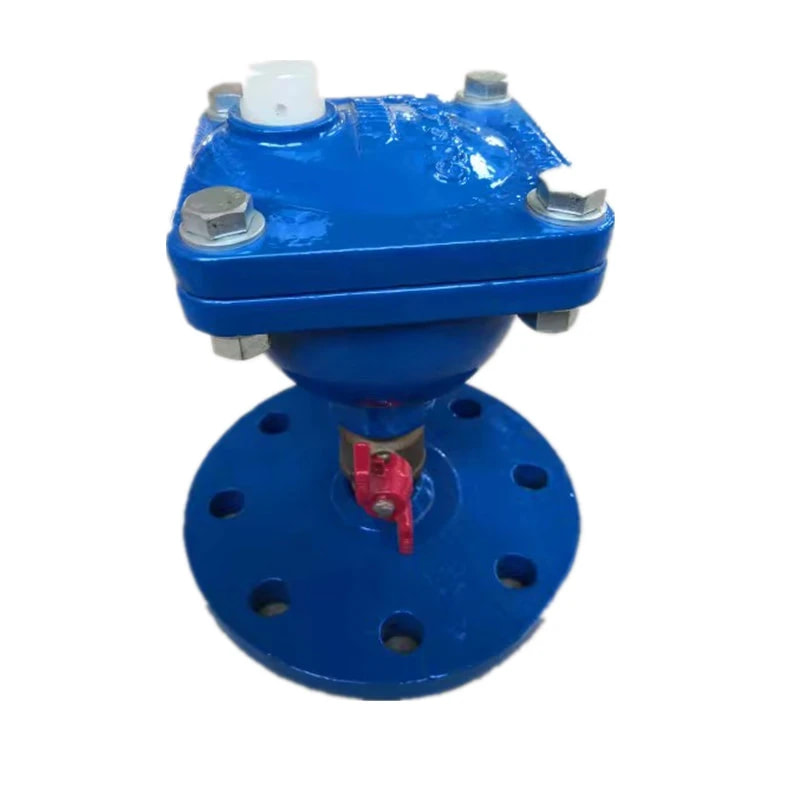
According to elite check valves suppliers, modern urban infrastructure is facing unprecedented stress from rapid urbanization and extreme weather events. The resilience of municipal systems—ranging from subterranean fluid networks to surface-level utility grids—depends entirely on the material science behind industrial castings and hardware. Understanding how advanced fastening systems integrate with heavy-duty cast components is crucial for preventing catastrophic municipal failures.
The Evolution of Urban Structural Requirements
Historically, municipal grids were designed for significantly lower traffic volumes and lesser fluid demands. Today, the sheer weight of commercial transport vehicles and the vast volumes of municipal water and wastewater require a complete overhaul of subsurface engineering. Upgrading these systems necessitates the deployment of materials capable of enduring decades of cyclic loading, vibration, and chemical exposure.
The focus has shifted towards high-strength composite materials and advanced metallurgy. Ductile iron has emerged as the definitive material for these upgrades. By modifying the graphite structure at a microscopic level, metallurgists have created a cast iron that acts more like steel, offering the ductility required to absorb impacts without fracturing, which is vital for long-term structural integrity.
The Mechanics of Fluid Backflow Prevention
A critical vulnerability in urban infrastructure is the management of fluid dynamics, particularly the prevention of hazardous backflow in wastewater and chemical systems. When fluid flows reverse due to pressure differentials, it can cause severe flooding, environmental contamination, and damage to pumping stations.
Addressing this requires the installation of precision-engineered flow control mechanisms. These internal systems rely heavily on precision castings and robust fastening solutions to maintain watertight seals under intense pressure. The internal hinges, flappers, and body castings of these fluid control devices must be manufactured to exact tolerances. High-grade fasteners are utilized to secure the bonnets and flanges, ensuring that the system remains sealed even when subjected to unexpected hydraulic shocks or water hammer effects.
High-Load Access Points and Fastener Security
Another major aspect of urban resilience is the safety of surface access points. As city planners seek highly durable industrial manhole covers for sale, the criteria have expanded beyond mere weight capacity. Modern specifications, such as EN 124 Class D400 and F900, dictate rigorous standards for load-bearing and surface traction.
To ensure pedestrian and vehicular safety, premium access covers feature a raised diamond tread pattern that provides multi-directional grip, drastically reducing slip hazards in wet conditions. Furthermore, in high-traffic zones, these massive ductile iron covers are often secured to their frames using heavy-duty locking fasteners. This fastening integration prevents unauthorized access to critical city utilities while ensuring the cover remains completely stationary under the immense dynamic forces generated by passing trucks.
Standardizing Safety Protocols with Premium Components
The integration of premium castings and industrial hardware must follow strict standardization. A mismatched flange or a low-grade bolt can compromise an otherwise flawless pipeline or utility trench. Therefore, rigorous load testing, dimensional checks, and material certifications are paramount. Advanced suppliers implement thorough quality assurance protocols, utilizing ultrasonic and X-ray testing to detect internal casting flaws, ensuring that every piece of iron and every fastener meets the exact safety margins required by municipal engineers.
The Future of Infrastructure Sourcing
As cities continue to expand and modernize, the demand for integrated, resilient infrastructure solutions will only grow. The symbiotic relationship between robust fastening hardware and premium metal castings forms the foundation of this future. By prioritizing high-quality material science—from the bolts securing a pipe fitting to the ductile iron protecting an underground grid—urban planners and industrial engineers can build safer, more sustainable cities capable of weathering the challenges of tomorrow.