
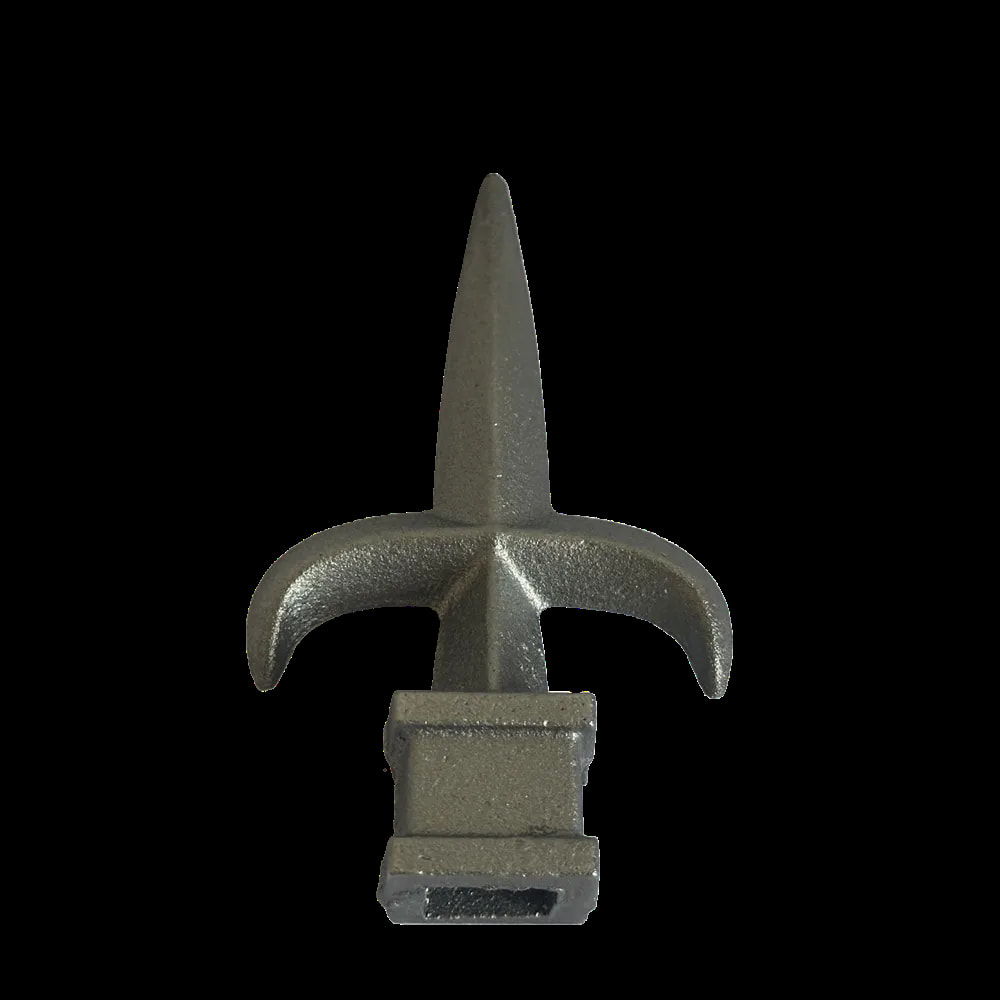
Installing cast iron fence ornaments requires structural fasteners capable of withstanding immense shear and tensile stress over decades. The integrity of any heavy architectural metal installation is fundamentally dictated by the microscopic tolerances and metallurgical properties of the bolts, screws, and anchors holding it together. In modern structural engineering and perimeter design, the fastener is no longer an afterthought but the most critical variable in the lifecycle of an installation.
The Engineering Challenges of Heavy Metal Assembly
When working with dense materials like cast iron and high-grade steel, the sheer weight of the components introduces significant kinetic and static loads. Wind shear, ground shifting, and thermal expansion all exert constant force on the joints. If the fasteners selected are not rated for these specific dynamic environments, even the most robust structures will experience joint fatigue, leading to sagging, micro-fractures, and eventual catastrophic failure.
Furthermore, exterior installations are exposed to fluctuating temperatures. Metals expand and contract at different rates depending on their thermal coefficients. High-quality fasteners must possess a certain degree of ductility to absorb this micromovement without snapping, while maintaining enough rigidity to keep heavy architectural panels perfectly aligned.
Corrosion Resistance: The Bimetallic Dilemma
One of the most pervasive issues in exterior metalwork is galvanic corrosion. This occurs when two dissimilar metals are in physical contact in the presence of an electrolyte, such as rainwater or coastal humidity. For instance, using a standard zinc-plated carbon steel bolt on a wrought iron structure will often accelerate the degradation of the fastener.
To combat this, structural engineers and advanced suppliers highly recommend the use of 304 or 316-grade stainless steel fasteners, or those treated with advanced fluoropolymer coatings. Hot-dip galvanization is another industry-standard solution, creating a thick zinc patina that acts as a sacrificial anode, thereby extending the lifespan of both the fastener and the surrounding structural metal by decades.
Load Distribution and Tensile Strength
To ensure a flawless installation, one must calculate the exact load-bearing requirements. High-tensile fasteners, often graded at 8.8 or 10.9 in metric standards, are heavily relied upon. These components undergo rigorous heat treatments to alter their crystalline structure, maximizing yield strength.
Shear Strength: The ability to withstand forces pushing in opposite directions parallel to the fastener's cross-section.
Tensile Strength: The maximum stress a fastener can withstand while being stretched before failing.
Torque Specs: Utilizing calibrated torque wrenches to ensure bolts are not over-tightened, which can strip threads or induce premature stress fractures.
Synergy Between Fasteners and Architectural Components
The practical application of these high-grade fasteners is best observed in the assembly of premium wrought iron components and large-scale gate systems. High-quality providers design these architectural features with pre-machined tolerance slots that specifically accommodate the natural expansion of the metal, relying on specialized carriage bolts and locking nuts to maintain security without restricting necessary micromovement.
Ultimately, a perimeter gate or fence is only as strong as its weakest joint. By sourcing industrial-grade fasteners that perfectly match the metallurgical profile of the architectural metals, project managers can ensure that their installations offer uncompromising security, enduring structural integrity, and timeless aesthetic appeal.