
High-quality Clutch Pressure Plate components are essential for the seamless operation of heavy-duty transport vehicles. As global supply chains face increasing pressure for speed and efficiency, the mechanical integrity of vehicle drivelines and chassis components becomes a critical factor in minimizing downtime.
The automotive and engineering machinery sectors are currently navigating a shift toward higher load capacities and more rigorous duty cycles. This evolution requires a fundamental reassessment of how casting and machining processes contribute to the overall lifespan of heavy machinery. It is no longer just about the assembly; it is about the microscopic precision of the underlying metal components.
Material Science and Thermal Stability
One of the primary pain points in heavy machinery maintenance is thermal fatigue. Components subjected to constant friction and high torque—such as those found in heavy-duty truck axles and transmission systems—undergo significant thermal expansion and contraction. If the metallurgical composition of a casting is inconsistent, micro-fractures can develop, leading to catastrophic failure.
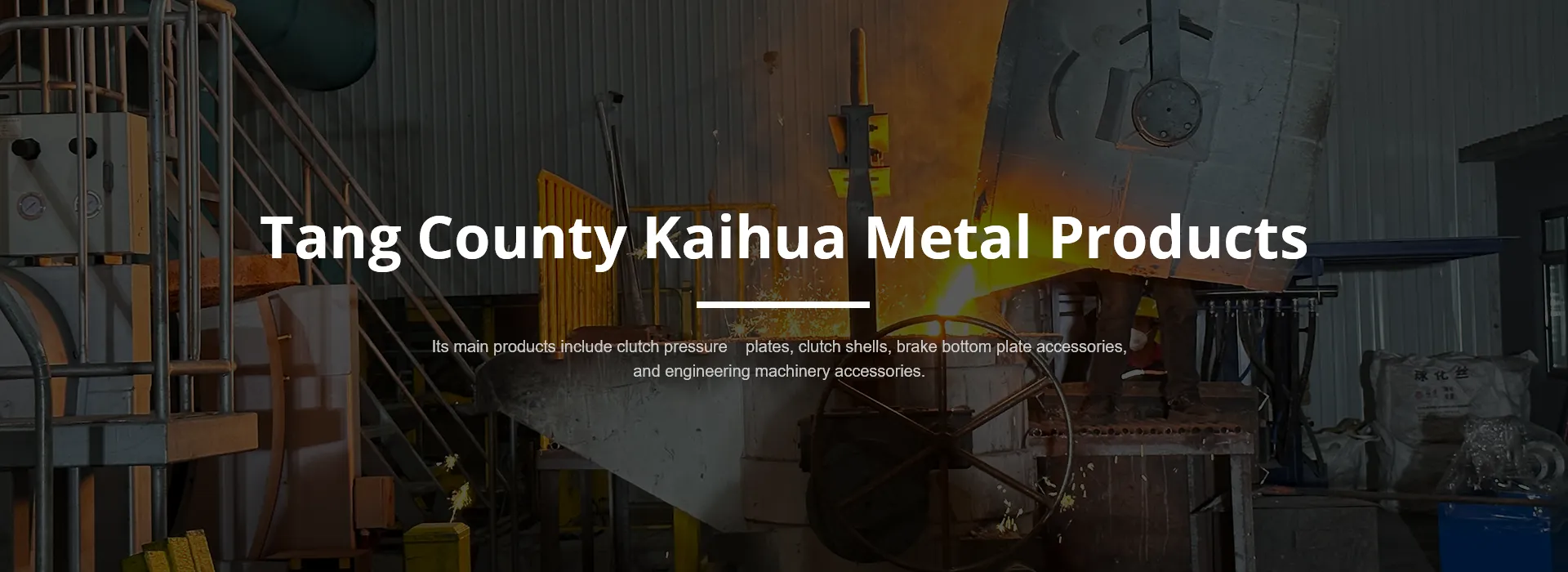
Advanced induction furnace technology has revolutionized how these parts are produced, allowing for more precise temperature control during the molten phase. This precision ensures that the grain structure of the metal is uniform, providing the necessary toughness required for high-stress applications like Axle Thrust Rod Seats and other structural chassis elements.
The Role of Precision Machining in Component Longevity
Beyond the initial casting, the secondary machining phase defines the final tolerance levels of a component. In the context of modern fastener and component manufacturing, the margin for error is shrinking. CNC machining centers must work in harmony with high-quality castings to ensure that interfaces between moving parts are perfectly seated.
Industry Trends to Watch:
- Increased demand for high-tensile alloy castings in construction machinery.
- Automation in pouring and molding to reduce human-induced structural defects.
- Integration of strict IATF16949 quality standards across the entire supply chain.
Strengthening the Global Supply Chain
As logistics companies expand into emerging markets in Africa, Southeast Asia, and Europe, the demand for reliable replacement parts is surging. The stability of this market relies on manufacturers who can balance large-scale production capacities with rigorous quality management. When the underlying supply chain—from the raw sand mixing to the final CNC lathe processing—is robust, the entire transportation ecosystem becomes more resilient.
Ultimately, the durability of the modern heavy-duty vehicle is a testament to the synergy between metallurgical engineering and precision manufacturing. By focusing on high-end equipment components and continuous process improvement, the industry ensures that the machinery driving the global economy remains operational under the most demanding conditions.