
Introduction
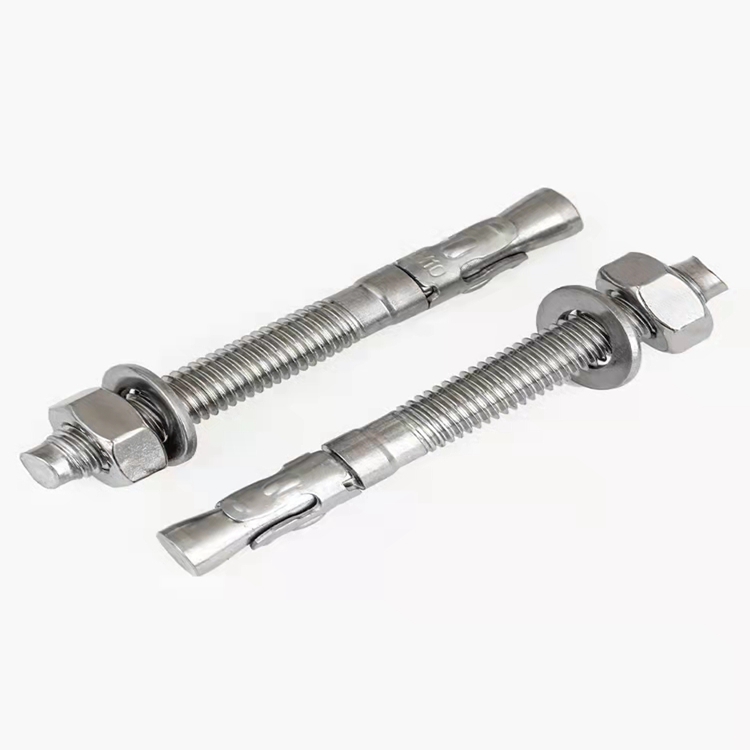
High strength stud bolts are externally threaded fasteners, typically without a nut, designed for high-stress applications requiring robust joint integrity. Positioned critically within the industrial fastening chain, they represent a key component in pressure vessel assembly, structural steelwork, and critical machinery. These bolts are predominantly used in situations demanding high clamping forces and resistance to loosening, often exceeding the capabilities of conventional fasteners. Their core performance characteristics revolve around tensile strength, yield strength, fatigue resistance, and resistance to various forms of corrosion. A primary industry pain point centers around ensuring consistent material quality and heat treatment to achieve specified mechanical properties, alongside concerns regarding thread integrity and the prevention of galling during installation.
Material Science & Manufacturing
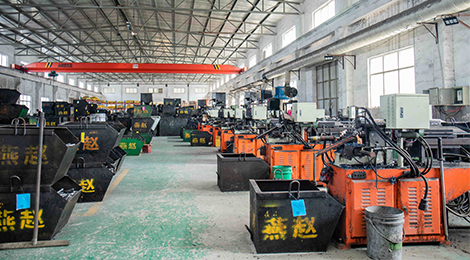
High strength stud bolts are commonly manufactured from alloy steels, primarily conforming to standards like ASTM A193 Grade B7, A193 Grade B7M, A193 Grade B8, A193 Grade B8M, and A320 Grade L7. The steel composition typically includes chromium, molybdenum, and nickel, enhancing hardenability, toughness, and corrosion resistance. Raw material properties, including chemical composition and grain structure, are meticulously controlled. Manufacturing begins with hot forging or cold heading to create the bolt’s shape, followed by heat treatment – a critical stage involving austenitizing, quenching, and tempering. Precise temperature control during quenching is paramount to achieve the desired martensitic microstructure, which provides high strength. Tempering reduces brittleness and enhances ductility. Thread rolling, a cold forming process, is used to create the threads, improving thread strength and surface finish compared to machining. Key parameter control includes maintaining precise forging temperatures, quenching medium composition and temperature, tempering times and temperatures, and thread rolling force. Hydrogen embrittlement, a common issue during quenching, is mitigated through baking processes post-heat treatment. Material verification through chemical analysis and mechanical testing (tensile strength, yield strength, hardness, and impact toughness) is essential.
Performance & Engineering
The performance of high strength stud bolts is governed by several engineering principles. Force analysis focuses on calculating the bolt’s tensile stress under applied load, ensuring it remains within acceptable limits based on its yield and tensile strengths. Preload, the initial tension applied to the bolt during tightening, is crucial for maintaining joint integrity and preventing loosening. The prevailing torque method, or more accurately, the torque-angle method, is employed to achieve the desired preload. Environmental resistance is a significant concern, especially in corrosive environments. Coatings like zinc plating, hot-dip galvanizing, or specialized polymer coatings are applied to enhance corrosion protection. Compliance requirements are stringent, dictated by industry standards and application-specific regulations. For example, pressure vessel applications adhere to ASME Boiler and Pressure Vessel Code Section VIII, Division 1, while structural steelwork applications follow AISC specifications. Fatigue resistance is critical in dynamically loaded applications; the bolt’s endurance limit must exceed the maximum cyclic stress experienced during service. Consideration is given to stress concentration factors at the thread root and underhead region. Finite element analysis (FEA) is often used to optimize bolt geometry and predict performance under complex loading conditions. Creep, the tendency of a solid material to deform permanently under sustained stress, is also considered in high-temperature applications.
Technical Specifications
| Grade | Tensile Strength (MPa) | Yield Strength (MPa) | Hardness (HRC) |
|---|---|---|---|
| A193 B7 | 690 - 827 | 414 - 552 | 30 - 34 |
| A193 B7M | 690 - 827 | 414 - 552 | 30 - 34 |
| A193 B8 | 860 - 1034 | 552 - 690 | 32 - 38 |
| A193 B8M | 860 - 1034 | 552 - 690 | 32 - 38 |
| A320 L7 | 830 - 965 | 517 - 655 | 32-38 |
| ISO 8.8 | 800 | 600 | 32-38 |
Failure Mode & Maintenance
High strength stud bolts are susceptible to several failure modes. Fatigue cracking is common in cyclically loaded applications, initiating at stress concentration points like the thread root. Hydrogen embrittlement can lead to brittle fracture, particularly in high-strength steels exposed to hydrogen-containing environments. Thread stripping can occur due to excessive tightening torque or improper thread engagement. Galling, a form of adhesive wear, can occur during installation, especially if lubrication is inadequate. Corrosion, particularly pitting corrosion, can weaken the bolt and initiate cracks. Corrosion fatigue accelerates fatigue crack growth in corrosive environments. Maintenance involves regular visual inspections for signs of corrosion, damage, or loosening. Torque checks should be performed periodically to ensure preload is maintained. Lubrication of threads during installation is crucial. If corrosion is detected, bolts should be replaced. For critical applications, non-destructive testing methods like magnetic particle inspection or ultrasonic testing can be used to detect subsurface cracks. Replacement bolts must conform to the original specifications and be properly heat treated and inspected. Proper storage is essential to prevent corrosion; bolts should be protected from moisture and contaminants.
Industry FAQ
Q: What is the significance of material traceability for high strength stud bolts in critical applications?
A: Material traceability is paramount. It ensures that each bolt can be linked back to its original raw material source, heat treatment batch, and manufacturing process. This is crucial for verifying material properties, identifying potential defects, and ensuring compliance with industry standards. Full traceability allows for effective root cause analysis in the event of a failure.
Q: How does thread form affect the performance and fatigue life of a stud bolt?
A: Thread form significantly impacts performance. A properly designed thread form distributes stress more evenly, reducing stress concentration at the root. Fine threads generally offer higher fatigue strength but are more susceptible to galling. Thread lubricants are essential, especially with fine threads. The thread angle and pitch influence the load-carrying capacity and tightening torque.
Q: What are the best practices for preventing hydrogen embrittlement in high-strength bolts?
A: Preventing hydrogen embrittlement involves careful control of the manufacturing process. Minimizing exposure to hydrogen during pickling, electroplating, and welding is critical. Baking (hydrogen outgassing) after heat treatment and coating processes is essential to remove absorbed hydrogen. Using appropriate coatings and avoiding harsh cleaning agents can also help.
Q: What is the role of preload in preventing joint separation and fatigue failure?
A: Preload is critical. It creates a clamping force that holds the joint components together, preventing separation and reducing the stress range experienced by the bolt under cyclic loading. Proper preload significantly enhances fatigue life and prevents loosening due to vibration or thermal cycling. Insufficient preload can lead to joint separation, while excessive preload can cause bolt failure.
Q: How do different coating types compare in terms of corrosion protection for stud bolts?
A: Zinc plating offers basic corrosion protection and is cost-effective. Hot-dip galvanizing provides superior corrosion resistance, particularly in harsh environments. Polymer coatings (e.g., PTFE, Xylan) offer excellent corrosion resistance and low friction, minimizing galling. The choice of coating depends on the specific application and the severity of the corrosive environment.
Conclusion
High strength stud bolts represent a sophisticated fastening solution, demanding a thorough understanding of material science, manufacturing processes, and engineering principles. Achieving optimal performance relies on meticulous quality control throughout the entire production chain, from raw material selection to final inspection. Addressing the industry’s core pain points – ensuring consistent material properties, preventing failures due to corrosion and fatigue, and maintaining accurate preload – is crucial for ensuring long-term joint integrity and safety.
Looking forward, advancements in non-destructive testing, coating technologies, and fastener design will continue to enhance the performance and reliability of high strength stud bolts. Continued research into hydrogen embrittlement mitigation strategies and the development of more robust thread forms will further improve the longevity and safety of critical bolted joints. The increasing demand for lighter and stronger materials will drive the development of new alloy steels and manufacturing processes for these vital components.