
Introduction
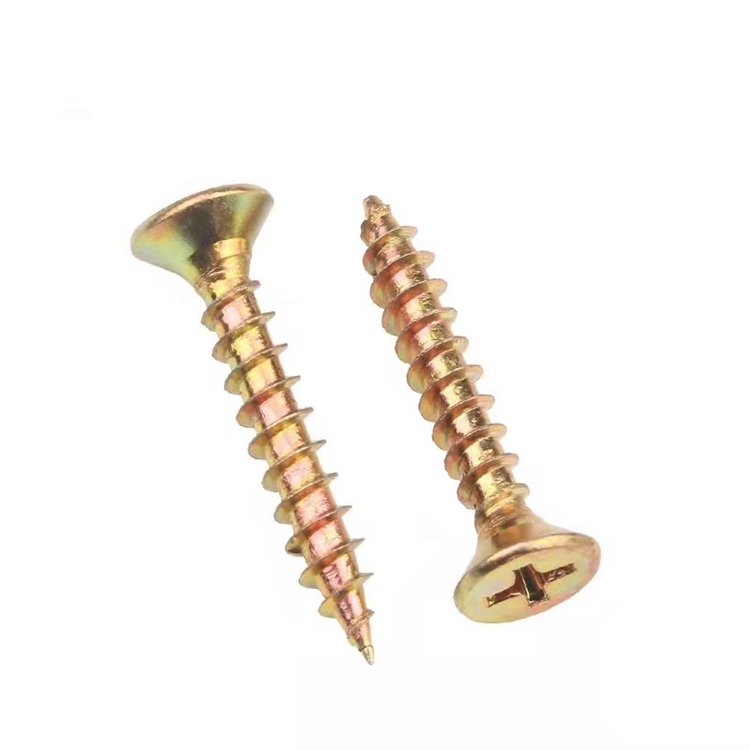
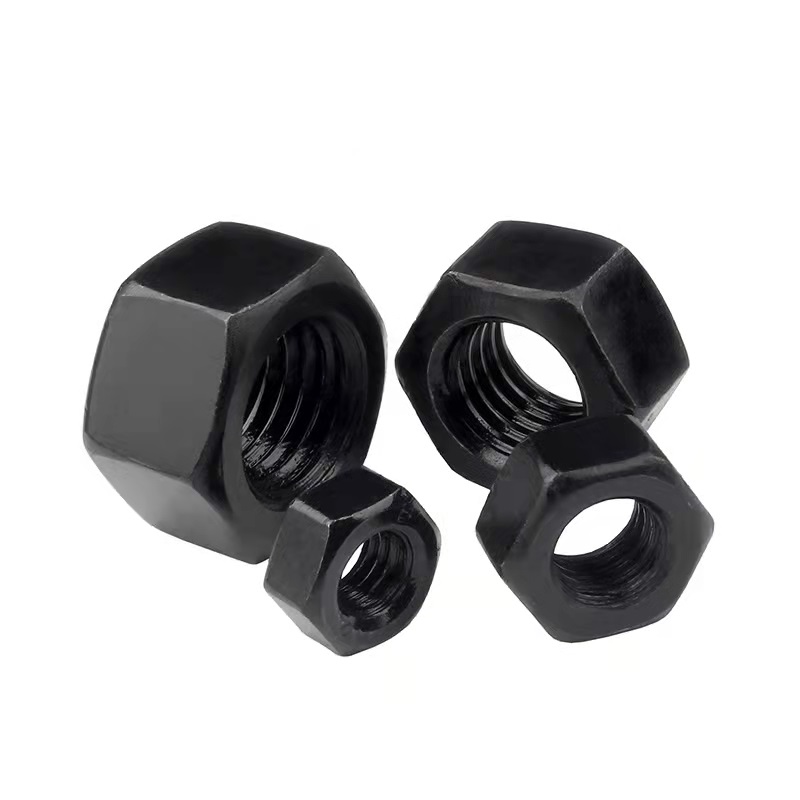
Black oxide stud bolts are a critical fastening component employed across numerous industrial sectors, including automotive, aerospace, construction, and machinery. These fasteners, characterized by their threaded portion and smooth shank, provide robust clamping force and are distinguished by their black oxide coating. This coating, achieved through a chemical conversion process, imparts mild corrosion resistance, enhances lubricity, and minimizes light reflection – a key benefit in certain optical applications. Within the industrial chain, stud bolts typically follow a process of material sourcing (steel billet), forging, machining, threading, heat treatment, and finally, the black oxide coating. Their performance is primarily assessed based on tensile strength, yield strength, hardness, and corrosion resistance, all crucial parameters for ensuring structural integrity and longevity in demanding environments. A core industry pain point is maintaining consistent coating thickness and adhesion, as inconsistencies lead to localized corrosion and premature failure, particularly in high-stress applications. Furthermore, the environmental impact of the black oxide process, specifically wastewater treatment, is an increasing concern driving demand for more sustainable coating solutions.
Material Science & Manufacturing
The primary material for black oxide stud bolts is medium-carbon steel, typically AISI 1045, 10B21, or 4140, selected for their balance of strength, ductility, and machinability. The chemical composition dictates the hardenability and overall mechanical properties. The manufacturing process begins with hot forging, shaping the steel billet into the approximate bolt form. This forging process establishes the grain structure, influencing the final strength and fatigue resistance. Following forging, a precise machining process defines the threaded section and shank diameter to meet exacting dimensional tolerances. Thread rolling is preferred over thread cutting, as it maintains the grain flow, enhancing thread strength. A critical step is heat treatment, involving austenitizing, quenching, and tempering. Austenitizing refines the grain structure, while quenching hardens the steel. Tempering reduces brittleness and achieves the desired hardness level (typically Rockwell C 30-40). The black oxide process itself involves immersing the cleaned and prepared bolts in a solution of ferrous oxide and a reducing agent, forming a magnetite (Fe3O4) coating. Parameter control during the black oxide process is paramount: solution concentration, temperature (88-99°C), and immersion time (10-30 minutes) directly impact coating thickness and adhesion. Post-treatment often includes oil impregnation to further enhance corrosion resistance and lubricity. Failure to control these parameters can result in uneven coatings, poor adhesion, and compromised corrosion protection.
Performance & Engineering
The performance of black oxide stud bolts is fundamentally governed by mechanical stress analysis and environmental resistance. Force analysis considers tensile loading, shear stress, and prevailing torque. Tensile strength, typically ranging from 800-1000 MPa depending on the steel grade, determines the bolt’s ability to resist breaking under tension. Yield strength, around 600-800 MPa, indicates the point at which permanent deformation begins. Engineering calculations must incorporate safety factors to account for dynamic loading, vibration, and temperature fluctuations. Environmental resistance focuses on corrosion protection, which, while improved by the black oxide coating, remains limited. Black oxide provides a barrier against mild corrosion in non-aggressive environments; however, in marine or chemically harsh settings, supplemental coatings like zinc or PTFE are often required. Compliance requirements are dictated by industry-specific standards like ASME, ASTM, and DIN. These standards specify material grades, dimensional tolerances, mechanical properties, and coating specifications. For example, ASME B16.5 governs flange bolting, including stud bolts, and dictates permissible bolt loads and stress limitations. The functional implementation requires accurate torque control during assembly to ensure proper clamping force without exceeding the bolt’s yield strength. Proper tightening procedures, utilizing calibrated torque wrenches, are essential to prevent bolt failure or joint loosening.
Technical Specifications
| Material Grade | Tensile Strength (MPa) | Yield Strength (MPa) | Hardness (Rockwell C) |
|---|---|---|---|
| AISI 1045 | 830-965 | 570-700 | 30-40 |
| 10B21 | 760-896 | 517-655 | 28-38 |
| 4140 | 930-1100 | 690-860 | 32-45 |
| Coating Thickness (µm) | 0.5 - 2.5 | N/A | N/A |
| Salt Spray Resistance (Hours) | 24-72 | N/A | N/A |
| Hydrogen Embrittlement Resistance | Compliant with ASTM F898 | N/A | N/A |
Failure Mode & Maintenance
Black oxide stud bolts are susceptible to several failure modes. Fatigue cracking, initiated by cyclic loading, occurs at stress concentrations, particularly at the thread roots. Corrosion, despite the black oxide coating, can lead to pitting and gradual material loss, weakening the bolt. Hydrogen embrittlement, a concern especially with high-strength steels, occurs when hydrogen atoms diffuse into the metal lattice, reducing ductility and promoting brittle fracture. Delamination of the black oxide coating, caused by poor adhesion or improper surface preparation, exposes the underlying steel to corrosion. Oxidation at elevated temperatures can alter the coating’s composition and diminish its protective properties. Preventive maintenance involves regular inspection for signs of corrosion, cracks, or coating damage. Torque checks should be performed periodically to ensure proper clamping force. Lubrication with a compatible oil or grease reduces friction and prevents galling during disassembly and reassembly. In the event of detected flaws, immediate replacement is critical. For applications in corrosive environments, consider supplemental coatings or materials with enhanced corrosion resistance. Periodic re-coating can extend the service life of the bolts, but requires thorough cleaning and preparation to ensure proper adhesion. Proper storage in a dry environment prevents premature corrosion during periods of inactivity.
Industry FAQ
Q: What is the primary limitation of black oxide coating in highly corrosive environments?
A: The primary limitation is its relatively low corrosion resistance compared to other coatings like zinc plating or hot-dip galvanizing. Black oxide primarily provides a barrier against mild corrosion, and its protective layer is relatively thin and porous. In environments with high chloride concentrations or exposure to acidic/alkaline chemicals, the coating can be quickly compromised, leading to rapid corrosion of the underlying steel.
Q: How does heat treatment affect the performance of a black oxide stud bolt?
A: Heat treatment significantly influences the mechanical properties of the bolt. Proper austenitizing, quenching, and tempering are crucial for achieving the desired hardness, tensile strength, and ductility. Incorrect heat treatment can lead to excessive brittleness, reduced strength, or residual stresses that promote premature failure. The heat treatment process must be carefully controlled and documented to ensure consistent performance.
Q: Is black oxide coating compatible with all lubricants?
A: No, compatibility with lubricants is an important consideration. Certain lubricants can react with the black oxide coating, potentially causing it to degrade or lose its protective properties. Petroleum-based lubricants are generally compatible, but synthetic lubricants should be evaluated for their chemical compatibility with magnetite (Fe3O4). Always consult lubricant specifications and coating manufacturer recommendations.
Q: What is the role of surface preparation before black oxide coating?
A: Surface preparation is paramount for ensuring proper coating adhesion. The bolt surface must be thoroughly cleaned to remove all traces of oil, grease, dirt, rust, and scale. Common surface preparation methods include degreasing, pickling, and passivation. An improperly prepared surface will result in poor coating adhesion, leading to premature failure and corrosion.
Q: What standards govern the testing of black oxide coating thickness and corrosion resistance?
A: Coating thickness is typically measured according to ASTM D1188, using a magnetic thickness gauge. Corrosion resistance is commonly assessed using salt spray testing (ASTM B117), which measures the time it takes for corrosion to appear on the coated surface. Other relevant standards include ASTM F898 for hydrogen embrittlement resistance and ASTM A588 for coating adhesion.
Conclusion
Black oxide stud bolts represent a widely utilized fastening solution offering a balance of strength, corrosion resistance, and cost-effectiveness. Their manufacturing process, encompassing forging, machining, heat treatment, and black oxide conversion coating, demands precise parameter control to ensure consistent quality and performance. Understanding the material science, potential failure modes, and relevant industry standards is crucial for selecting and utilizing these fasteners effectively.
Looking forward, advancements in coating technology, such as incorporating nanomaterials into the black oxide process to enhance corrosion resistance and durability, will be key. Further research into environmentally friendly black oxide alternatives, minimizing wastewater generation and utilizing less hazardous chemicals, is also essential to address sustainability concerns. Continued adherence to stringent quality control measures and proper maintenance practices will remain paramount for maximizing the service life and reliability of black oxide stud bolts in diverse industrial applications.