
Introduction
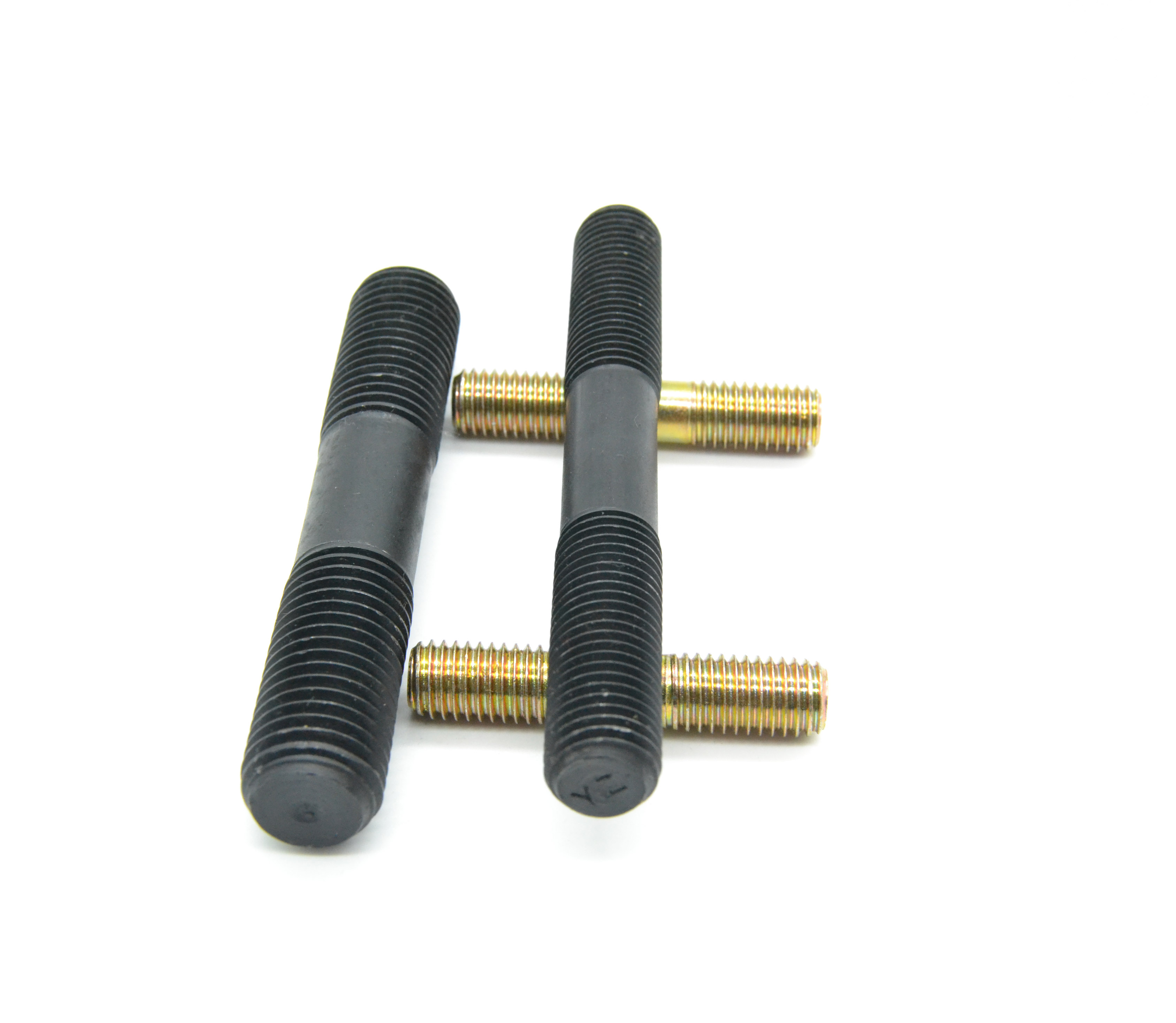
Fine thread hex bolts are externally threaded fasteners characterized by a higher thread count per inch compared to coarse thread bolts. This design is critical in applications requiring high clamping force, precise positioning, and resistance to loosening due to vibration. They are extensively utilized across diverse industrial sectors including aerospace, automotive, medical device manufacturing, and high-precision machinery. The primary function is to securely join materials, typically metals, by converting rotational motion into linear clamping force. Unlike coarser threads, fine threads distribute the load over a larger thread area, enhancing tensile strength and providing finer control over tightening torque. Understanding the nuances of material selection, manufacturing processes, and potential failure modes is paramount for engineers and procurement professionals to ensure optimal performance and longevity of these critical fasteners.
Material Science & Manufacturing
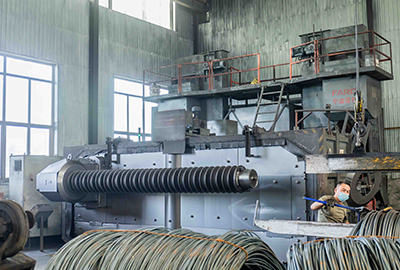
The most common material for fine thread hex bolts is carbon steel, specifically medium carbon steels like AISI 1045, offering a balance of strength, ductility, and cost-effectiveness. Alloy steels, such as 4140 and 4340, are employed in high-stress applications requiring superior tensile strength and toughness. Stainless steels (304, 316) are selected for corrosion resistance in harsh environments. Titanium alloys provide exceptional strength-to-weight ratios for aerospace applications. The manufacturing process typically begins with raw material in the form of wire rod, which undergoes cold heading or hot forging to form the bolt blank. Cold heading is favored for smaller sizes and higher production volumes, offering improved surface finish and mechanical properties through work hardening. Hot forging is used for larger diameter bolts, providing greater formability. Following forming, the bolts are thread rolled, a process which imparts compressive residual stresses, enhancing fatigue life. Heat treatment, including hardening and tempering, is critical to achieve the desired mechanical properties. Finally, a surface coating, such as zinc plating, black oxide, or PTFE, is applied for corrosion protection and to adjust the friction coefficient. Precise control of thread pitch, diameter, and surface finish during thread rolling is essential to ensure proper engagement with mating threads and prevent galling. Chemical composition verification through spectroscopic analysis and mechanical testing (tensile strength, yield strength, hardness) are standard quality control measures.
Performance & Engineering
The performance of a fine thread hex bolt is heavily influenced by several engineering factors. Axial load capacity is directly proportional to the tensile strength of the bolt material and the cross-sectional area of the threaded portion. The fine thread pitch offers increased shear strength compared to coarse threads, making them more resistant to stripping under shear loads. Torque-tension relationship is critical; achieving the correct preload (clamping force) is essential for preventing joint separation and fatigue failure. This preload is determined by the applied torque, thread friction coefficient, and bolt diameter. Finite element analysis (FEA) is frequently used to model the stress distribution within the bolt and mating components under various loading conditions. Environmental factors, such as temperature, humidity, and corrosive media, significantly impact bolt performance. Creep relaxation, the time-dependent loss of preload, can occur at elevated temperatures. Galvanic corrosion can occur when dissimilar metals are in contact in the presence of an electrolyte. Fatigue failure, initiated by cyclic loading, is a common failure mode, particularly in vibrating environments. Proper selection of bolt material, surface coating, and tightening procedure is crucial to mitigate these risks. Compliance with industry standards, such as ASTM A193 for alloy steel bolts and ASTM A307 for carbon steel bolts, ensures consistent quality and performance.
Technical Specifications
| Diameter (inches) | Thread Pitch (inches) | Tensile Strength (psi) | Yield Strength (psi) |
|---|---|---|---|
| 1/4-20 | 0.050 | 120,000 | 90,000 |
| 5/16-24 | 0.0417 | 150,000 | 110,000 |
| 3/8-16 | 0.0625 | 180,000 | 130,000 |
| 1/2-13 | 0.0769 | 200,000 | 150,000 |
| 5/8-11 | 0.0833 | 220,000 | 160,000 |
| 3/4-10 | 0.100 | 240,000 | 170,000 |
Failure Mode & Maintenance
Fine thread hex bolts are susceptible to several failure modes. Fatigue cracking is a common concern, particularly in applications with cyclic loading, initiating at stress concentration points such as the thread root or under the bolt head. Hydrogen embrittlement can occur in high-strength steels exposed to hydrogen-containing environments, leading to brittle fracture. Thread stripping can result from excessive shear loads or improper tightening. Corrosion, particularly galvanic corrosion, can weaken the bolt and lead to failure. Creep relaxation at elevated temperatures reduces clamping force and can cause joint separation. Maintenance involves regular inspection for signs of corrosion, cracking, or deformation. Torque checks should be performed periodically to ensure proper preload. Lubrication of threads can reduce friction and prevent galling. If a bolt shows signs of damage, it should be replaced immediately. Proper storage in a dry environment is essential to prevent corrosion. Using calibrated torque wrenches and following established tightening procedures are crucial preventative measures. When replacing bolts, ensure the new bolt material and grade match the original specifications.
Industry FAQ
Q: What are the primary advantages of using fine thread hex bolts over coarse thread bolts in high-vibration environments?
A: Fine threads offer greater resistance to loosening under vibration due to the increased number of threads engaging with the mating part. The smaller helix angle provides a greater mechanical advantage, requiring more turns to achieve the same axial movement, and thus increasing resistance to self-loosening. Additionally, the larger thread area distributes the load more effectively, enhancing fatigue resistance.
Q: How does the material selection impact the performance of fine thread hex bolts in corrosive environments?
A: Material selection is paramount. Carbon steel bolts are vulnerable to corrosion unless protected by coatings like zinc plating or black oxide. Stainless steel (304, 316) provides significantly improved corrosion resistance, with 316 offering superior resistance to chloride pitting. Titanium alloys are exceptionally resistant to a wide range of corrosive media. Choosing the appropriate material based on the specific environment is crucial for long-term reliability.
Q: What is the significance of the preload achieved during tightening, and how is it accurately controlled?
A: Preload, or clamping force, is critical for maintaining joint integrity and preventing fatigue failure. Insufficient preload can lead to joint separation, while excessive preload can cause bolt yielding or fracture. Preload is accurately controlled by using calibrated torque wrenches and adhering to established torque-tension relationships, considering factors like thread friction coefficient and bolt diameter. Ultrasonic bolt stretch measurement can also be used for precise preload verification.
Q: What are the common causes of thread stripping in fine thread hex bolts, and how can they be prevented?
A: Thread stripping can occur due to excessive shear loads, improper alignment of mating parts, or the use of incompatible materials. Prevention includes selecting bolts with adequate shear strength, ensuring proper alignment during assembly, using thread locking compounds, and avoiding cross-threading. Lubricating the threads can also reduce friction and prevent galling.
Q: What is the role of heat treatment in enhancing the performance of fine thread hex bolts?
A: Heat treatment, specifically hardening and tempering, significantly improves the mechanical properties of the bolt. Hardening increases the tensile strength and hardness, while tempering enhances the ductility and toughness, preventing brittle fracture. The specific heat treatment process is tailored to the bolt material and desired performance characteristics.
Conclusion
Fine thread hex bolts represent a critical fastening solution for applications demanding high clamping force, precise positioning, and resistance to loosening. Their performance is intricately linked to material selection, manufacturing precision, and diligent engineering considerations. Understanding the potential failure modes, such as fatigue cracking, corrosion, and thread stripping, is paramount for ensuring long-term reliability and structural integrity.
Proper maintenance practices, including regular inspections, torque checks, and appropriate storage, further contribute to maximizing bolt lifespan and minimizing the risk of catastrophic failure. Adherence to relevant industry standards and best practices is essential for procurement managers and engineers alike, guaranteeing consistent quality and optimal performance in demanding industrial environments.