
Introduction
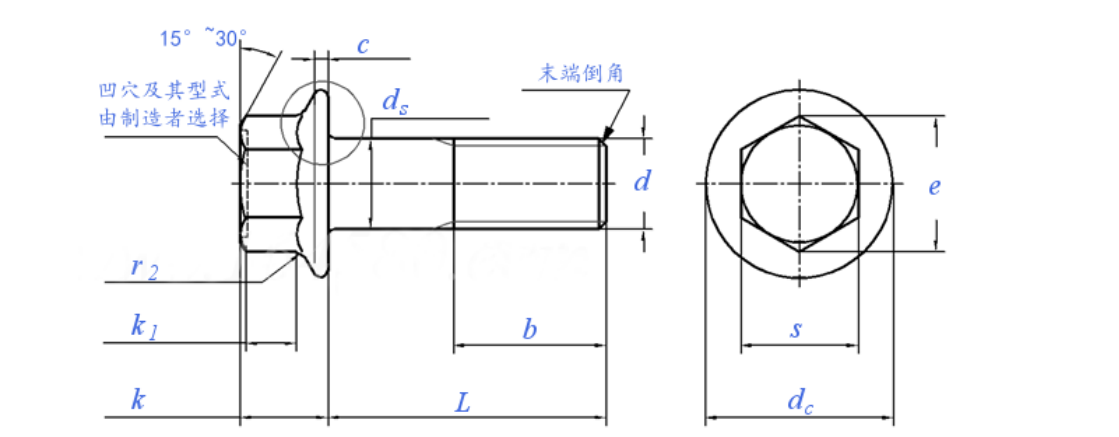
Left-hand threaded hex bolts are fasteners characterized by a reverse thread direction – tightening occurs upon counter-clockwise rotation, unlike standard right-hand threaded fasteners. This seemingly minor deviation has critical applications across various industries, primarily where rotational forces might induce loosening of standard fasteners. Their technical position within the fastening industry chain is as a specialized variant of the ubiquitous hex bolt, demanding precise manufacturing and material specifications. Core performance characteristics revolve around shear strength, tensile strength, torque retention, and resistance to vibrational loosening, differing significantly from their right-hand counterparts due to the altered stress distribution during tightening and operation. These bolts are not interchangeable with standard fasteners, and their selection is predicated on specific engineering requirements to prevent failures resulting from self-loosening or interference with rotating machinery.
Material Science & Manufacturing
The raw materials for left-hand threaded hex bolts are typically carbon steels (e.g., AISI 1045, 4140), alloy steels, or stainless steels (e.g., 304, 316). Carbon steel offers high strength at lower costs, while alloy steels provide increased hardenability and toughness. Stainless steels offer superior corrosion resistance, crucial in harsh environments. Manufacturing begins with cold heading or hot forging of the chosen material, shaping the bolt head and initiating the thread form. The critical step is the thread rolling process. Unlike machining, which removes material, thread rolling displaces it, creating threads with increased fatigue strength due to work hardening. For left-hand threads, specialized die sets are required. Precise control of the die angle, rolling speed, and lubrication is paramount to prevent thread defects like galling or incomplete formation. Subsequent operations include heat treatment (hardening, tempering) to achieve the desired mechanical properties, and surface treatment (zinc plating, black oxide) for corrosion protection. Material composition verification through spectrometer analysis, and non-destructive testing (NDT) via magnetic particle inspection or ultrasonic testing are vital quality control measures. Dimensional accuracy is confirmed using calibrated coordinate measuring machines (CMMs). A key consideration is ensuring consistent thread pitch and minimizing variations in thread form, as these directly affect the bolt’s performance and interchangeability.
Performance & Engineering
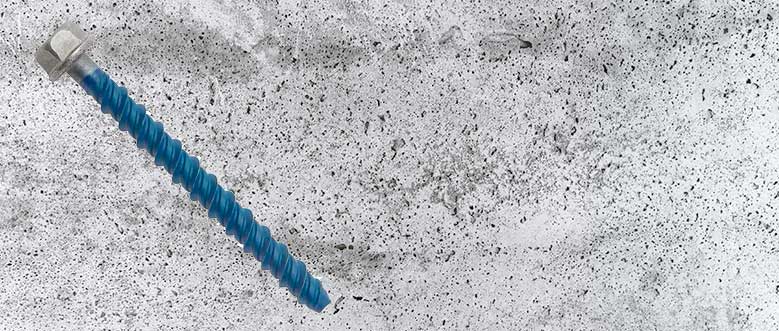
The performance of left-hand threaded hex bolts is governed by several engineering principles. Shear strength, determined by the bolt’s cross-sectional area and material properties, is crucial in applications subjected to lateral forces. Tensile strength, the maximum stress the bolt can withstand before fracturing, is vital for load-bearing applications. However, the unique aspect is torque-tension relationship and vibrational resistance. The reversed thread direction alters the clamping force dynamics. When a rotating component attempts to loosen a standard right-hand bolt, the vibration tends to unscrew it. A left-hand thread resists this loosening effect. Force analysis involves calculating the preload (initial tension) induced during tightening, which dictates the bolt’s resistance to shear and fatigue loads. Environmental resistance is also a critical factor. Exposure to corrosive environments necessitates the use of appropriate materials and coatings. Compliance requirements vary by industry. Aerospace applications (e.g., aircraft engine components) adhere to stringent standards like NASM 25027. Automotive applications (e.g., power steering systems) must meet IATF 16949 requirements. Machinery and industrial equipment often fall under ISO standards, demanding appropriate material certifications and traceability.
Technical Specifications
| Diameter (mm) | Thread Pitch (mm) | Material Grade | Tensile Strength (MPa) |
|---|---|---|---|
| M6 | 1.0 | 8.8 Carbon Steel | 800 |
| M8 | 1.25 | 10.9 Alloy Steel | 1000 |
| M10 | 1.5 | A2 Stainless Steel (304) | 700 |
| M12 | 1.75 | A4 Stainless Steel (316) | 900 |
| M16 | 2.0 | 8.8 Carbon Steel | 800 |
| M20 | 2.5 | 12.9 Alloy Steel | 1200 |
Failure Mode & Maintenance
Left-hand threaded hex bolts, while designed to resist loosening, are still susceptible to failure. Common failure modes include fatigue cracking, particularly in applications involving cyclic loading. This initiates at stress concentration points, such as the thread root or under the bolt head. Hydrogen embrittlement, especially in high-strength alloy steels, can lead to brittle fracture, accelerated by exposure to corrosive environments. Thread stripping, caused by exceeding the bolt’s shear or tensile capacity, is another prevalent failure. Corrosion, particularly galvanic corrosion in dissimilar metal assemblies, weakens the bolt and increases the risk of failure. Maintenance involves regular torque checks to ensure adequate preload is maintained. Visual inspections should be conducted to identify signs of corrosion, thread damage, or fatigue cracking. Lubrication with appropriate anti-seize compounds can mitigate corrosion and reduce friction during tightening and loosening. In critical applications, ultrasonic testing or dye penetrant inspection can detect subsurface cracks. Replacement of bolts exhibiting any signs of damage or corrosion is crucial. Proper storage in a dry environment protects against premature degradation. When replacing bolts, always use the correct material grade and ensure proper torque specification is adhered to.
Industry FAQ
Q: What are the primary advantages of using a left-hand thread over a standard right-hand thread in rotating equipment?
A: The key advantage is mitigating self-loosening due to rotational forces. In rotating applications, a standard right-hand thread can loosen as the component rotates, especially under vibration. The reversed thread direction of a left-hand thread actively resists this loosening effect, enhancing safety and reliability.
Q: Are left-hand threaded bolts interchangeable with right-hand threaded bolts?
A: Absolutely not. They are fundamentally incompatible. Attempting to use a left-hand bolt in a right-hand threaded hole, or vice versa, will result in damage to the threads and prevent proper fastening. Clear labeling and segregation of left-hand and right-hand fasteners are essential in inventory management.
Q: What material selection considerations are most important for left-hand threaded bolts used in corrosive environments?
A: Corrosion resistance is paramount. Stainless steels (304, 316) are commonly used, but the specific environment dictates the appropriate grade. For highly corrosive environments, specialized alloys like Monel or Hastelloy may be necessary. Surface treatments like zinc plating or passivation can provide additional protection.
Q: What torque specifications should be applied to left-hand threaded bolts, and do they differ from right-hand threaded bolts?
A: Torque specifications are generally similar to those of comparable right-hand threaded bolts of the same size, grade, and coating. However, always refer to the manufacturer's specifications and engineering drawings. The tightening direction is reversed (counter-clockwise), but the torque value remains consistent when properly calibrated tooling is used.
Q: What quality control measures are crucial during the manufacturing of left-hand threaded bolts to ensure reliability?
A: Rigorous quality control is essential. This includes material verification via spectrometer, thread form inspection using calibrated gauges, non-destructive testing (magnetic particle inspection or ultrasonic testing) to detect subsurface flaws, dimensional accuracy checks with a CMM, and verification of mechanical properties through tensile and hardness testing. Traceability of materials and manufacturing processes is also critical.
Conclusion
Left-hand threaded hex bolts represent a specialized fastening solution engineered to address unique challenges related to rotational forces and self-loosening. Their functionality depends heavily on precise manufacturing, careful material selection, and adherence to stringent quality control standards. Understanding the core principles of thread mechanics, material science, and potential failure modes is crucial for engineers and procurement professionals alike.
The continued demand for reliable fastening solutions in industries like aerospace, automotive, and industrial machinery will drive innovation in left-hand threaded bolt technology, focusing on improved materials, enhanced corrosion resistance, and advanced manufacturing processes. Implementing robust inspection protocols and proper maintenance procedures are vital for maximizing the lifespan and ensuring the safe operation of systems utilizing these specialized fasteners.