
Introduction
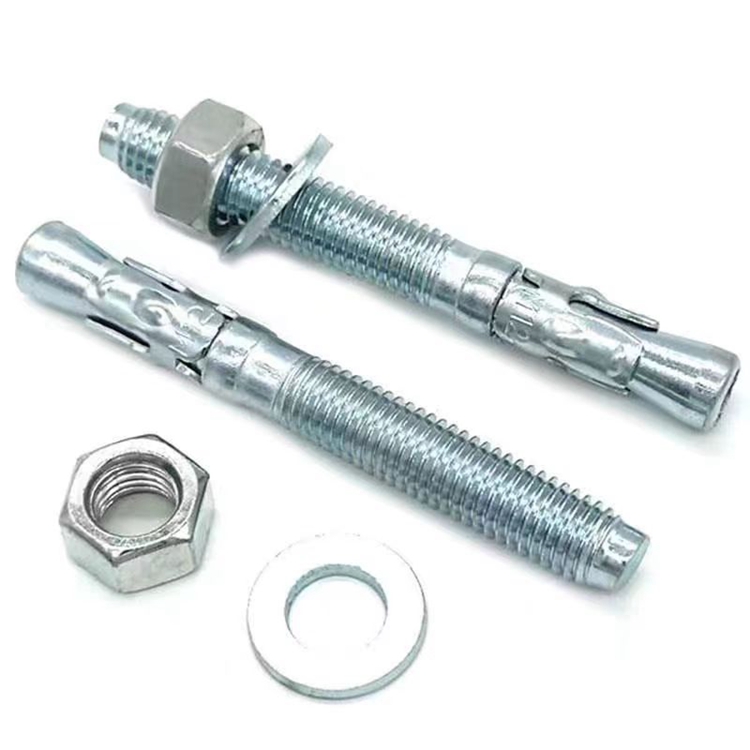
Full thread hex bolts are externally threaded fasteners characterized by threading along the entire length of the shank. Unlike partially threaded bolts, which possess threading only along a portion of the shank, full thread variants offer increased adjustability and are particularly suited for applications requiring precise clamping force distribution or frequent adjustments. Positioned within the fastening and joining technology segment of the broader industrial supply chain, these bolts are crucial components across diverse industries including automotive, construction, machinery, and infrastructure. Core performance characteristics include tensile strength, yield strength, proof load, and resistance to loosening under vibration. The primary industry pain point revolves around ensuring consistent thread quality, material traceability, and adherence to stringent dimensional tolerances to guarantee reliable performance and prevent joint failure. Corrosion resistance, particularly in harsh environments, is another significant concern driving material selection and coating requirements.
Material Science & Manufacturing
The predominant material for full thread hex bolts is carbon steel, categorized by grades such as SAE Grade 2, 5, and 8, corresponding to increasing tensile strength. Alloy steels, including those containing chromium, molybdenum, and nickel, are utilized for applications demanding higher strength, toughness, and corrosion resistance. Stainless steel (304, 316) variants are chosen for corrosive environments. Material properties are paramount; carbon steel’s tensile strength ranges from 60,000 to 180,000 PSI depending on grade, while stainless steel offers significantly improved corrosion resistance but typically lower tensile strength. Manufacturing typically involves cold heading followed by thread rolling. Cold heading forms the bolt head and begins the shank formation, increasing material strength through work hardening. Thread rolling, a chip-less process, imparts the threads onto the shank using hardened dies. Critical parameters include die pressure, feed rate, and lubricant selection, directly impacting thread form, surface finish, and residual stress. Heat treatment (quenching and tempering) is often employed to achieve the desired mechanical properties. Quality control encompasses dimensional inspection (thread pitch, diameter, length), hardness testing (Rockwell, Brinell), and metallurgical analysis to ensure conformity to specifications. Hydrogen embrittlement is a key consideration during electroplating; proper post-plating heat treatment is crucial to prevent cracking.
Performance & Engineering
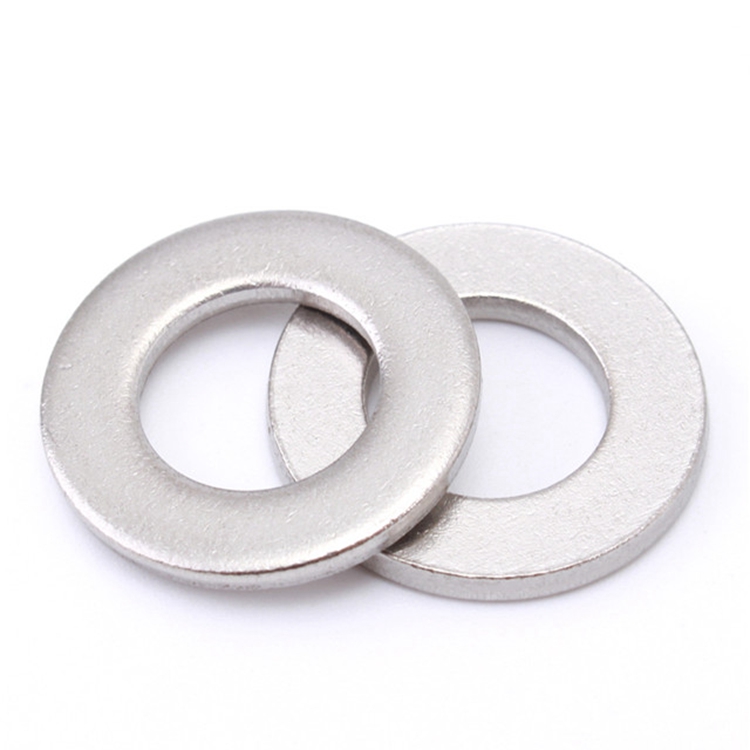
The performance of full thread hex bolts is governed by several engineering principles. Tensile loading induces stress along the threaded section; the bolt’s tensile strength represents the maximum stress it can withstand before fracture. Shear loading, prevalent in joints subject to transverse forces, places stress on the thread form. The proof load, typically specified as a percentage of the tensile strength, represents the maximum load the bolt can sustain without permanent deformation. Thread engagement length is critical; a longer engagement provides greater resistance to stripping. Environmental factors significantly influence performance. Corrosion, particularly in chloride-rich environments, weakens the bolt material and initiates failure. Temperature variations affect material properties; elevated temperatures reduce yield strength and tensile strength. Vibration can induce fatigue loading, leading to thread loosening. Prevailing torque nuts or locking washers are employed to mitigate loosening. Finite element analysis (FEA) is routinely utilized to optimize bolt design and predict stress distribution under various loading conditions. Compliance requirements, dictated by industry-specific standards, mandate specific material properties, dimensional tolerances, and testing procedures. The bolt preload, the initial tension applied to the bolt during tightening, is a key factor affecting joint performance, influencing clamp load and fatigue resistance.
Technical Specifications
| Grade | Tensile Strength (PSI) | Yield Strength (PSI) | Proof Load (PSI) |
|---|---|---|---|
| SAE Grade 2 | 60,000 | 36,000 | 30,000 |
| SAE Grade 5 | 85,000 | 60,000 | 52,000 |
| SAE Grade 8 | 150,000 | 110,000 | 90,000 |
| 304 Stainless Steel | 75,000 | 30,000 | 25,000 |
| 316 Stainless Steel | 80,000 | 35,000 | 30,000 |
| A4-80 (Equivalent to Grade 8) | 160,000 | 120,000 | 100,000 |
Failure Mode & Maintenance
Common failure modes for full thread hex bolts include tensile failure (fracture under excessive tension), shear failure (failure under transverse loads), thread stripping (damage to the threads preventing proper engagement), fatigue failure (crack propagation due to cyclic loading), and corrosion-induced failure (weakening of the material due to environmental attack). Fatigue cracking often initiates at stress concentrations, such as thread roots or under the bolt head. Hydrogen embrittlement, particularly in high-strength bolts, can lead to brittle fracture. Galvanic corrosion, occurring when dissimilar metals are in contact in the presence of an electrolyte, accelerates corrosion rates. Maintenance strategies include regular visual inspection for signs of corrosion, thread damage, or deformation. Torque checks should be performed periodically to ensure proper preload is maintained, especially in vibrating environments. Lubrication with appropriate anti-seize compounds prevents galling and corrosion. If corrosion is detected, the bolt should be replaced. For critical applications, non-destructive testing (NDT) methods, such as ultrasonic testing or magnetic particle inspection, can detect internal flaws. Preventative maintenance schedules should be established based on the severity of the operating environment and the criticality of the application. Proper storage, protecting bolts from moisture and contaminants, is essential to prevent premature degradation.
Industry FAQ
Q: What is the difference between a full thread bolt and a partially threaded bolt in terms of application suitability?
A: Full thread bolts are best suited for applications requiring frequent adjustments or precise clamping force distribution, such as those found in machinery alignment or fixtures. Partially threaded bolts are preferable when a strong shoulder is needed to resist side loads or when embedding the bolt into a material, like wood, is necessary. The full thread provides greater adjustability, but reduced shear strength in the unthreaded portion.
Q: How does the material grade affect the performance and cost of a full thread hex bolt?
A: Higher material grades (e.g., Grade 8 vs. Grade 2) exhibit significantly greater tensile and yield strengths, enabling them to withstand higher loads and more demanding environments. However, these higher-grade bolts are considerably more expensive due to the more sophisticated alloys and manufacturing processes involved.
Q: What is the impact of corrosion on the long-term reliability of full thread hex bolts, and what preventative measures can be taken?
A: Corrosion weakens the bolt material, reducing its load-bearing capacity and potentially leading to failure. Preventative measures include using corrosion-resistant materials (stainless steel), applying protective coatings (zinc plating, hot-dip galvanizing), using anti-seize compounds, and implementing regular inspection and maintenance programs. Careful selection of materials based on the operating environment is critical.
Q: What is proof load and why is it important when selecting a full thread hex bolt?
A: Proof load represents the maximum tensile stress a bolt can withstand without permanent deformation. It is crucial because exceeding the proof load can lead to loosening of the joint and eventual failure. Selecting a bolt with a proof load that exceeds the expected operating load ensures the joint remains secure and reliable over its service life.
Q: What considerations are important when specifying the thread engagement length for a full thread hex bolt?
A: Longer thread engagement generally provides greater resistance to stripping, but also increases the risk of galling. The optimal engagement length depends on the material properties of both the bolt and the tapped hole, the applied load, and the lubrication conditions. Industry standards provide guidelines for minimum engagement length based on these factors.
Conclusion
Full thread hex bolts remain a foundational fastening element across a multitude of industries, prized for their versatility and adjustability. Understanding the interplay between material science, manufacturing processes, and engineering principles is paramount for ensuring reliable performance and preventing premature failure. Selecting the appropriate material grade, controlling manufacturing parameters, and implementing effective maintenance strategies are essential considerations for optimizing joint integrity and maximizing service life.
The future of full thread hex bolt technology is focused on advancements in material science, such as the development of higher-strength, corrosion-resistant alloys, and the incorporation of smart materials for self-monitoring and adaptive fastening. Increased emphasis on sustainable manufacturing practices will drive the adoption of more efficient and environmentally friendly production processes. The integration of digital technologies, including predictive maintenance algorithms and automated inspection systems, will further enhance the reliability and performance of these critical components.