
Introduction
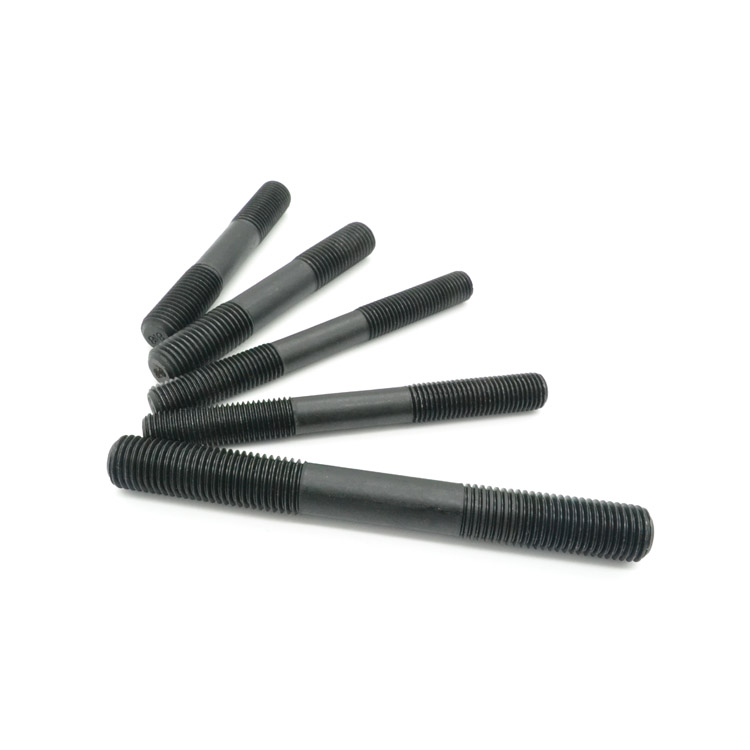
DIN 961 hex bolts are fully threaded fasteners conforming to Deutsches Institut für Normung (DIN) standard 961. These bolts, characterized by their hexagonal head and complete thread length, are essential components in a wide array of industrial applications, particularly in machinery, construction, and automotive engineering. Unlike partially threaded bolts, DIN 961 bolts offer consistent clamping force distribution along the entire threaded section, making them suitable for applications requiring secure and even pressure. Their primary function is to securely join materials, resisting tensile and shear stresses. The selection of appropriate material grade and coating is critical for ensuring optimal performance and longevity in specific operational environments. Core industry pain points addressed by DIN 961 bolts relate to achieving reliable joint integrity, minimizing stress concentrations, and preventing loosening due to vibration or thermal cycling.
Material Science & Manufacturing
DIN 961 hex bolts are commonly manufactured from carbon steels, alloy steels, and stainless steels. Carbon steel (e.g., SAE 1045) provides high strength but is susceptible to corrosion. Alloy steels, incorporating elements like manganese, chromium, and molybdenum, offer improved strength, toughness, and hardenability. Stainless steels (e.g., A2, A4) deliver excellent corrosion resistance but generally have lower tensile strengths than carbon or alloy steels. Material selection hinges on the anticipated loading conditions and environmental exposure.
The manufacturing process typically involves cold heading followed by thread rolling. Cold heading forms the bolt head from a wire stock, enhancing the grain flow for increased strength. Thread rolling, a deformation process rather than a cutting one, produces threads with superior fatigue resistance. Key parameters include heading die design, rolling pressure, and lubricant selection. Heat treatment (quenching and tempering) is often employed to achieve the desired mechanical properties. Surface treatments like zinc plating, hot-dip galvanizing, or passivating are applied for corrosion protection. Quality control throughout the process is vital, including dimensional checks, hardness testing (Rockwell, Vickers), and tensile strength verification. Failure to control these parameters can lead to defects such as incomplete threading, surface cracks, and inconsistent mechanical properties.
Performance & Engineering
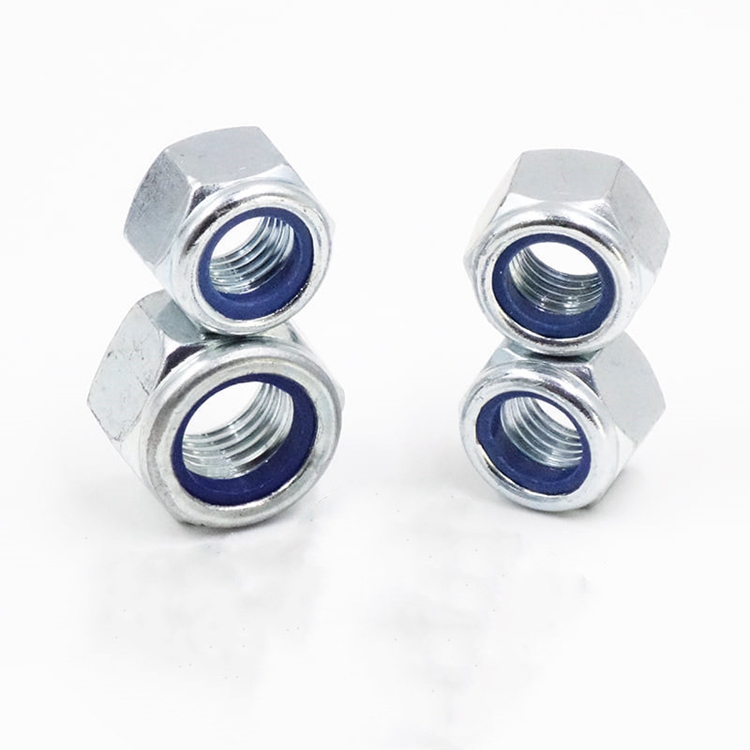
The performance of DIN 961 bolts is governed by several engineering principles. Tensile strength, yield strength, and shear strength dictate the bolt's load-bearing capacity. Preload, the initial tension applied to the bolt during tightening, is crucial for preventing joint separation and fatigue failure. The relationship between preload and clamping force is defined by the bolt’s stiffness and the nut’s compliance. Torque-tension relationships must be accurately calibrated to achieve the desired preload without exceeding the bolt's yield strength.
Environmental resistance is a significant performance factor. Corrosion, particularly in marine or chemically aggressive environments, can degrade the bolt material and reduce its strength. Temperature variations induce thermal expansion and contraction, potentially loosening the joint. Vibration can also cause loosening, especially in applications without locking mechanisms. Compliance requirements vary by industry and application. For example, in the automotive industry, bolts must meet stringent fatigue and corrosion resistance standards (e.g., VDA standards). In aerospace applications, materials and processes must be traceable and certified to meet AS9100 standards. Finite element analysis (FEA) is frequently used to simulate bolt behavior under various loading conditions and optimize joint design.
Technical Specifications
| Diameter (mm) | Thread Pitch (mm) | Tensile Strength (MPa) - Grade 8.8 | Tensile Strength (MPa) - Grade 10.9 |
|---|---|---|---|
| M3 | 0.5 | 800 | 1000 |
| M4 | 0.7 | 800 | 1000 |
| M5 | 0.8 | 800 | 1000 |
| M6 | 1.0 | 800 | 1000 |
| M8 | 1.25 | 800 | 1000 |
| M10 | 1.5 | 800 | 1000 |
Failure Mode & Maintenance
DIN 961 hex bolts are susceptible to several failure modes. Tensile overload can lead to fracture, particularly at the thread root. Fatigue failure, caused by cyclic loading, initiates at stress concentrations (e.g., thread junctions, underhead). Corrosion, especially galvanic corrosion when dissimilar metals are in contact, weakens the bolt material. Hydrogen embrittlement, induced by exposure to hydrogen-containing environments, reduces ductility and promotes cracking. Thread stripping, occurring when the load exceeds the thread's shear strength, leads to joint failure.
Preventive maintenance involves regular inspection for corrosion, cracks, and loosening. Torque checks should be performed periodically to ensure adequate preload. Lubrication reduces friction and prevents galling. In corrosive environments, protective coatings should be reapplied as needed. If a bolt is found to be damaged or corroded, it should be replaced immediately. When replacing bolts, ensure that the new bolts have the same material grade, dimensions, and coating as the original. Failure analysis, including metallographic examination and fracture surface analysis, can identify the root cause of failures and prevent recurrence.
Industry FAQ
Q: What is the significance of the property class marking on a DIN 961 bolt (e.g., 8.8, 10.9)?
A: The property class marking indicates the tensile strength and yield strength of the bolt material. For example, 8.8 signifies a minimum tensile strength of 800 MPa and a minimum yield strength of 80% of the tensile strength (640 MPa). A higher property class indicates a stronger bolt. Selecting the appropriate property class is crucial for ensuring adequate load-bearing capacity.
Q: How does thread engagement length affect the shear strength of a DIN 961 bolt?
A: Shear strength is directly proportional to the thread engagement length. A longer engagement length distributes the shear load over a larger area, increasing the bolt’s resistance to shear failure. Insufficient thread engagement can lead to thread stripping and joint failure.
Q: What are the best practices for preventing corrosion of DIN 961 bolts in saltwater environments?
A: In saltwater environments, using bolts made of stainless steel (A4 is preferable to A2) is crucial. Applying a corrosion-resistant coating, such as hot-dip galvanizing or PTFE coating, provides additional protection. Avoiding contact with dissimilar metals minimizes galvanic corrosion. Regular inspection and cleaning are essential.
Q: What is the effect of using a torque wrench with an incorrect calibration on the preload of a DIN 961 bolt?
A: An incorrectly calibrated torque wrench can lead to under-tightening or over-tightening. Under-tightening results in insufficient clamping force and potential joint separation. Over-tightening can exceed the bolt’s yield strength, causing permanent deformation and reducing its clamping force. Regular calibration of torque wrenches is essential for achieving accurate preload.
Q: Can DIN 961 bolts be reused after disassembly? If so, what precautions should be taken?
A: Reusing DIN 961 bolts is generally not recommended, especially for critical applications. Disassembly and reassembly can damage the threads and reduce the bolt’s preload capability. If reuse is unavoidable, the bolts should be thoroughly inspected for damage, cleaned, and re-lubricated. It is advisable to apply a new torque value, slightly higher than the original, but never exceeding the bolt’s yield strength.
Conclusion
DIN 961 hex bolts are indispensable fasteners, providing reliable and consistent joint performance across numerous industries. Their fully threaded design facilitates even load distribution, making them preferable in applications demanding secure clamping. Understanding the interplay between material science, manufacturing processes, and engineering principles is critical for selecting and implementing these bolts effectively.
Future advancements will likely focus on developing novel materials with enhanced corrosion resistance and fatigue strength, as well as innovative coating technologies to further extend bolt service life. Proper installation, maintenance, and adherence to relevant standards are paramount for maximizing the reliability and longevity of joints utilizing DIN 961 hex bolts.