
Introduction
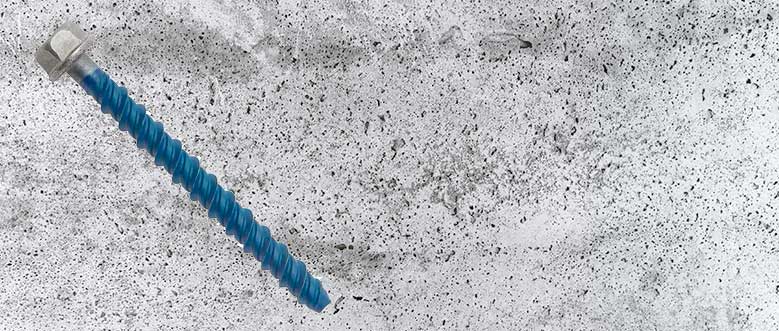
Lengthened hex bolts are high-strength fasteners characterized by their hexagonal head and extended shank length. They are critical components in numerous industrial applications, bridging mechanical systems across various sectors including construction, automotive, machinery, and infrastructure. Functionally, these bolts provide a clamping force to securely join materials, resisting tensile, shear, and torsional stresses. Their extended length is specifically engineered to accommodate thicker materials, complex assemblies, or the need for enhanced reach during installation. The industry position is as a commodity component, though nuanced differences in material grade, manufacturing precision, and coating significantly impact performance and application suitability. Core performance is dictated by tensile strength, yield strength, proof load, and resistance to corrosion, all rigorously defined by international standards.
Material Science & Manufacturing
The primary material for lengthened hex bolts is carbon steel, typically AISI 1045, 1050, or equivalent, offering a balance of strength and cost-effectiveness. Alloy steels like 4140, 4340, and stainless steel (304, 316) are employed for applications demanding higher strength, corrosion resistance, or extreme temperature performance. Raw material properties, including chemical composition and grain structure, are paramount. Manufacturing begins with hot forging or cold heading to form the bolt shape. Hot forging, suitable for larger bolts, involves deforming heated metal under pressure, resulting in a dense, strong microstructure. Cold heading, used for smaller bolts, offers improved surface finish and dimensional accuracy. Following forming, the bolts undergo thread rolling – a cold-forming process creating accurate threads without material waste – crucial for consistent load distribution. Heat treatment, including hardening and tempering, is critical for achieving the desired mechanical properties. Hardening increases strength and wear resistance, while tempering reduces brittleness. Surface treatments such as zinc plating, hot-dip galvanizing, or specialized coatings like Xylan are applied for corrosion protection. Key parameter control during manufacturing includes precise forging temperatures, accurate thread geometry, and consistent heat treatment cycles, monitored via metallographic analysis and tensile testing to ensure compliance with specifications.
Performance & Engineering
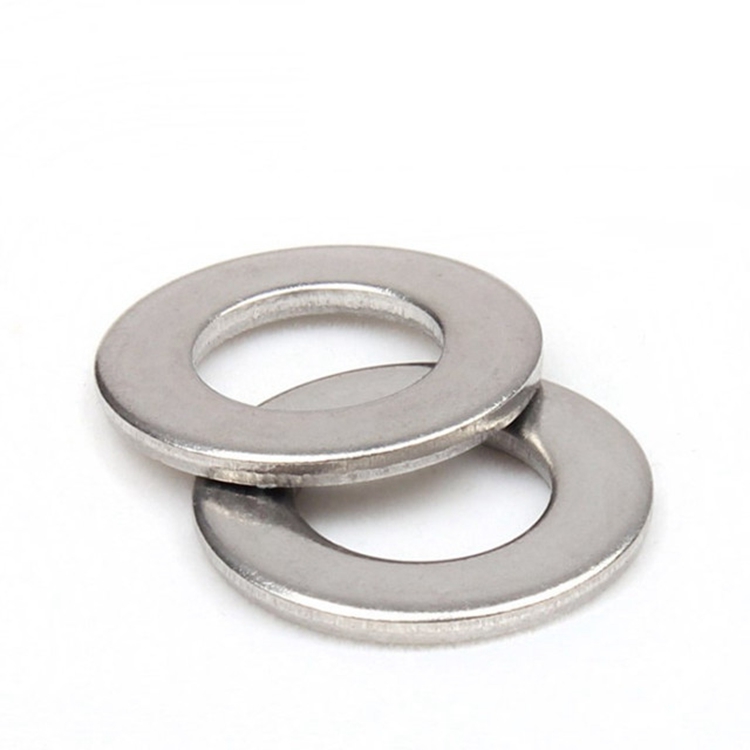
Performance analysis of lengthened hex bolts centers on their ability to withstand applied loads without failure. Force analysis involves calculating tensile stress (force/area) and shear stress (force parallel to area) experienced by the bolt during operation. Preload, the initial tightening force, is a critical parameter, as it influences clamping force and resistance to loosening. Insufficient preload can lead to joint separation, while excessive preload can cause bolt stretching or yielding. Environmental resistance is paramount; corrosion, particularly in marine or industrial environments, significantly degrades bolt performance. Galvanic corrosion, occurring when dissimilar metals are in contact, must be considered. Fatigue is another critical failure mode, arising from cyclic loading. Bolt material, surface finish, and applied load range influence fatigue life. Compliance requirements dictate adherence to specific standards like ASTM A307 (carbon steel bolts), ASTM A325 (high-strength bolts), and ISO 898-1 (mechanical properties of fasteners). Engineering calculations must account for stress concentration at the thread root and under the bolt head. Finite Element Analysis (FEA) is often employed to model stress distribution and optimize bolt design for specific applications. Bolt length impacts bending moments and overall joint stiffness, requiring careful consideration during design. Proper washer selection (flat, lock, or conical spring) is also crucial for distributing load and preventing loosening.
Technical Specifications
| Material Grade | Tensile Strength (MPa) | Yield Strength (MPa) | Proof Load (kN) |
|---|---|---|---|
| AISI 1045 | 600-800 | 310-480 | 50-150 (depending on diameter) |
| AISI 4140 | 860-1030 | 690-860 | 100-300 (depending on diameter) |
| Stainless Steel 304 | 517-724 | 205-310 | 40-120 (depending on diameter) |
| Stainless Steel 316 | 620-790 | 240-345 | 50-150 (depending on diameter) |
| ASTM A307 Grade A | 400-500 | 205-310 | 25-80 (depending on diameter) |
| ASTM A325 | 830-1040 | 690-830 | 150-400 (depending on diameter) |
Failure Mode & Maintenance
Lengthened hex bolts are susceptible to several failure modes. Fatigue cracking, initiated by cyclic loading, typically originates at stress concentration points like thread roots or under the bolt head. This is exacerbated by improper preload and corrosive environments. Thread stripping, occurring when the threads are deformed beyond their elastic limit, often results from excessive tightening or misalignment. Hydrogen embrittlement, particularly in high-strength steels, can lead to brittle fracture in the presence of hydrogen. Corrosion, as previously discussed, weakens the bolt material and increases susceptibility to other failure modes. Galvanic corrosion, in particular, requires careful material selection and isolation techniques. Maintenance involves periodic inspection for signs of corrosion, damage, or loosening. Torque checks should be performed using a calibrated torque wrench, ensuring adherence to specified preload values. Lubrication of threads can reduce friction and prevent galling during tightening and loosening. For bolts operating in corrosive environments, regular cleaning and application of protective coatings are essential. In the event of observed damage, bolts should be replaced immediately. Failure analysis, including metallographic examination of fractured bolts, is crucial for identifying root causes and preventing recurrence.
Industry FAQ
Q: What is the impact of thread lubrication on bolt preload and torque-tension relationship?
A: Thread lubrication significantly reduces friction between the bolt threads and the nut or tapped hole. This results in a lower torque coefficient, meaning a given torque value will achieve a higher preload. Conversely, a dry or corroded thread requires a higher torque to achieve the same preload. Accurate torque-tension charts must account for the specific lubricant used to ensure proper clamping force and prevent over-tightening or under-tightening.
Q: How does bolt material affect its susceptibility to hydrogen embrittlement?
A: High-strength alloy steels are more susceptible to hydrogen embrittlement than lower-strength carbon steels. Hydrogen atoms diffuse into the metal lattice, reducing ductility and increasing the risk of brittle fracture. Coatings such as zinc or cadmium can exacerbate this issue. Selecting appropriate materials and coatings, along with controlling exposure to hydrogen-containing environments, is critical for preventing this failure mode.
Q: What are the key differences between ASTM A307 and ASTM A325 bolts, and when should each be used?
A: ASTM A307 bolts are carbon steel bolts with lower strength requirements, typically used in non-critical applications where high clamping force isn't essential. ASTM A325 bolts are high-strength alloy steel bolts, providing significantly greater strength and are required for structural connections and applications involving high dynamic loads. A325 bolts often require specialized tightening procedures, such as turn-of-nut tightening.
Q: How does the length of the bolt shank influence joint stiffness and stress distribution?
A: A longer bolt shank generally increases joint stiffness, reducing deflection under load. However, it also increases the bolt’s susceptibility to bending moments, especially if the joint isn’t perfectly aligned. Longer bolts may require larger washers to distribute load effectively. Optimizing shank length requires considering joint geometry, applied loads, and material properties.
Q: What is the role of washers in bolt performance, and what types are commonly used?
A: Washers serve several critical functions: distributing load over a wider area, preventing damage to the joined materials, providing a bearing surface for the bolt head and nut, and preventing loosening. Common types include flat washers (for load distribution), lock washers (to prevent loosening through friction or deformation), and conical spring washers (providing a spring force to maintain preload). Proper washer selection is crucial for optimal joint performance.
Conclusion
Lengthened hex bolts are fundamental fastening elements demanding careful material selection, precise manufacturing control, and diligent engineering analysis. Their performance is intrinsically linked to a complex interplay of mechanical properties, environmental factors, and application-specific requirements. Understanding the potential failure modes – fatigue, corrosion, thread stripping, and hydrogen embrittlement – is vital for ensuring long-term joint integrity and operational safety.
Future advancements in bolt technology will likely focus on developing innovative materials with enhanced strength and corrosion resistance, as well as implementing smart fastening systems incorporating sensors for real-time monitoring of preload and structural health. A continued emphasis on standardized testing procedures and rigorous quality control will remain paramount to guaranteeing the reliability and performance of these critical components across diverse industrial applications.