
Introduction
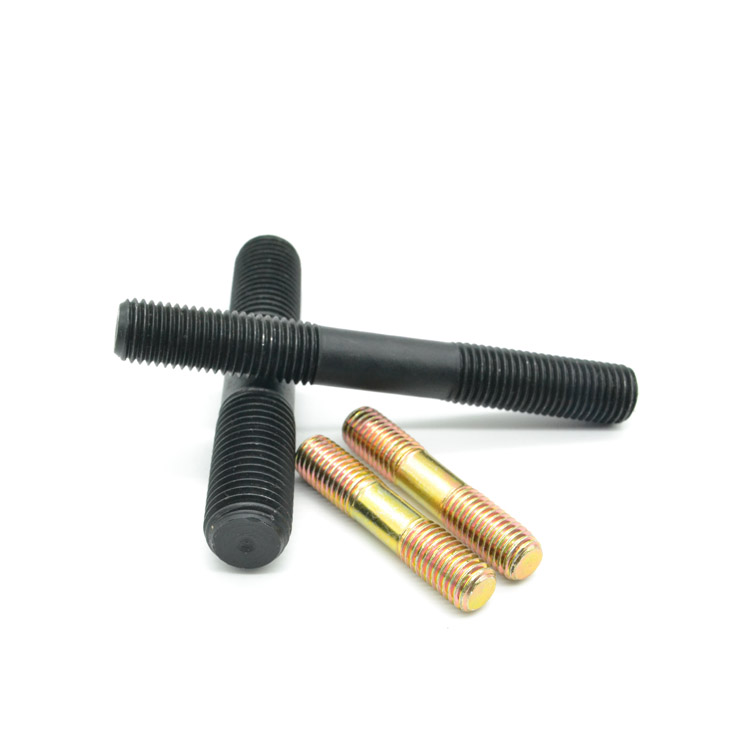
Black oxidation hex bolts are fasteners utilizing a chemical conversion coating process to impart a black finish to steel components. This process, also known as bluing, creates a protective magnetite (Fe3O4) layer on the surface. These bolts occupy a critical position in numerous industries, including automotive, aerospace, and general manufacturing, where corrosion resistance and aesthetic considerations are paramount. Their primary function remains securement, however, the black oxide finish delivers moderate corrosion protection, enhances light absorption (reducing glare), and provides a base for subsequent coatings. The performance of black oxide hex bolts is significantly dictated by the steel alloy used in their construction, the quality of the oxidation process, and any post-treatment applications, such as oiling or waxing to further improve corrosion resistance. A key pain point within the industry lies in maintaining consistent coating thickness and adhesion, particularly in high-volume production environments.
Material Science & Manufacturing
The base material for black oxidation hex bolts is typically carbon steel, commonly 1018, 1045, or alloy steels such as 4140. The carbon content influences hardness and strength, while alloying elements improve corrosion resistance and toughness. Manufacturing begins with cold heading or hot forging to form the bolt shape. This process induces grain flow aligned with the bolt’s axis, enhancing tensile strength. Following forming, the bolts undergo machining operations – rolling threads using a die, and potentially milling or turning for specific head styles. The critical step is the black oxidation process itself. This involves immersing the steel parts in an alkaline oxidizing bath containing sodium hydroxide, sodium nitrite, and water, typically at temperatures between 140°F and 180°F (60°C - 82°C). This creates the magnetite layer. Process control parameters – bath concentration, temperature, immersion time, and the steel's surface preparation (degreasing and cleaning are vital) – directly affect coating thickness, uniformity, and adhesion. Post-oxidation, bolts are rinsed, dried, and often treated with an oil or wax sealant to further enhance corrosion protection. Hydrogen embrittlement is a significant concern, particularly with high-strength steels; post-treatment baking can mitigate this risk. Chemical compatibility of the bath components and the base steel is crucial to avoid undesirable reactions and ensure a stable oxide layer.
Performance & Engineering
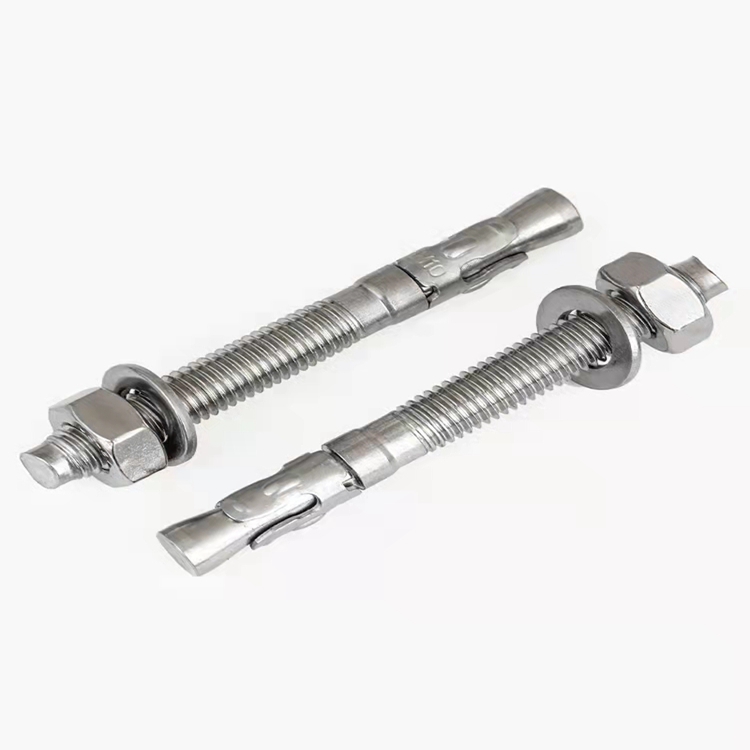
The performance of black oxidation hex bolts is assessed through several key engineering parameters. Tensile strength, yield strength, and shear strength are determined by the base material and manufacturing process, adhering to standards like ASTM A307 or A325. The black oxide coating itself provides minimal dimensional change, crucial for maintaining precise fit within assemblies. Corrosion resistance, while improved compared to bare steel, is limited. Salt spray testing (ASTM B117) is used to quantify resistance, typically ranging from 24 to 96 hours before red rust appears, depending on the oil or wax sealant applied. The coating’s adhesion is tested via bend testing and scribe tests (ASTM D3359). Force analysis under load considers both the bolt’s mechanical properties and the coating’s resistance to galling and wear. The relatively soft magnetite layer can be susceptible to abrasion. Environmental resistance extends to moderate temperature variations, but prolonged exposure to high temperatures can lead to oxide degradation and loss of protective properties. Compliance with RoHS and REACH directives dictates limitations on the use of certain chemicals in the oxidation process and post-treatment coatings.
Technical Specifications
| Parameter | Typical Value (Grade 5 Bolt) | Typical Value (Grade 8 Bolt) | Testing Standard |
|---|---|---|---|
| Tensile Strength (MPa) | 400-550 | 600-800 | ASTM A307 / A325 |
| Yield Strength (MPa) | 240-310 | 410-510 | ASTM A307 / A325 |
| Coating Thickness (µm) | 0.5 - 2.5 | 0.5 - 2.5 | ASTM D1152 |
| Salt Spray Resistance (Hours) | 24-72 (Oil Coated) | 24-72 (Oil Coated) | ASTM B117 |
| Hardness (HRC) | 20-30 | 30-45 | ASTM A370 |
| Torque Coefficient (µ) | 0.15-0.20 | 0.15-0.20 | NASM/ASME Std. B1.1 |
Failure Mode & Maintenance
Black oxidation hex bolts are susceptible to several failure modes. Hydrogen embrittlement, as mentioned earlier, can lead to brittle fracture, especially in high-strength steels. This is exacerbated by the alkaline oxidation process. Corrosion, despite the protective coating, remains a primary concern, particularly in marine or chemically aggressive environments. Red rust formation indicates coating breakdown. Galling, a form of adhesive wear, can occur during tightening, particularly if insufficient lubrication is present. Fatigue cracking can initiate at stress concentrations (e.g., thread roots) under cyclical loading. Delamination of the oxide layer, often due to poor surface preparation or inadequate cleaning before oxidation, reduces corrosion resistance. Maintenance involves periodic inspection for signs of corrosion or damage. Re-oiling or waxing the bolts can restore a degree of corrosion protection. For critical applications, torque checks should be performed regularly to ensure proper clamping force. If significant corrosion or damage is observed, bolts should be replaced. In cases of suspected hydrogen embrittlement, baking (heat treatment) may offer temporary mitigation but replacement is often the more prudent course of action. Preventative measures include careful selection of bolt material based on the application environment, proper surface preparation, and consistent adherence to oxidation process controls.
Industry FAQ
Q: What is the primary advantage of black oxidation over other coating methods like galvanization?
A: Black oxidation offers dimensional stability and a visually appealing finish, unlike galvanization which can add significant thickness and alter dimensions. Galvanization provides superior corrosion resistance, however, black oxidation is often preferred when dimensional precision and aesthetics are critical and the corrosion environment is less severe.
Q: How does the steel grade affect the effectiveness of the black oxide coating?
A: Higher carbon steel grades generally exhibit better oxide layer adhesion. However, high-strength steels are more prone to hydrogen embrittlement during the oxidation process, necessitating post-treatment baking. The steel's surface finish before oxidation also plays a vital role - a smoother surface promotes a more uniform and adherent coating.
Q: What types of oils or waxes are typically used as post-treatments and what is their impact?
A: Mineral oils, waxes, and specialized corrosion inhibitors are common post-treatments. Oils provide a temporary barrier against moisture and contaminants. Waxes offer longer-lasting protection but can be less effective in extreme conditions. Corrosion inhibitors enhance the oil's protective properties by forming a passive layer on the steel surface.
Q: Can black oxidation be applied to other materials besides steel?
A: While primarily used on steel, black oxidation can be applied to other ferrous materials like cast iron. Application to aluminum alloys is possible with specialized processes, but the resulting coating differs significantly in composition and properties.
Q: What are the limitations regarding the use of black oxidation in high-temperature applications?
A: The magnetite layer (Fe3O4) begins to degrade at temperatures exceeding approximately 400°F (200°C). Prolonged exposure to high temperatures can cause the oxide layer to flake off, reducing corrosion protection and potentially leading to galling. For high-temperature applications, alternative coatings like ceramic coatings or nitriding are more suitable.
Conclusion
Black oxidation hex bolts represent a cost-effective solution for providing moderate corrosion protection and enhancing the aesthetic appearance of fasteners. The process relies heavily on meticulous control of chemical parameters, surface preparation, and post-treatment application. While not offering the same level of corrosion resistance as galvanization, black oxidation maintains dimensional accuracy crucial for precision assemblies. Understanding the failure modes associated with these bolts – including hydrogen embrittlement, corrosion, and galling – is vital for ensuring long-term reliability.
Future developments may focus on improving the corrosion resistance of black oxide coatings through novel post-treatment chemistries and nanoscale coatings. Furthermore, optimizing the oxidation process to minimize hydrogen absorption will be critical for expanding the application of these bolts to high-strength steel components. Continued research into environmentally friendly oxidation solutions will also be crucial for compliance with evolving regulations.