
Introduction
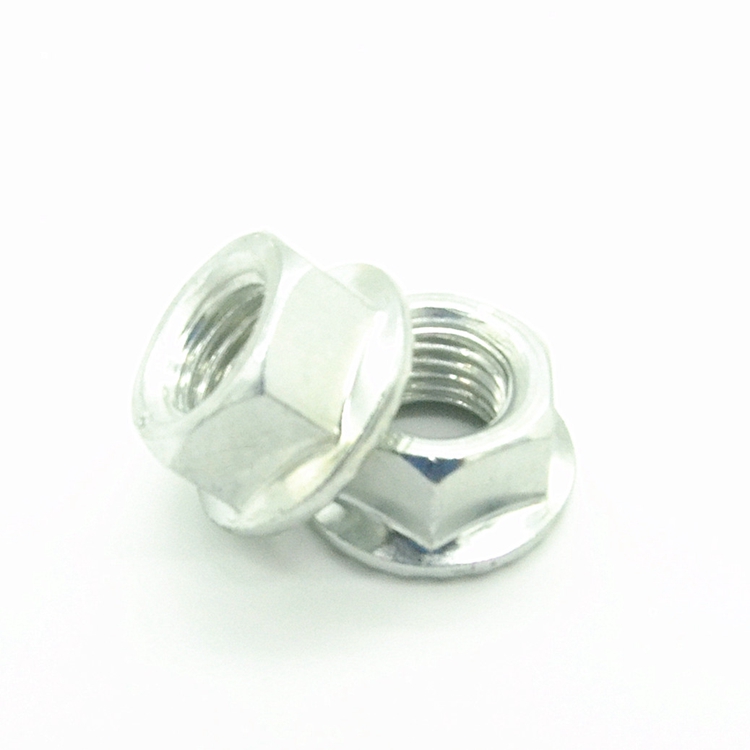
Galvanized hex bolts are externally threaded fasteners, characterized by a hexagonal head, manufactured from carbon steel and coated with a layer of zinc. Their primary function is to secure components through clamping force, utilizing the combined strength of the bolt material and the thread engagement. Within the industrial fastening chain, galvanized hex bolts serve as a crucial element in structural assembly across a wide range of sectors including construction, automotive, infrastructure, and machinery. The zinc coating provides sacrificial corrosion protection to the steel substrate, significantly extending service life in corrosive environments. Key performance characteristics include tensile strength, yield strength, proof load, and corrosion resistance, directly influencing application suitability and long-term structural integrity. The selection of a galvanized hex bolt, therefore, necessitates a deep understanding of these parameters, environmental factors, and loading conditions.
Material Science & Manufacturing
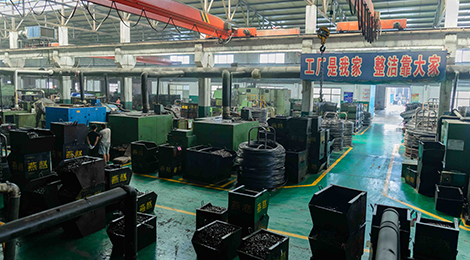
Galvanized hex bolts are typically manufactured from medium carbon steel, such as ASTM A307 Grade A or A570, offering a balance of strength and cost-effectiveness. The steel composition dictates inherent mechanical properties, including tensile strength (typically 60,000 PSI for Grade A), yield strength, and ductility. The galvanizing process, most commonly hot-dip galvanizing, involves immersing the steel bolts in a molten zinc bath. This creates a metallurgical bond between the zinc and the steel substrate, forming a series of zinc-iron alloy layers, followed by a layer of pure zinc. The thickness of the zinc coating is a critical parameter, typically ranging from 50 to 100 micrometers, governed by standards like ASTM A153. Manufacturing processes begin with cold heading or hot forging to form the hexagonal head and shank. Thread rolling, a cold-forming process, is then employed to create the threads, enhancing thread strength and surface finish. Precise control of heading/forging temperatures, die geometry, and rolling parameters is essential to prevent defects such as laps, seams, or incomplete threads. Post-galvanizing, quality control inspections assess coating thickness, adhesion, and the absence of defects like white rust (zinc oxide) or red rust (iron oxide).
Performance & Engineering
The performance of galvanized hex bolts is primarily governed by mechanical loading, environmental exposure, and the integrity of the galvanizing layer. Under tensile load, the bolt experiences stress concentration at the thread root, making fatigue resistance a crucial consideration. Force analysis, using Finite Element Analysis (FEA) modeling, is often employed to optimize bolt geometry and identify potential failure points. The proof load, defined as the maximum tensile load a bolt can withstand without permanent deformation, is a key design parameter. Galvanization influences performance by providing cathodic protection; the zinc corrodes preferentially, protecting the underlying steel. However, the effectiveness of this protection depends on coating thickness, environmental conditions (salinity, humidity, temperature), and the presence of crevices or damage to the coating. Compliance requirements, such as those outlined in ASTM F3125 (for high-strength bolts) and relevant building codes, specify material properties, manufacturing tolerances, and testing procedures. Engineering considerations include selecting the appropriate bolt grade for the application’s load requirements, accounting for potential corrosion rates, and ensuring proper tightening torque to achieve the desired clamping force. Preload, or the initial tension applied to the bolt, is critical for maintaining joint integrity and preventing loosening under vibration or dynamic loads.
Technical Specifications
| Property | Grade 5 (SAE) / A307 (ASTM) | Grade 8 (SAE) / A570 (ASTM) | Coating Thickness (Micrometers) |
|---|---|---|---|
| Tensile Strength (MPa) | 483 | 690 | 50-100 (typical hot-dip galvanizing) |
| Yield Strength (MPa) | 310 | 520 | – |
| Proof Load (kN) | Variable based on diameter | Variable based on diameter | – |
| Hardness (Rockwell C) | 85-95 | 95-105 | – |
| Zinc Coating Weight (g/m²) | – | – | 500-800 (typical range) |
| Corrosion Resistance (Salt Spray Test, hours) | 500-1000 | 500-1000 (dependent on coating quality) | – |
Failure Mode & Maintenance
Galvanized hex bolts are susceptible to several failure modes, including thread stripping, tensile failure, fatigue cracking, and corrosion-induced degradation. Thread stripping occurs when the threads are subjected to excessive shear stress, often due to improper tightening or overloading. Tensile failure results from exceeding the bolt’s ultimate tensile strength. Fatigue cracking initiates from stress concentrations (e.g., thread roots, surface imperfections) and propagates under cyclic loading. Corrosion is a significant factor, particularly in aggressive environments. Crevice corrosion can occur in gaps between the bolt head and the clamped surface, accelerating localized corrosion. White rust formation, although generally benign, indicates the beginning of zinc corrosion. Red rust indicates corrosion of the underlying steel, signifying coating failure. Maintenance involves regular inspection of bolts for signs of corrosion, damage, or loosening. Re-tightening bolts to the specified torque is crucial to maintain clamping force. For severely corroded bolts, replacement is necessary. Preventive maintenance can include applying a protective coating (e.g., zinc-rich paint) to the bolt threads and contacting surfaces, and using corrosion inhibitors in the application environment. Proper cleaning of the bolt threads prior to installation is also vital to ensure accurate torque readings and prevent galling.
Industry FAQ
Q: What is the difference between hot-dip galvanizing and electrogalvanizing, and which is preferred for structural applications?
A: Hot-dip galvanizing provides a thicker, more durable coating with superior corrosion protection due to the metallurgical bond formed between the zinc and the steel. Electrogalvanizing results in a thinner, smoother coating that is aesthetically pleasing but offers less corrosion resistance. For structural applications demanding long-term durability in harsh environments, hot-dip galvanizing is generally preferred.
Q: How does temperature affect the performance of galvanized bolts in high-temperature applications?
A: At elevated temperatures (above 200°C), the zinc coating can undergo changes that affect its corrosion protection properties. The zinc can creep or oxidize, reducing its effectiveness. In such scenarios, alternative coatings like ceramic or specialized alloys might be more appropriate.
Q: What is the impact of thread lubricant on the torque-tension relationship of galvanized bolts?
A: Thread lubricant significantly reduces friction between the bolt threads and the nut, allowing for a greater proportion of the applied torque to be converted into preload. This results in a more accurate and consistent clamping force. Using a lubricant specifically designed for galvanized fasteners is crucial to prevent corrosion issues.
Q: Can galvanized bolts be used with aluminum components? If so, are there any precautions that need to be taken?
A: Galvanized bolts can be used with aluminum components, but precautions are necessary to prevent galvanic corrosion. The zinc coating is more noble (less reactive) than aluminum, creating a galvanic cell when in contact with an electrolyte (moisture). This can lead to accelerated corrosion of the aluminum. Using a corrosion inhibiting paste or a barrier coating between the bolt and the aluminum is recommended.
Q: What are the implications of using dissimilar metals (e.g., galvanized bolts with stainless steel nuts) in a joint?
A: Using dissimilar metals can lead to galvanic corrosion, similar to the aluminum scenario. The zinc will corrode preferentially, potentially leading to joint failure. If dissimilar metals must be used, insulating washers or sleeves should be employed to isolate the metals and prevent a galvanic cell from forming.
Conclusion
Galvanized hex bolts are fundamental fastening components offering a robust combination of strength and corrosion resistance. Their manufacturing process, material science, and performance characteristics are all intricately linked, demanding careful consideration during selection and application. Understanding the nuances of galvanization, including coating thickness, metallurgical bonding, and potential failure modes, is critical for ensuring the long-term integrity of bolted joints.
Future advancements in fastener technology may focus on developing more advanced zinc alloys with enhanced corrosion protection, or exploring alternative coating methods such as zinc-nickel plating. Continued research into fatigue behavior and stress analysis will further optimize bolt designs for demanding applications. The selection of the appropriate galvanized hex bolt, coupled with proper installation and maintenance procedures, remains paramount for reliable and durable structural connections across diverse industries.