
Introduction
DIN 933 hex bolts are fully threaded fasteners conforming to Deutsches Institut für Normung (DIN) standard 933. These bolts are predominantly used in machine construction, automotive applications, and general assembly where a high degree of clamping force is required. They are characterized by their uniform thread length extending through the entire shank, enabling versatility in applications needing varying engagement lengths. The critical performance parameters of DIN 933 bolts include tensile strength, yield strength, and resistance to loosening under vibration, making them a foundational component in countless mechanical systems. A significant industry pain point is the consistent verification of material composition and thread quality to ensure reliable performance and prevent catastrophic failure, particularly in safety-critical applications. Understanding the nuances of material grade selection and manufacturing tolerances is paramount for engineers and procurement professionals.
Material Science & Manufacturing
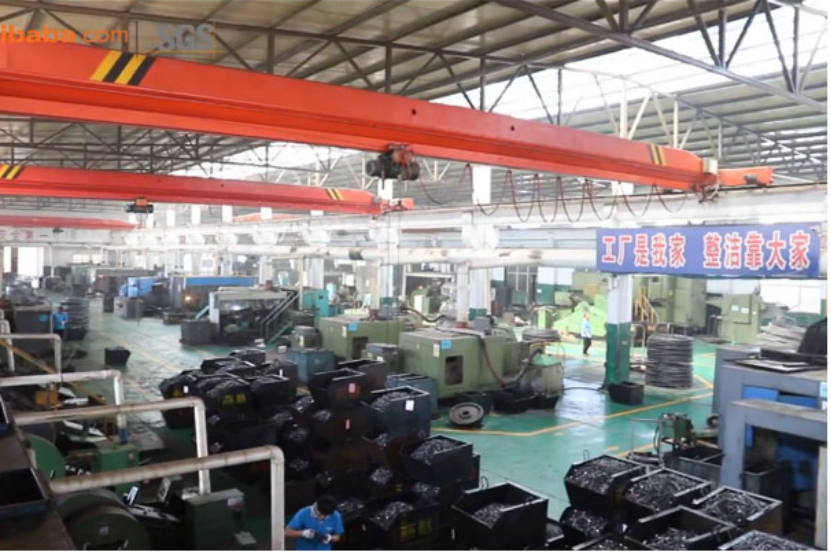
DIN 933 hex bolts are typically manufactured from carbon steels, alloy steels, and stainless steels. Common carbon steel grades include C35, C45, and C10K, offering varying levels of strength and ductility. Alloy steel grades like 42CrMo4 (SAE 4140) provide enhanced toughness and hardenability for high-stress applications. Austenitic stainless steels (e.g., A2, A4) are frequently used in corrosive environments. The manufacturing process generally begins with steel rod stock, which undergoes cold heading to form the bolt head. This process induces significant plastic deformation, refining the grain structure and improving the bolt's strength. Following heading, the shank is rolled with threads via a thread-rolling machine, creating a work-hardened surface layer which increases fatigue resistance. Crucial parameters controlled during manufacturing include the cold heading force, thread rolling pressure, and heat treatment temperatures (for alloy and stainless steels). Improper heat treatment can lead to incomplete martensitic transformation in alloy steels, reducing hardness and compromising strength. Furthermore, surface imperfections during thread rolling, such as tool marks or cracks, can act as stress concentrators and initiate failure. Chemical composition verification through techniques like Optical Emission Spectroscopy (OES) is critical to confirm material compliance with DIN standards.
Performance & Engineering
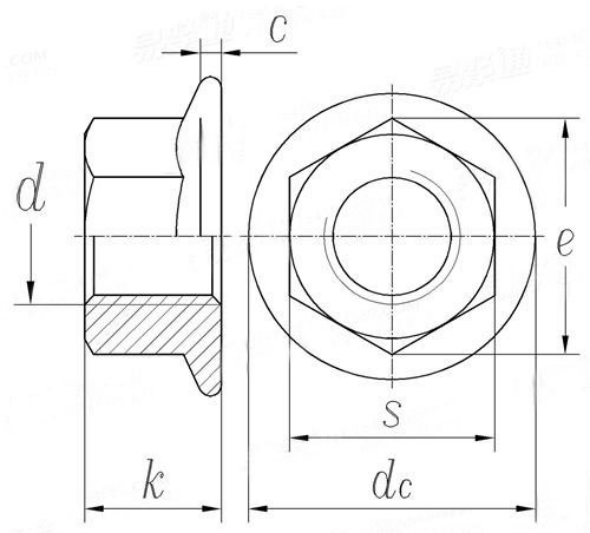
The performance of DIN 933 bolts is governed by factors like preload, fatigue loading, and environmental conditions. Preload, or tightening torque, is crucial for establishing clamping force and preventing joint separation. Excessive preload can lead to bolt yielding or thread stripping, while insufficient preload results in joint slippage and fatigue failure. Finite Element Analysis (FEA) is frequently employed to optimize preload based on the specific application and material properties. Fatigue performance is particularly critical in applications subject to cyclic loading. The S-N curve (stress-amplitude vs. number of cycles to failure) characterizes the bolt’s fatigue resistance. Corrosion resistance, especially for stainless steel bolts, is assessed through salt spray testing (ASTM B117) and electrochemical impedance spectroscopy. The choice of coating, such as zinc plating or galvanization, further enhances corrosion protection. Compliance with DIN EN 14399-4 (High-strength structural bolting assemblies for preloading – Part 4: System HR – Hexagon head bolts and nuts) is often mandated in structural engineering applications to ensure the reliability of bolted connections. Force analysis focuses on shear stress and tensile stress distributions within the bolt, ensuring they remain below allowable limits specified by the material standard. Understanding the impact of temperature on material properties is also vital in high-temperature environments.
Technical Specifications
| Diameter (mm) | Thread Pitch (mm) | Material Grade | Tensile Strength (MPa) |
|---|---|---|---|
| M3 | 0.5 | C35 | 400 |
| M4 | 0.7 | C45 | 500 |
| M5 | 0.8 | 8.8 (42CrMo4) | 800 |
| M6 | 1.0 | A2 Stainless Steel | 700 |
| M8 | 1.25 | 10.9 (42CrMo4) | 1000 |
| M10 | 1.5 | A4 Stainless Steel | 800 |
Failure Mode & Maintenance
Common failure modes for DIN 933 bolts include fatigue cracking, thread stripping, hydrogen embrittlement, and corrosion. Fatigue cracking typically initiates at stress concentrations, such as thread roots or underhead surface. Thread stripping occurs when the applied torque exceeds the thread’s shear strength. Hydrogen embrittlement, particularly in high-strength steels, can lead to brittle fracture in corrosive environments. Corrosion attacks the bolt material, reducing its cross-sectional area and weakening the joint. Failure analysis often involves fractography (examining the fracture surface using microscopy) to identify the root cause of failure. Preventive maintenance includes periodic inspection for corrosion, proper torque application during installation, and lubrication to reduce friction and wear. If corrosion is detected, bolts should be replaced. For applications subject to high vibration, the use of locking mechanisms, such as nylon-insert locknuts or chemical threadlockers, is recommended. Regular re-tightening of bolts may be necessary to compensate for creep and settlement in the joint. Implementing a robust bolt inventory management system is vital to track usage and ensure timely replacement of aging fasteners. Non-destructive testing (NDT) methods like magnetic particle inspection (MPI) can detect surface cracks before they propagate to critical sizes.
Industry FAQ
Q: What is the difference between a DIN 933 and DIN 931 bolt?
A: DIN 933 bolts are fully threaded along their entire length, while DIN 931 bolts have a partially threaded shank. DIN 931 bolts are typically used when a greater unthreaded portion of the bolt is required for clearance or alignment purposes. The choice depends on the specific application requirements and the necessary clamping length.
Q: How do I determine the correct torque for a DIN 933 bolt?
A: Torque is calculated based on the bolt diameter, material grade, and coefficient of friction between the bolt and nut. Torque tables are available in engineering handbooks and standards like DIN EN 14399-4. It's essential to use a calibrated torque wrench to ensure accurate tightening and avoid over- or under-tightening.
Q: What impact does plating have on the bolt’s performance?
A: Plating, such as zinc plating, provides corrosion protection. However, it can also slightly reduce the effective thread diameter and preload capacity. Hydrogen embrittlement can be a concern with certain plating processes, requiring post-plating heat treatment to mitigate the risk. Ensure the plating process is compatible with the bolt material and application environment.
Q: What are the implications of using a different material grade than specified in the design?
A: Using a lower material grade can significantly reduce the bolt’s strength and load-carrying capacity, potentially leading to premature failure. Using a higher material grade is generally acceptable, but may result in increased cost without a proportional performance improvement. Always adhere to the design specifications and material standards.
Q: What should be considered when selecting DIN 933 bolts for high-temperature applications?
A: At elevated temperatures, the yield strength and tensile strength of the bolt material decrease. Creep deformation and oxidation can also occur. Material selection should prioritize high-temperature alloys with good creep resistance and oxidation resistance. The preload should be adjusted to account for the thermal expansion and contraction of the joint components.
Conclusion
DIN 933 hex bolts represent a fundamental fastening element widely employed across numerous industries. Their consistent performance relies heavily on meticulous material selection, precise manufacturing processes, and adherence to stringent quality control measures. Understanding the interplay between preload, fatigue loading, and environmental factors is crucial for ensuring the long-term reliability of bolted connections.
Proper maintenance practices, including regular inspection and torque verification, are paramount to prevent premature failure and maintain joint integrity. As engineering applications become increasingly demanding, a comprehensive understanding of DIN 933 bolt specifications and failure modes is indispensable for both design engineers and procurement professionals seeking robust and dependable fastening solutions.