
Introduction
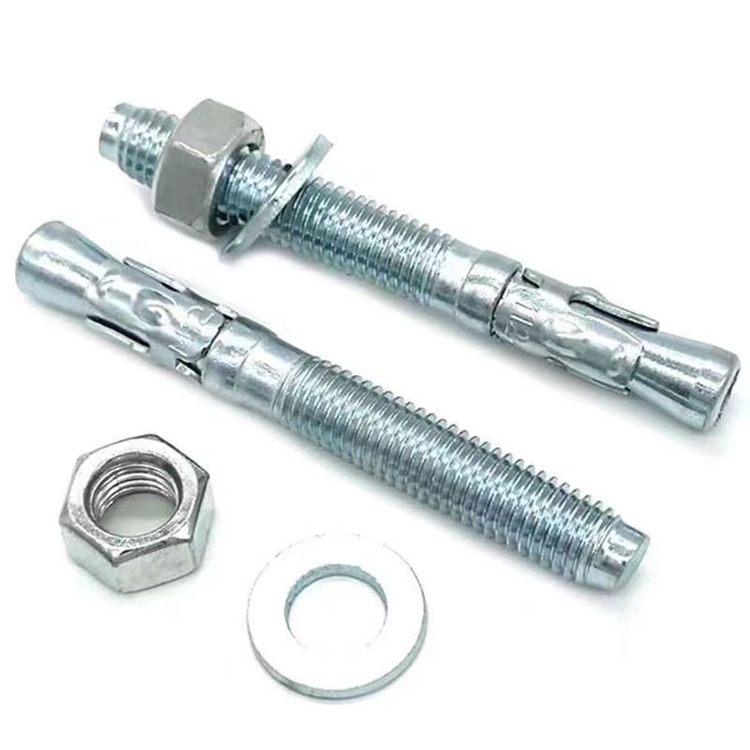
DIN 960 hex bolts represent a standardized metric fastener, primarily utilized in mechanical engineering applications requiring robust and consistent clamping force. These bolts, categorized within the broader family of hex head bolts, conform to Deutsches Institut für Normung (DIN) standards, specifically DIN 960, defining dimensions, material properties, and performance characteristics. They are employed extensively across industries including automotive, construction, machinery, and infrastructure. This guide details the material science, manufacturing processes, performance parameters, potential failure modes, and relevant industry standards associated with DIN 960 hex bolts, serving as a technical resource for engineers, procurement specialists, and quality control personnel. A key industry pain point is ensuring consistent material traceability and adherence to specifications to prevent catastrophic failures in critical applications. The partial thread length distinguishes DIN 960 bolts, making them suitable where a reduced shank length is advantageous for clearance or cost reduction.
Material Science & Manufacturing
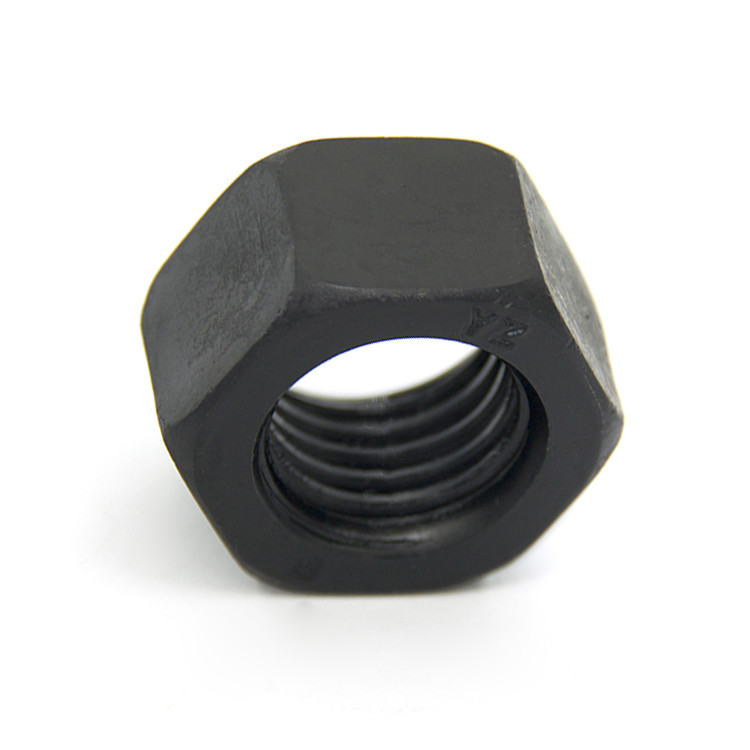
DIN 960 bolts are commonly manufactured from carbon steel, alloy steel, and stainless steel grades. Carbon steels like Q235, 4.8, 8.8 and 10.9 (representing tensile strength classes) are prevalent due to their cost-effectiveness and sufficient strength for many applications. Alloy steels, incorporating elements like chromium, molybdenum, and manganese, enhance properties such as hardenability, toughness, and corrosion resistance. Stainless steels (A2, A4) provide superior corrosion resistance, suitable for harsh environments. The raw material undergoes initial processing, including billet preparation and wire drawing, to achieve the required dimensions. Manufacturing processes primarily involve cold forging. This process offers advantages in terms of material grain flow alignment (enhancing strength) and dimensional accuracy. After forging, the bolts undergo thread rolling, a cold-forming process that produces accurate and work-hardened threads. Heat treatment is critical, involving processes like quenching and tempering, to achieve the specified mechanical properties. Surface treatments, such as zinc plating, galvanizing, or black oxide coating, enhance corrosion resistance and improve aesthetic appearance. Parameter control during heat treatment (temperature, time, cooling rate) is vital to avoid microstructural defects like martensite formation, which can lead to brittleness. Quality control checks include hardness testing, tensile strength testing, and dimensional verification at each stage.
Performance & Engineering
The performance of DIN 960 hex bolts is governed by several engineering principles. Tensile strength represents the maximum stress the bolt can withstand before fracturing under tension. Yield strength defines the stress at which permanent deformation begins. Proof load is the maximum tension load that can be applied without causing permanent deformation. These parameters are critical for determining the bolt’s load-carrying capacity. Shear strength is essential in applications where the bolt is subjected to shear forces, such as in bolted joints. The torque-tension relationship dictates the clamping force achieved for a given tightening torque. Factors influencing clamping force include thread friction coefficient, bolt material, and surface finish. Environmental resistance is crucial; corrosion can significantly reduce bolt strength. Factors like humidity, temperature, and exposure to corrosive chemicals impact corrosion rates. Compliance requirements are dictated by industry-specific standards and regulations. For example, in the automotive industry, bolts must meet stringent fatigue resistance requirements. In aerospace applications, traceability and material certifications are paramount. The partial thread design contributes to reduced stress concentration in the threaded region, improving fatigue life compared to fully threaded bolts. Proper preloading is essential; insufficient preload can lead to joint loosening, while excessive preload can cause bolt failure. Force analysis, often utilizing Finite Element Analysis (FEA), is employed to optimize bolt design and predict performance under various loading conditions.
Technical Specifications
| Diameter (mm) | Thread Pitch (mm) | Partial Thread Length (mm) | Tensile Strength Class |
|---|---|---|---|
| M6 | 1.0 | 16 | 4.8 |
| M8 | 1.25 | 22 | 8.8 |
| M10 | 1.5 | 28 | 10.9 |
| M12 | 1.75 | 33 | 4.8 |
| M16 | 2.0 | 42 | 8.8 |
| M20 | 2.5 | 50 | 10.9 |
Failure Mode & Maintenance
DIN 960 hex bolts can fail through several modes. Fatigue cracking occurs due to cyclical loading, initiating at stress concentration points (e.g., thread roots, under head). Corrosion is a significant factor, particularly in exposed environments, leading to pitting corrosion and reduced cross-sectional area. Hydrogen embrittlement can occur in high-strength steels exposed to hydrogen-containing environments, causing brittle fracture. Shear failure occurs when the shear stress exceeds the bolt’s shear strength. Stripping of threads can occur due to improper tightening or material incompatibility. Over-tightening can lead to bolt elongation and eventual fracture. Maintenance strategies include regular inspection for corrosion, cracks, and thread damage. Lubrication of threads reduces friction and prevents galling during tightening and loosening. Applying the correct tightening torque is crucial; using calibrated torque wrenches ensures accurate preload. Replacing bolts showing signs of corrosion or damage is essential. Protective coatings, like zinc plating, should be reapplied if damaged. Implementing a preventative maintenance schedule, based on operational conditions and environmental exposure, can significantly extend bolt lifespan. Periodic non-destructive testing (NDT) methods, such as ultrasonic testing, can detect internal flaws before they lead to catastrophic failure.
Industry FAQ
Q: What is the significance of the tensile strength class (e.g., 8.8, 10.9) on a DIN 960 bolt?
A: The tensile strength class indicates the bolt's ultimate tensile strength and yield strength. A higher number signifies greater strength. For example, a 10.9 bolt has a higher tensile strength and yield strength than an 8.8 bolt, making it suitable for applications requiring higher load-carrying capacity. The first number (e.g., 8 or 10) represents the ultimate tensile strength in MPa divided by 100, while the second number represents the yield strength as a percentage of the ultimate tensile strength.
Q: How does the partial thread length of a DIN 960 bolt affect its performance compared to a fully threaded bolt?
A: The partial thread length reduces the stress concentration in the threaded region, which can improve fatigue life. It also offers advantages in applications where a reduced shank length is needed for clearance or cost savings. However, it’s crucial to ensure sufficient thread engagement for adequate load transfer.
Q: What surface treatments are commonly applied to DIN 960 bolts, and what are their benefits?
A: Common surface treatments include zinc plating, galvanizing, and black oxide coating. Zinc plating provides sacrificial corrosion protection, while galvanizing offers a thicker protective layer for enhanced corrosion resistance. Black oxide coating provides a mild level of corrosion resistance and improves aesthetic appearance. The choice of treatment depends on the application environment and desired level of protection.
Q: What are the potential consequences of improper tightening torque on a DIN 960 bolt?
A: Insufficient tightening torque can lead to joint loosening and potential failure. Excessive tightening torque can cause bolt elongation, yielding, or fracture. Using a calibrated torque wrench and following the manufacturer’s recommended torque specifications are crucial for ensuring proper clamping force and preventing premature failure.
Q: What materials are best suited for DIN 960 bolts used in corrosive environments?
A: Stainless steel grades (A2, A4) are best suited for corrosive environments due to their superior corrosion resistance. Alloy steels with protective coatings like galvanizing can also be used, but their corrosion resistance is typically lower than that of stainless steel. Material selection should consider the specific corrosive agents present in the environment.
Conclusion
DIN 960 hex bolts represent a critical fastening component in a wide range of engineering applications. Their standardized dimensions, combined with the availability of diverse material grades and surface treatments, make them versatile and reliable. Understanding the material science, manufacturing processes, and performance characteristics of these bolts is crucial for ensuring optimal performance and preventing failures. Proper selection of material, accurate tightening torque, and regular maintenance are paramount for maximizing bolt lifespan and maintaining the integrity of bolted joints.
Future developments may focus on incorporating advanced materials and coatings to enhance corrosion resistance and fatigue life. Digitalization, including the use of smart bolts with embedded sensors for monitoring preload and detecting corrosion, could offer predictive maintenance capabilities. Furthermore, advancements in FEA and simulation tools will allow for more accurate prediction of bolt performance under complex loading conditions, leading to optimized designs and increased safety.