
Introduction
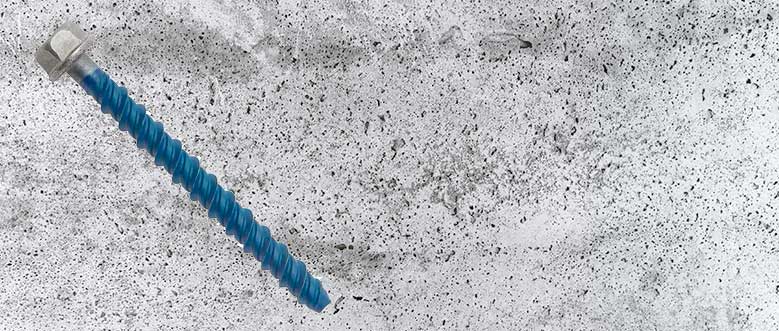
Carriage bolts, specifically designed for wood connections, represent a critical fastening element in a vast array of structural and non-structural applications. Unlike machine bolts which typically pass through pre-tapped holes, carriage bolts possess a unique head geometry – a smooth, rounded underside – that prevents them from pulling through the material when tightened. Their position within the construction industry chain is fundamental, acting as a core component alongside lumber, engineered wood products, and structural adhesives. Core performance characteristics center around shear strength, tensile strength, and resistance to withdrawal under load. A primary industry pain point revolves around ensuring consistent load-bearing capacity across varying wood species and ensuring longevity in exposed environments, mitigating corrosion and wood degradation. Proper specification and installation are paramount to prevent connection failure and maintain structural integrity.
Material Science & Manufacturing
Carriage bolts are predominantly manufactured from medium carbon steel (typically SAE 1018 or equivalent), offering a balance of strength, ductility, and cost-effectiveness. The steel's chemical composition is meticulously controlled, with carbon content ranging from 0.15% to 0.30% to achieve the desired mechanical properties. Manufacturing begins with hot rolling or cold drawing of steel wire into the bolt’s cylindrical shape. The head is then formed through forging or cold heading, followed by machining to achieve the characteristic rounded underside. Thread rolling, a cold-forming process, creates the Unified National Coarse (UNC) threads. A critical parameter is thread pitch accuracy; deviations can compromise clamping force. Surface treatments, such as zinc plating or hot-dip galvanization, are applied to enhance corrosion resistance. The zinc coating’s thickness and uniformity are key control points. Wood species play a crucial role; hardwoods require higher bolt strength due to their density and potential for splitting. Chemical compatibility between the bolt coating and wood preservatives (e.g., ACQ, CCA) is also critical. Incompatible combinations can lead to accelerated corrosion of the bolt or degradation of the wood treatment.
Performance & Engineering
The performance of carriage bolts in wood connections is fundamentally governed by shear and withdrawal forces. Shear force, acting parallel to the wood grain, is resisted by the bolt shank and the surrounding wood fibers. Withdrawal force, acting perpendicular to the wood grain, is resisted by friction between the bolt shank and the wood, as well as by the compressive strength of the wood. Force analysis requires consideration of the wood species, moisture content, and grain orientation. Environmental resistance is a major concern, particularly in exposed applications. Corrosion, caused by atmospheric moisture and chemical agents, weakens the bolt material, reducing its load-bearing capacity. Wood degradation, due to fungal decay or insect infestation, compromises the integrity of the wood around the bolt, decreasing withdrawal resistance. Compliance requirements are dictated by building codes (e.g., IBC, Eurocode 5) and industry standards (see section 7). These codes specify minimum bolt strength requirements, allowable stress levels, and recommended installation practices. Functional implementation necessitates proper hole sizing; holes that are too large reduce withdrawal resistance, while holes that are too small can cause wood splitting. Proper tightening torque is crucial to achieve adequate clamping force without damaging the wood.
Technical Specifications
| Diameter (in) | Length (in) | Material | Minimum Tensile Strength (PSI) |
|---|---|---|---|
| 1/4 | 1-1/2 | SAE 1018 Steel | 70,000 |
| 5/16 | 2 | SAE 1018 Steel | 70,000 |
| 3/8 | 2-1/2 | SAE 1018 Steel | 70,000 |
| 1/2 | 3 | SAE 1018 Steel | 70,000 |
| 5/8 | 3-1/2 | SAE 1018 Steel | 70,000 |
| 3/4 | 4 | SAE 1018 Steel | 70,000 |
Failure Mode & Maintenance
Carriage bolt failures in wood connections commonly manifest as shear failure, withdrawal failure, or corrosion-induced failure. Shear failure occurs when the bolt shank exceeds its shear strength, typically due to excessive load or material defects. Withdrawal failure arises when the bolt is pulled out of the wood, caused by insufficient embedment depth, weakened wood fibers, or excessive withdrawal force. Corrosion, particularly in untreated steel bolts, leads to a reduction in cross-sectional area, diminishing both tensile and shear strength. Fatigue cracking can also occur under cyclic loading, initiating at stress concentrations near the bolt head or threads. Delamination of wood around the bolt can reduce withdrawal resistance. Oxidation of the steel surface forms rust, accelerating corrosion. Maintenance involves periodic inspection for signs of corrosion, wood decay, or loosening. Corroded bolts should be replaced promptly. Wood around the bolt should be treated with appropriate preservatives to prevent decay. Re-tightening loose bolts can restore clamping force, but care must be taken not to overtighten and damage the wood. Consider using corrosion-resistant coatings (e.g., stainless steel, hot-dip galvanization) for applications in harsh environments. Properly sealed connections reduce moisture ingress and mitigate corrosion.
Industry FAQ
Q: What is the impact of wood moisture content on carriage bolt performance?
A: Wood moisture content significantly impacts carriage bolt performance. As wood dries, it shrinks, potentially loosening the bolt connection and reducing withdrawal resistance. Conversely, as wood absorbs moisture, it swells, increasing clamping force but potentially inducing stresses on the bolt. Therefore, it's crucial to account for expected moisture fluctuations in the design and select bolts and installation techniques appropriate for the service environment.
Q: What are the advantages of using stainless steel carriage bolts versus zinc-plated steel bolts?
A: Stainless steel carriage bolts offer superior corrosion resistance compared to zinc-plated steel bolts, particularly in harsh environments like marine or coastal applications. While more expensive, stainless steel eliminates the need for frequent replacement due to corrosion, resulting in lower lifecycle costs. Zinc plating provides a sacrificial layer of protection, but this layer can be depleted over time, exposing the steel to corrosion.
Q: How does hole diameter affect the withdrawal strength of a carriage bolt?
A: Hole diameter is a critical factor influencing withdrawal strength. A hole that is too large reduces the area of wood resisting withdrawal, significantly decreasing the bolt’s capacity to resist pull-out forces. A hole that is too small can cause splitting of the wood during installation. Industry standards specify recommended hole diameters based on bolt size and wood species.
Q: What is the recommended tightening torque for carriage bolts in softwood applications?
A: Recommended tightening torque varies depending on bolt size, wood species, and the desired clamping force. Overtightening can crush the wood fibers, reducing withdrawal resistance and potentially causing bolt failure. Undertightening results in a loose connection. Generally, for softwood applications, a torque wrench should be used to apply torque within the range specified by the bolt manufacturer or relevant building codes. A common starting point is 8-12 ft-lbs for 1/4" bolts, increasing proportionally with diameter.
Q: Are there specific coatings beyond galvanization that improve carriage bolt longevity in treated lumber applications?
A: Yes. While hot-dip galvanization is common, specialized coatings like epoxy or polyurethane coatings provide enhanced corrosion protection when used with treated lumber (ACQ, CCA). These coatings act as a barrier, preventing contact between the bolt and potentially corrosive chemicals in the wood treatment. Ensure the coating is specifically rated for compatibility with the wood preservative used.
Conclusion
Carriage bolts represent a time-tested and reliable fastening solution for wood connections. However, achieving optimal performance necessitates a thorough understanding of material science, manufacturing processes, and engineering principles. Factors such as wood species, moisture content, environmental conditions, and proper installation techniques all contribute significantly to the longevity and load-bearing capacity of these critical fasteners. Careful attention to these details is vital for maintaining structural integrity and preventing premature failure.
Looking forward, advancements in coating technologies and the development of corrosion-resistant alloys will likely further enhance the durability and reliability of carriage bolts. Continued research into wood-bolt interaction and the optimization of installation procedures will also play a key role in maximizing performance. By embracing these advancements and adhering to established industry standards, engineers and builders can ensure the safe and effective use of carriage bolts in a wide range of applications.