
Introduction
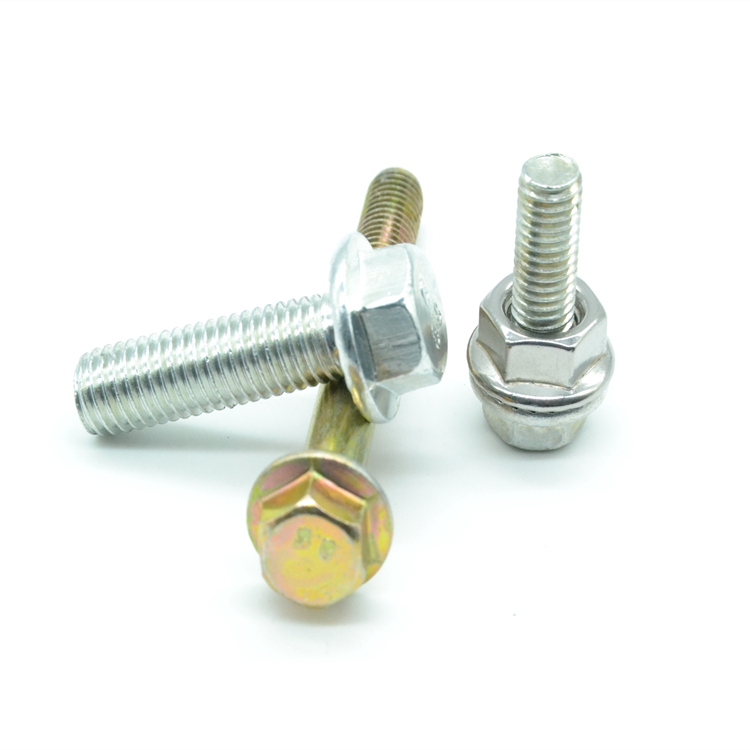
Bunk bed bolts are critical fastening components designed specifically for the structural integrity of bunk beds. Unlike general-purpose bolts, bunk bed bolts are engineered to withstand cyclical loading, shear forces, and potential dynamic impacts associated with user activity. Their technical position within the furniture manufacturing supply chain is as a key safety-critical element, falling under stringent regulatory scrutiny due to the potential for severe injury in the event of failure. Core performance characteristics include high tensile strength, shear resistance, fatigue endurance, and corrosion protection, all optimized for the specific demands of supporting elevated sleeping surfaces. The industry faces challenges related to material selection to balance cost with long-term reliability, manufacturing consistency to avoid premature failures, and increasingly stringent safety standards imposed by governing bodies.
Material Science & Manufacturing
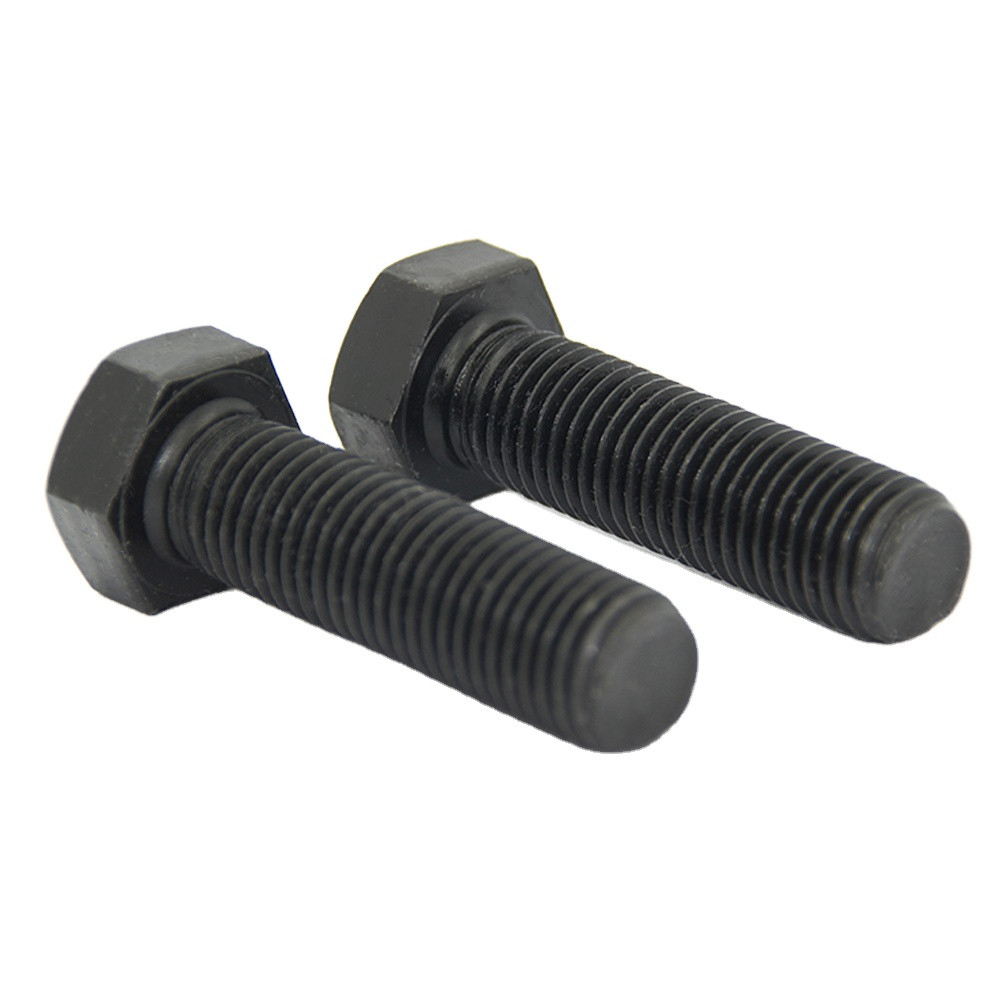
Bunk bed bolts are typically manufactured from medium carbon steel (AISI 1045, equivalent to GB/T 699-2015 45 steel) due to its balance of strength, ductility, and cost-effectiveness. The raw material undergoes rigorous quality control, including chemical composition analysis (ASTM E415) and mechanical property testing (ASTM E8). Manufacturing processes commonly involve cold forging followed by heat treatment. Cold forging increases the strength of the bolt through work hardening. Heat treatment, typically quenching and tempering, is crucial for achieving the desired hardness and toughness. Tempering prevents excessive brittleness that could lead to catastrophic failure. Surface treatments, such as zinc plating (ASTM B633) or black oxide coating (ASTM 1680), provide corrosion resistance. Thread rolling (ISO 68-1) is utilized to create precise threads, essential for proper clamping force. Key parameter control during manufacturing includes precise forging pressure, quenching medium temperature, tempering temperature, and coating thickness. Variations in these parameters directly impact the bolt’s mechanical properties and longevity. Hydrogen embrittlement, a potential issue during zinc plating, is mitigated through post-coating baking processes. Failure to control these processes results in inconsistencies in yield strength, tensile strength, and ultimately, compromised structural safety.
Performance & Engineering
The primary engineering concern for bunk bed bolts is fatigue failure. Repeated loading and unloading, induced by movement on the bed, creates cyclical stresses. Force analysis must consider both static loads (weight of occupants and bedding) and dynamic loads (impact from jumping or rolling). Shear stress is particularly critical at the bolt-wood interface. Bolt preload, the initial tension applied during tightening, is a crucial factor in preventing loosening and maximizing fatigue life. Insufficient preload reduces clamping force and increases susceptibility to shear failure, while excessive preload can lead to bolt stretching or stripping of threads. Environmental resistance is also vital. Moisture exposure can accelerate corrosion, reducing bolt strength and increasing the risk of failure. Wood’s natural expansion and contraction with humidity changes can induce additional stress on the bolts. Compliance requirements are dictated by international standards like EN 747-1 (Safety requirements for bunk beds) and relevant national standards, which specify minimum bolt strength, material specifications, and testing procedures. Finite Element Analysis (FEA) is frequently used to model stress distribution and optimize bolt design for specific bunk bed configurations.
Technical Specifications
| Diameter (mm) | Material Grade | Tensile Strength (MPa) | Shear Strength (MPa) |
|---|---|---|---|
| M6 | AISI 1045 | 600-700 | 350-450 |
| M8 | AISI 1045 | 650-750 | 400-500 |
| M10 | AISI 1045 | 700-800 | 450-550 |
| M12 | AISI 1045 | 750-850 | 500-600 |
| Coating | Zinc Plating | Thickness (µm) | Corrosion Resistance (hours in salt spray) |
| 8-12 | 72-120 |
Failure Mode & Maintenance
Common failure modes for bunk bed bolts include fatigue cracking (initiated at stress concentration points, like thread roots), shear failure (at the bolt-wood interface), stripping of threads (due to excessive tightening or material weakness), and corrosion-induced weakening. Fatigue cracking is often preceded by visible signs of stress corrosion cracking, particularly in humid environments. Shear failure occurs when the applied shear force exceeds the bolt’s shear strength. Stripped threads result from exceeding the yield strength of the wood or bolt material. Maintenance involves regular inspection (at least twice yearly) for signs of loosening, corrosion, or damage. Torque wrenches (calibrated to ISO 6789) should be used during re-tightening to ensure proper preload. Lubrication with a threadlocker (Loctite 242, or equivalent) can prevent loosening due to vibration. If corrosion is present, bolts should be replaced immediately. Replacement bolts must meet the original manufacturer’s specifications. Wood around the bolt holes should be inspected for cracks or deterioration, and repaired or reinforced as needed. Ignoring these maintenance procedures significantly increases the risk of catastrophic failure and potential injury.
Industry FAQ
Q: What is the optimal torque value for a M8 bunk bed bolt securing a pine bunk bed frame?
A: The optimal torque value depends on several factors, including the wood species, bolt grade, and presence of any lubrication. However, a general recommendation for an M8 AISI 1045 bolt into pine is 20-25 Nm (Newton-meters). It’s crucial to use a calibrated torque wrench and avoid over-tightening, which can strip the wood fibers.
Q: How does the wood type affect the holding power of a bunk bed bolt?
A: Harder wood types, like oak or maple, offer significantly greater holding power than softer woods like pine or fir. This is because harder woods resist compression and deformation around the bolt hole, providing greater clamping force. When using softer woods, larger diameter bolts or reinforcing washers can be used to improve holding power.
Q: What is the significance of the bolt's proof load?
A: The proof load represents the maximum tensile stress a bolt can withstand without permanent deformation. It’s a critical parameter for ensuring that the bolt can maintain its clamping force under load. The proof load should be significantly higher than the expected service load experienced in a bunk bed application.
Q: What are the risks associated with using stainless steel bolts in a bunk bed application?
A: While stainless steel offers excellent corrosion resistance, certain grades (like 304) may have lower tensile and shear strength compared to carbon steel. Additionally, stainless steel is prone to galling, which can make loosening and re-tightening difficult. Selecting the correct grade (e.g., 316) and using anti-seize lubricant are essential if stainless steel is used.
Q: How important is the bolt’s surface finish in preventing failure?
A: The surface finish plays a crucial role in preventing corrosion and fatigue. Zinc plating provides a sacrificial layer of protection against corrosion. A smooth surface finish also minimizes stress concentration points, reducing the risk of fatigue cracking. Proper coating thickness and adhesion are essential for long-term performance.
Conclusion
Bunk bed bolts represent a deceptively complex engineering component. Their function transcends simple fastening; they are integral to the structural safety of a piece of furniture intended to withstand significant and repetitive stress. Achieving reliable performance requires careful consideration of material science, manufacturing processes, and engineering principles, including a thorough understanding of load distribution, fatigue behavior, and environmental factors. The selection of appropriate materials, precise manufacturing controls, and adherence to stringent industry standards are paramount to preventing failures and ensuring user safety.
Future developments may focus on advanced materials, such as high-strength alloy steels and polymer composites, to further enhance bolt performance and reduce weight. Improved coating technologies will contribute to enhanced corrosion resistance and extended service life. Furthermore, the integration of smart bolt technologies, incorporating sensors to monitor preload and detect potential failures, may offer proactive maintenance capabilities, enhancing the overall safety and reliability of bunk bed structures.