
Introduction
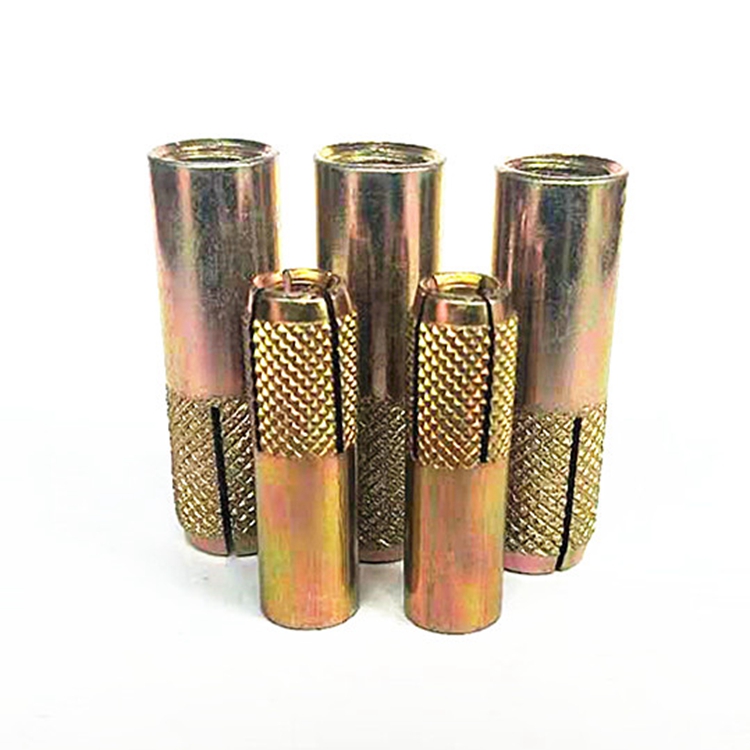
Brass nuts and bolts are threaded fasteners crafted from brass alloys, typically consisting of copper and zinc. They occupy a critical position within the mechanical fastening supply chain, serving a broad spectrum of industries including plumbing, electrical engineering, automotive, and instrumentation. Unlike steel fasteners which often require protective coatings, brass inherently provides corrosion resistance, particularly in environments exposed to water. Core performance characteristics include tensile strength, yield strength, corrosion resistance, and conductivity – factors which dictate their suitability for specific applications. A key industry pain point revolves around consistent alloy composition, as variations directly impact mechanical properties and corrosion performance. Another concern is galvanic corrosion when brass fasteners are used in conjunction with dissimilar metals. This guide will provide an in-depth technical examination of brass nuts and bolts, covering material science, manufacturing processes, performance parameters, failure modes, and relevant industry standards.
Material Science & Manufacturing
The dominant brass alloys used in nut and bolt production are C36000 (Free-Cutting Brass), C26000 (Cartridge Brass), and C46400 (Naval Brass). C36000, characterized by higher lead content, exhibits excellent machinability, facilitating high-volume production of intricate bolt geometries. However, the lead content limits its use in potable water systems. C26000 offers superior ductility and formability, making it suitable for cold heading processes. Naval Brass (C46400) incorporates tin for enhanced seawater corrosion resistance, a vital attribute in marine applications. Raw material sourcing and alloy purity are paramount. Impurities like iron can impact ductility and corrosion resistance.
Manufacturing processes commonly employed include hot forging, cold heading, and machining. Hot forging is used for larger bolts requiring high strength. The process involves heating the brass billet to its plastic deformation temperature and then shaping it under compressive force. Cold heading, suitable for smaller diameter fasteners, utilizes a metal forming process at room temperature, improving material strength through work hardening. Critical parameters in cold heading include die design, lubrication, and impact force. Machining, often following forging or heading, refines dimensions and creates threads. Thread rolling is preferred over thread cutting as it induces compressive residual stresses, enhancing fatigue life. Precise control of cutting speed, feed rate, and coolant application are crucial to prevent work hardening and maintain dimensional accuracy. Quality control measures, including chemical composition analysis (spectroscopy), hardness testing (Rockwell or Brinell), and microstructural examination (metallography) are essential throughout the manufacturing process.
Performance & Engineering
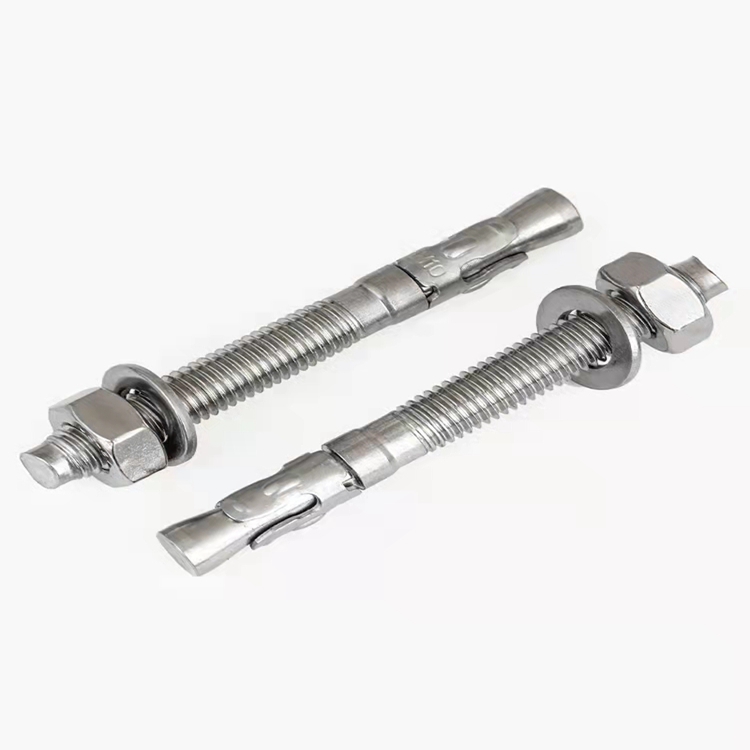
The performance of brass nuts and bolts is heavily influenced by applied load, environmental conditions, and material properties. Force analysis dictates the required fastener size and grade based on tensile load, shear load, and prevailing torque. Tensile strength, typically ranging from 40,000 to 80,000 psi depending on alloy, determines the maximum tensile stress the fastener can withstand before fracture. Yield strength, generally lower than tensile strength, indicates the stress at which permanent deformation occurs. Shear strength, crucial in bolted joint applications, represents the fastener’s resistance to shearing forces.
Environmental resistance is a key consideration. While brass exhibits good corrosion resistance, exposure to certain environments can initiate corrosion. Chlorides, particularly in marine environments, can cause localized pitting corrosion. Ammonia and sulfur compounds can also promote tarnishing and degradation. Galvanic corrosion, occurring when brass is coupled with a more noble metal (e.g., stainless steel), accelerates corrosion of the brass fastener. Proper material selection and the use of insulating materials can mitigate this effect. Compliance requirements vary depending on the application. For plumbing applications, lead content must comply with Safe Drinking Water Act regulations. For electrical applications, conductivity must meet relevant standards (e.g., UL certifications). Functional implementation requires accurate torque application. Over-torquing can lead to stripping of threads or fastener failure, while under-torquing can result in joint loosening. Torque-tension relationships, established through testing, provide guidelines for optimal torque values.
Technical Specifications
| Alloy Designation | Tensile Strength (psi) | Yield Strength (psi) | Hardness (Rockwell B) |
|---|---|---|---|
| C36000 (Free-Cutting Brass) | 65,000 - 85,000 | 30,000 - 45,000 | 65 - 85 |
| C26000 (Cartridge Brass) | 70,000 - 90,000 | 35,000 - 50,000 | 75 - 90 |
| C46400 (Naval Brass) | 80,000 - 100,000 | 40,000 - 60,000 | 80 - 100 |
| Thread Standards | UNC (Unified National Coarse) | UNF (Unified National Fine) | Metric (ISO 6150) |
| Corrosion Resistance (Salt Spray Test) | C36000: 24-72 hours | C26000: 48-96 hours | C46400: 120-240 hours |
| Electrical Conductivity (% IACS) | C36000: 26% | C26000: 36% | C46400: 30% |
Failure Mode & Maintenance
Brass nuts and bolts are susceptible to several failure modes. Fatigue cracking, induced by cyclic loading, can initiate at stress concentration points (e.g., thread roots). Creep, a time-dependent deformation under sustained load, can occur at elevated temperatures. Galvanic corrosion, as previously discussed, accelerates degradation in dissimilar metal couplings. Dezincification, a selective leaching of zinc from the alloy, leaves a porous copper residue, weakening the fastener. Stress corrosion cracking, a synergistic effect of tensile stress and corrosive environment, can lead to sudden fracture. Thread stripping, resulting from over-torquing or improper material compatibility, compromises joint integrity.
Preventive maintenance strategies include periodic inspection for corrosion, cracking, and thread damage. Regular cleaning to remove corrosive contaminants is crucial. Applying anti-seize compounds can prevent galling and facilitate disassembly. Using compatible materials in bolted joints minimizes galvanic corrosion. Proper torque control during installation prevents over-tightening and thread stripping. When replacing fasteners, ensure the new fasteners match the original specifications in terms of alloy, size, and grade. For severely corroded fasteners, complete replacement is recommended. In applications prone to fatigue, consider using locking mechanisms (e.g., lock washers, thread lockers) to maintain joint integrity. Ultrasonic testing and dye penetrant inspection can detect internal cracks and surface flaws, respectively.
Industry FAQ
Q: What is the primary difference between C36000 and C26000 brass in the context of fastener applications?
A: C36000 (Free-Cutting Brass) prioritizes machinability due to its higher lead content, making it ideal for high-volume production of complex shapes. However, the lead content restricts its use in potable water systems. C26000 (Cartridge Brass) offers superior ductility and cold-forming characteristics, suitable for applications requiring strong and flexible fasteners, but generally requires more machining effort.
Q: How does the zinc content in brass affect its corrosion resistance?
A: Generally, increasing zinc content improves corrosion resistance up to a certain point. However, excessive zinc can lead to dezincification, where zinc selectively leaches from the alloy, weakening the structure. Naval brass (C46400) adds tin to further enhance seawater resistance.
Q: What steps can be taken to prevent galvanic corrosion when using brass fasteners with steel components?
A: The most effective approach is to select fasteners made from a more corrosion-resistant alloy compatible with the steel. Alternatively, use insulating materials (e.g., nylon washers, plastic sleeves) to electrically isolate the brass fastener from the steel component. Applying a protective coating to the steel can also reduce the corrosion rate.
Q: What are the implications of exceeding the recommended torque specifications for brass bolts?
A: Exceeding the recommended torque can lead to thread stripping, permanently damaging the fastener and the mating component. It can also induce plastic deformation in the bolt, reducing its clamping force and potentially leading to failure under load. Always use a calibrated torque wrench and adhere to the manufacturer’s torque specifications.
Q: How does temperature affect the mechanical properties of brass fasteners?
A: Elevated temperatures generally reduce the strength and hardness of brass. At sufficiently high temperatures, creep can become a significant concern. Conversely, low temperatures can increase brittleness, making the fasteners more susceptible to fracture under impact loads. The specific temperature effects depend on the brass alloy composition.
Conclusion
Brass nuts and bolts represent a versatile fastening solution, offering a compelling balance of strength, corrosion resistance, and machinability. The selection of the appropriate brass alloy – C36000, C26000, or C46400 – is critical, dictated by application-specific requirements relating to load, environment, and regulatory compliance. Understanding the manufacturing processes, particularly the impact of cold heading and machining parameters, is essential for ensuring consistent product quality and performance.
Ongoing research focuses on developing brass alloys with enhanced corrosion resistance and improved mechanical properties. Advanced manufacturing techniques, such as additive manufacturing, may enable the creation of complex fastener geometries tailored to specific applications. Continued emphasis on preventative maintenance, including regular inspection and proper torque control, will remain vital for maximizing the service life and reliability of brass fasteners in diverse industrial settings.