
Introduction
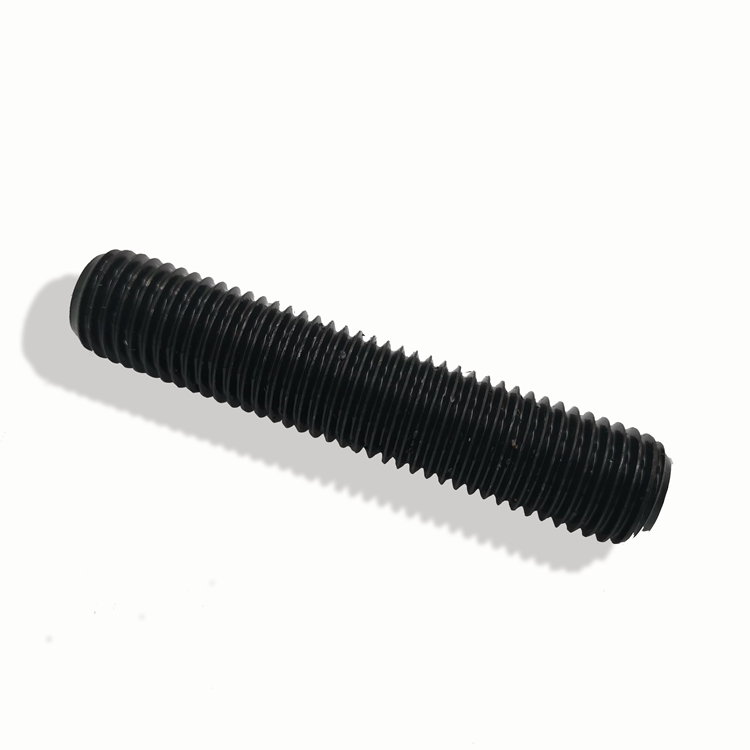
Captive bolts, also known as shoulder bolts or stripper bolts, are fastening elements comprised of a bolt and a retaining washer, permanently assembled as a unit. Their primary function is to provide secure fastening, preventing the bolt from being fully removed from the assembly, which is critical in applications demanding tamper-resistance or preventing loss of components. Within the industrial chain, captive bolts represent a specialized segment of the fastener industry, bridging the gap between standard bolting solutions and highly engineered security fasteners. Core performance characteristics include shear strength, tensile strength, corrosion resistance, and consistent retaining force of the washer, directly influencing the reliability and longevity of the assembled product. Industries relying heavily on captive bolts include automotive, aerospace, medical device manufacturing, and electronics, where component security and assembly integrity are paramount. The increasing demand for lightweighting, coupled with stringent safety regulations, drives the continued evolution of captive bolt design and materials.
Material Science & Manufacturing
The typical raw materials for captive bolts are stainless steel (304, 316, 410), carbon steel (often with zinc or cadmium plating for corrosion resistance), and aluminum alloys (6061-T6, 7075-T6). Stainless steel offers excellent corrosion resistance and is preferred in hygienic applications like medical devices. Carbon steel provides higher strength at a lower cost, but requires protective coatings. Aluminum alloys are chosen for lightweight applications. The retaining washer is commonly made from spring steel (SAE 675) or beryllium copper, offering the necessary spring force for secure retention.
Manufacturing processes involve several key steps. Bolt bodies are often formed through cold heading, a process that increases material strength due to work hardening. Threads are typically rolled, rather than cut, to enhance fatigue resistance. The washer is manufactured through stamping or wire forming. The critical assembly process involves precisely calibrating the interference fit between the bolt shoulder and the washer’s internal diameter. This requires specialized machinery capable of applying consistent force to ensure proper retention without damaging the components. Parameter control during cold heading includes die temperature, lubrication, and feed rate, all of which impact material flow and dimensional accuracy. Thread rolling parameters – roll speed, pressure, and die profile – influence thread form and surface finish. Quality control includes dimensional inspection, hardness testing, and corrosion testing (salt spray testing according to ASTM B117) to ensure compliance with specifications.
Performance & Engineering
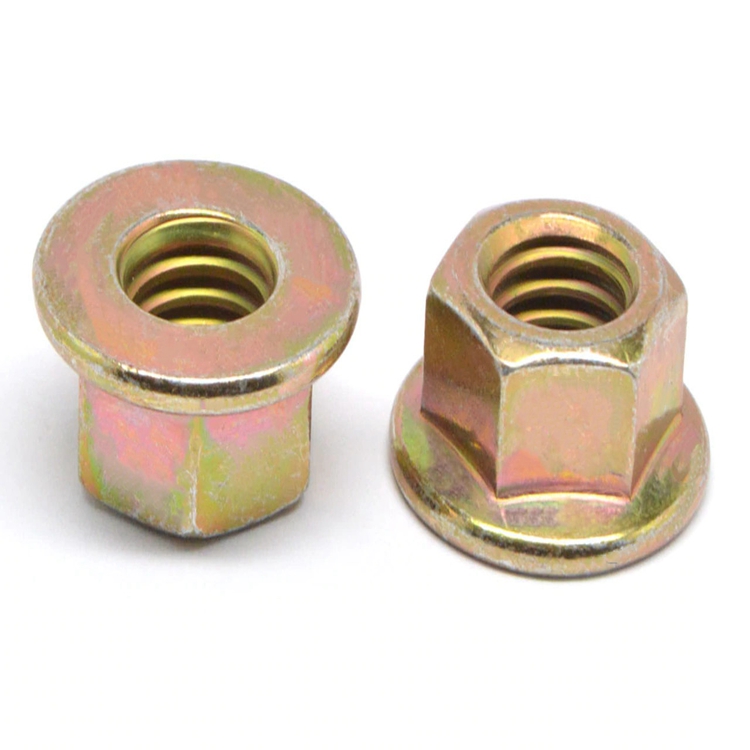
The performance of captive bolts is fundamentally governed by force analysis. Shear forces are particularly important in applications where the bolt is subject to lateral loads. Tensile forces are critical for evaluating the bolt’s ability to withstand pull-out. The design of the bolt shoulder and washer interface is optimized to maximize the retaining force while minimizing stress concentration. Finite element analysis (FEA) is frequently employed to model stress distribution and optimize geometry.
Environmental resistance is a crucial consideration. Exposure to corrosive environments (saltwater, chemicals) can lead to galvanic corrosion, especially if dissimilar metals are used. Coating selection (zinc, cadmium, PTFE) is vital to mitigate this risk. Temperature extremes can also affect performance; materials may lose strength or undergo thermal expansion. Compliance requirements vary by industry. Aerospace applications often adhere to stringent AS9100 standards, demanding full traceability and rigorous testing. Medical device manufacturing is subject to FDA regulations (21 CFR Part 820), requiring validation of manufacturing processes and biocompatibility of materials. Automotive applications follow standards set by organizations like the Automotive Industry Action Group (AIAG). Functional implementation often involves considerations of assembly automation. Captive bolts are well-suited for high-volume automated assembly lines due to their ease of handling and reduced risk of dropped components.
Technical Specifications
| Parameter | Stainless Steel (304) | Carbon Steel (Grade 5) - Zinc Plated | Aluminum Alloy (6061-T6) | Spring Steel (SAE 675) - Washer |
|---|---|---|---|---|
| Tensile Strength (MPa) | 500-700 | 830-1000 | 310-350 | 800-1000 |
| Shear Strength (MPa) | 345-480 | 415-550 | 170-200 | 400-550 |
| Corrosion Resistance (Salt Spray Hours - ASTM B117) | >1000 | >240 (Zinc Plated) | >24 (Anodized) | >72 (Passivated) |
| Retaining Force (N) | N/A (Bolt) | N/A (Bolt) | N/A (Bolt) | 50-150 (Typical Range) |
| Head Style | Pan, Flat, Hex | Pan, Flat, Hex | Pan, Flat, Hex | N/A (Washer) |
| Thread Type | UNC, UNF, Metric | UNC, UNF, Metric | UNC, UNF, Metric | N/A (Washer) |
Failure Mode & Maintenance
Captive bolts are susceptible to several failure modes. Fatigue cracking can occur under cyclic loading, particularly at the thread roots or the bolt shoulder. This is exacerbated by improper tightening or excessive vibration. Corrosion, particularly crevice corrosion around the washer-bolt interface, can weaken the assembly. Stripping of threads can occur due to over-tightening or using incompatible materials. The washer itself can lose its spring force over time (relaxation), reducing its retaining capability.
Maintenance strategies focus on preventative measures. Regular inspections for signs of corrosion, cracking, or thread damage are crucial. Proper tightening procedures, utilizing calibrated torque wrenches, are essential to avoid over-tightening. Lubrication with appropriate anti-seize compounds can prevent galling and facilitate disassembly if needed. In applications subject to harsh environments, periodic replacement of captive bolts based on a pre-determined schedule is recommended. For fatigue-critical applications, non-destructive testing methods, such as ultrasonic inspection or dye penetrant testing, can detect early signs of cracking. If failure occurs, a thorough root cause analysis is necessary to identify the underlying issue (e.g., material defect, improper assembly, excessive loading) and prevent recurrence. Replacement should always be performed with fasteners meeting the original specifications.
Industry FAQ
Q: What are the key differences between a captive bolt and a standard shoulder bolt?
A: The fundamental difference lies in the permanent assembly. A standard shoulder bolt is a discrete component, readily removable. A captive bolt incorporates a washer that’s permanently affixed, preventing complete removal. This ensures component security and reduces the risk of lost parts, making captive bolts ideal for applications requiring tamper-resistance or preventing disassembly.
Q: How does material selection impact the corrosion resistance of a captive bolt assembly?
A: Material selection is paramount. Stainless steel (304/316) offers superior corrosion resistance, suitable for harsh environments. Carbon steel requires protective coatings (zinc, cadmium) which can degrade over time. Using dissimilar metals (e.g., stainless steel bolt with aluminum washer) can create a galvanic corrosion cell, accelerating corrosion. The washer material also influences corrosion resistance; spring steel washers should be passivated.
Q: What torque specifications should be used when tightening captive bolts?
A: Torque specifications vary based on bolt size, material, and application. It is critical to consult the manufacturer’s recommendations or relevant industry standards (e.g., ISO 898-1). Over-tightening can strip threads or damage the washer, while under-tightening can compromise the retaining force. Using a calibrated torque wrench is essential for accurate tightening.
Q: What are the typical applications where captive bolts are preferred over other fastening methods?
A: Captive bolts excel in applications where component security is vital, such as automotive door hinges, medical device housings, aircraft access panels, and electronic enclosures. They are also favored in applications requiring tamper-resistance, preventing unauthorized disassembly. Their ability to simplify assembly processes makes them suitable for high-volume manufacturing.
Q: What testing is typically performed to ensure the quality and reliability of captive bolts?
A: Common tests include tensile testing (ASTM F606), shear testing (ASTM F963), hardness testing (Rockwell C scale), corrosion testing (ASTM B117 - salt spray), and dimensional inspection. For critical applications, fatigue testing and destructive testing are also performed to validate performance under cyclic loading. Washer retention force is also routinely tested.
Conclusion
Captive bolts represent a highly specialized fastening solution offering superior component security and tamper-resistance. Their design, material selection, and manufacturing processes are critical to achieving reliable performance in diverse industrial applications. Understanding the interplay between mechanical properties, environmental factors, and industry-specific compliance requirements is essential for effective integration.
The continued evolution of captive bolt technology will likely focus on lightweight materials, advanced coatings, and improved manufacturing techniques to meet the demands of increasingly complex assemblies. Further research into predictive failure analysis and non-destructive testing methods will contribute to enhanced reliability and reduced lifecycle costs. Proper selection, installation, and maintenance are crucial for maximizing the lifespan and performance of captive bolt assemblies.