
Introduction
Buttons and bolts, while seemingly simple fasteners, represent critical components across a vast spectrum of industries – from automotive and aerospace to consumer electronics and construction. This guide provides a comprehensive technical overview of these fasteners, examining their material science, manufacturing processes, performance characteristics, potential failure modes, and relevant industry standards. Their functionality extends beyond mere joining; they contribute to structural integrity, operational reliability, and safety in assembled products. The selection process, therefore, necessitates a deep understanding of mechanical properties, environmental considerations, and application-specific requirements. The increasing demand for lightweighting, corrosion resistance, and high-strength fastening solutions drives ongoing innovation in both materials and manufacturing techniques within this field. This document aims to serve as a resource for engineers, procurement specialists, and quality control personnel involved in the specification, application, and maintenance of buttons and bolts.
Material Science & Manufacturing
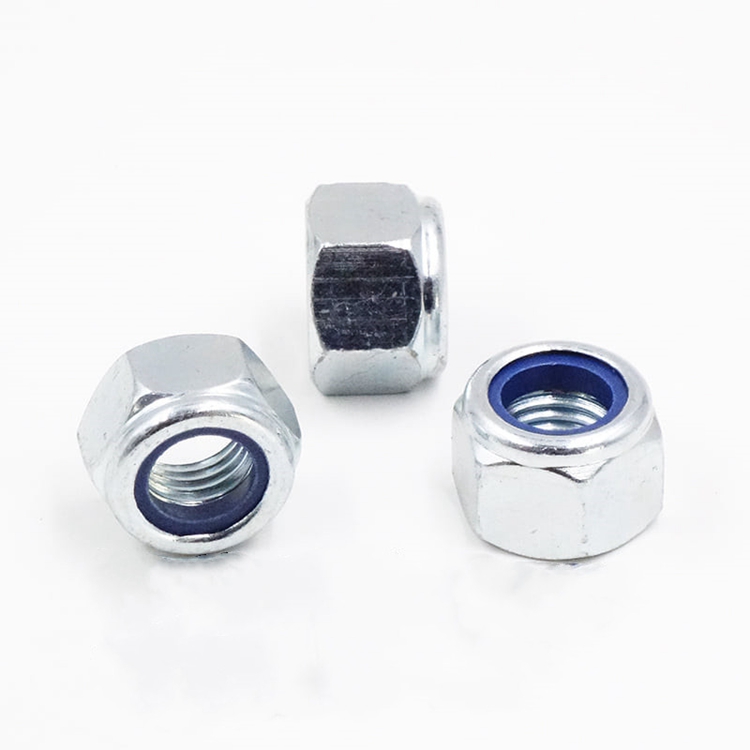
Buttons commonly utilize thermoplastic polymers like Polyoxymethylene (POM, known for its stiffness and low friction), Polybutylene Terephthalate (PBT, offering good chemical resistance), and Polypropylene (PP, prized for its low cost and flexibility). Manufacturing typically involves injection molding. Critical parameters include melt temperature, mold temperature, injection pressure, and cooling rate, all influencing the button’s dimensional accuracy, surface finish, and mechanical strength. Material selection depends on the intended application; for example, buttons in automotive interiors require UV resistance and high impact strength, while those in electronic devices must exhibit good electrical insulation properties. Bolt manufacturing predominantly employs carbon steel (AISI 1045, common for general-purpose applications), alloy steel (AISI 4140, offering increased strength and toughness), and stainless steel (304, 316, providing excellent corrosion resistance). The manufacturing process typically begins with hot forging or cold heading, followed by thread rolling. Heat treatment processes – such as quenching and tempering – are crucial for achieving desired mechanical properties like yield strength, tensile strength, and hardness. Surface treatments like zinc plating or passivation enhance corrosion resistance. The grain structure of the metal, influenced by forging and heat treatment, directly impacts fatigue life and fracture toughness. Thread pitch accuracy, achieved through precision thread rolling dies, is vital for ensuring proper bolt engagement and preventing stripping.
Performance & Engineering
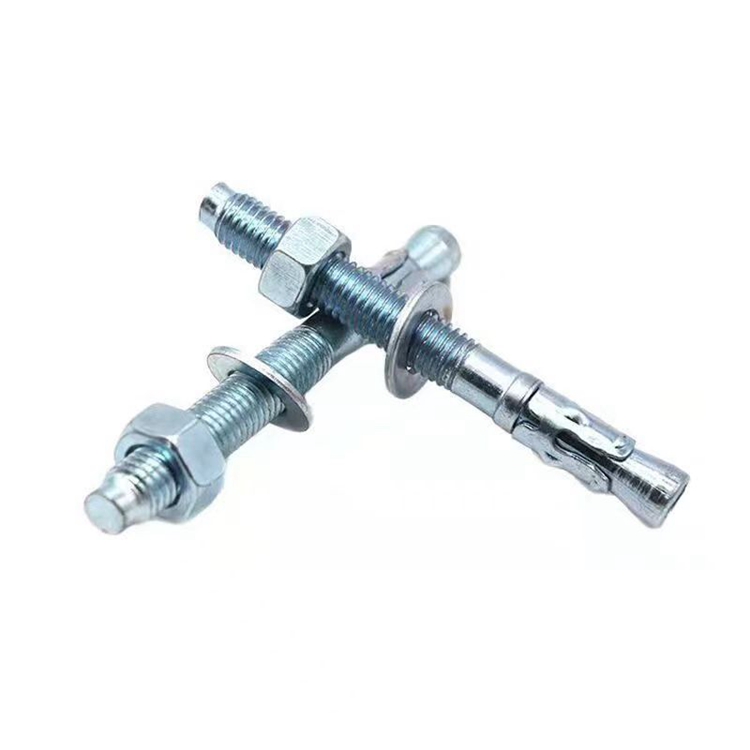
The performance of buttons and bolts is dictated by several key engineering principles. For bolts, tensile strength represents the maximum stress the bolt can withstand before fracturing under tension. Yield strength defines the stress at which permanent deformation begins. Shear strength is critical in applications involving transverse loads. Fatigue strength determines the bolt’s resistance to repeated loading and unloading, a crucial consideration in dynamic applications like automotive engines. Preload, the initial tension applied to the bolt during tightening, significantly impacts joint stability and fatigue life. The bolt’s proof load, the maximum tensile load that can be applied without causing permanent deformation, is a key design parameter. Buttons primarily experience tensile and shear stresses. Their performance relies on the polymer’s tensile modulus, elongation at break, and impact strength. Environmental resistance is paramount; prolonged exposure to UV radiation, chemicals, and temperature fluctuations can degrade polymer properties, leading to cracking or brittleness. The button's geometry – including its shank length, head diameter, and hole arrangement – influences its engagement with the fastened material and its resistance to pull-out forces. Compliance with standards such as RoHS and REACH is essential to ensure the absence of hazardous substances. Finite Element Analysis (FEA) is routinely employed to simulate stress distribution within bolted joints and button attachments, optimizing design and preventing failure.
Technical Specifications
| Parameter | Carbon Steel Bolt (AISI 1045) | Stainless Steel Bolt (304) | POM Button |
|---|---|---|---|
| Tensile Strength (MPa) | 620-860 | 500-700 | 50-70 |
| Yield Strength (MPa) | 310-550 | 205-310 | 30-50 |
| Elongation at Break (%) | 15-25 | 30-50 | 100-300 |
| Hardness (Rockwell C) | 20-35 | 20-30 | N/A |
| Corrosion Resistance | Low (requires coating) | High | Good (to many chemicals) |
| Operating Temperature (°C) | -30 to 200 | -200 to 600 | -40 to 80 |
Failure Mode & Maintenance
Bolts are susceptible to several failure modes. Fatigue cracking initiates at stress concentrations, often near thread roots or under bolt heads, and propagates under cyclic loading. Hydrogen embrittlement, caused by atomic hydrogen diffusing into the steel lattice, reduces ductility and promotes brittle fracture. Thread stripping occurs when the bolt is overtightened or subjected to excessive shear loads. Corrosion, particularly in harsh environments, weakens the bolt material and accelerates fatigue crack growth. Buttons can fail through tensile fracture, shear failure, or environmental stress cracking. UV degradation leads to embrittlement and cracking, while prolonged exposure to chemicals can cause swelling or dissolution. Proper maintenance of bolted joints includes periodic torque checks to ensure adequate preload and inspection for signs of corrosion or damage. Lubrication with anti-seize compounds minimizes corrosion and facilitates disassembly. For buttons, regular visual inspection for cracks or deformation is essential. Replacing degraded or damaged buttons promptly prevents further complications. Applying UV stabilizers to polymer buttons extends their service life in outdoor applications. Non-destructive testing methods, such as ultrasonic testing, can detect subsurface cracks in bolts before catastrophic failure occurs.
Industry FAQ
Q: What is the significance of bolt grade markings and how do they relate to mechanical properties?
A: Bolt grade markings (e.g., 8.8, 10.9, 12.9) indicate the material’s tensile strength and yield strength. The first number represents the ultimate tensile strength in hundreds of MPa, while the second number represents the yield strength as a percentage of the tensile strength. Higher grade markings signify higher strength and are selected based on the required load-bearing capacity of the joint.
Q: How does the choice of polymer affect the lifespan of a button exposed to outdoor conditions?
A: Polymers like polypropylene (PP) are susceptible to UV degradation, leading to embrittlement and discoloration. Polybutylene Terephthalate (PBT) offers better UV resistance. Adding UV stabilizers to the polymer formulation significantly extends the button’s lifespan in outdoor applications, preventing premature failure due to cracking or loss of mechanical properties.
Q: What is the role of thread locking compounds and when are they necessary?
A: Thread locking compounds (e.g., Loctite) prevent loosening of bolted joints due to vibration or thermal cycling. They fill the gaps between the threads, creating friction and preventing relative movement. These compounds are necessary in applications where joint integrity is critical, such as automotive engines and aerospace structures.
Q: What is the difference between coarse and fine threads on bolts and what are the advantages of each?
A: Coarse threads have fewer threads per inch, providing faster assembly and greater tolerance for damage. Fine threads have more threads per inch, offering greater resistance to loosening and higher clamping force. Fine threads are preferred in applications requiring high precision and vibration resistance.
Q: How does galvanic corrosion impact the selection of bolt and button materials in dissimilar metal applications?
A: Galvanic corrosion occurs when two dissimilar metals are in electrical contact in the presence of an electrolyte. The more active metal corrodes preferentially. To mitigate this, select materials with similar electrochemical potentials or use insulating washers to break the electrical connection. Stainless steel bolts are often used with aluminum components, but careful consideration of the specific alloy combinations is crucial.
Conclusion
The selection and application of buttons and bolts demand a thorough understanding of material science, manufacturing processes, and mechanical engineering principles. Proper material selection, coupled with appropriate manufacturing controls and diligent maintenance practices, is paramount for ensuring the reliability and longevity of assembled products. The ongoing development of new materials and manufacturing techniques continues to push the boundaries of fastener performance, enabling lighter, stronger, and more durable designs.
Future advancements will likely focus on smart fasteners incorporating sensors to monitor preload and detect potential failure modes. The increasing emphasis on sustainability will drive the adoption of bio-based polymers for buttons and the development of more environmentally friendly coatings for bolts. Continued research into corrosion protection mechanisms and fatigue-resistant materials will be critical for extending the service life of fasteners in demanding applications.