
Introduction
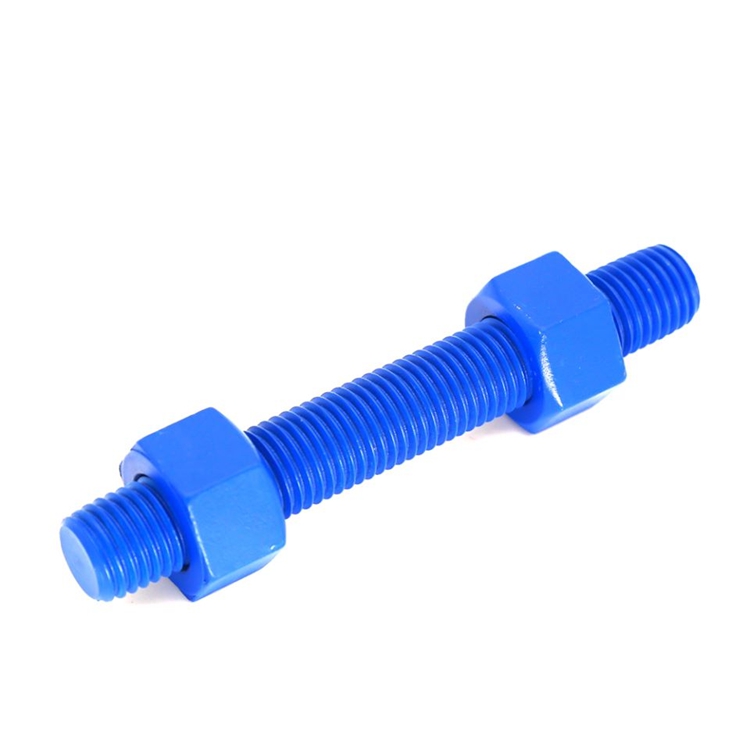
Full thread flange head bolts represent a critical fastening element in a wide range of industrial applications, particularly within pressure vessel fabrication, pipe flange connections, and structural steelwork. These bolts are characterized by a flange integrated directly beneath the bolt head, increasing the bearing surface and distributing load more effectively than standard bolts. The full thread extends along the entire shank length, maximizing engagement with the tapped hole. This design provides enhanced clamping force and resistance to loosening under vibration. Their technical position in the supply chain places them as a crucial component procured by engineering, procurement, and construction companies (EPCs), original equipment manufacturers (OEMs), and maintenance, repair, and operations (MRO) suppliers. Core performance metrics center on tensile strength, yield strength, proof load, and resistance to corrosion, directly impacting the structural integrity and operational longevity of the assembled system. A key industry pain point is ensuring consistent material traceability and adherence to stringent quality control standards to prevent catastrophic failures in critical applications.
Material Science & Manufacturing
The predominant material for full thread flange head bolts is carbon steel, alloy steel, and stainless steel, with material selection dictated by the operating environment and load requirements. Carbon steels (e.g., ASTM A193 Grade B7) are commonly used for general applications, offering a balance of strength and cost. Alloy steels (e.g., ASTM A193 Grade B16) provide increased strength and toughness for high-pressure and high-temperature services. Stainless steels (e.g., ASTM A193 Grade B8, 304, 316) are utilized in corrosive environments to prevent oxidation and maintain structural integrity. Manufacturing typically begins with hot forging of the bolt blank, followed by cold heading to form the flange and thread. Thread rolling is then employed to create the full threads, enhancing fatigue resistance compared to thread cutting. Key parameters controlled during manufacturing include forging temperature, cooling rate, thread pitch, and surface finish. Heat treatment, such as quenching and tempering, is critical to achieving the desired mechanical properties. Surface treatments like zinc plating, hot-dip galvanization, or PTFE coating are applied to enhance corrosion resistance. Non-destructive testing (NDT) methods, including magnetic particle inspection (MPI) and ultrasonic testing (UT), are employed to detect surface and subsurface defects.
Performance & Engineering
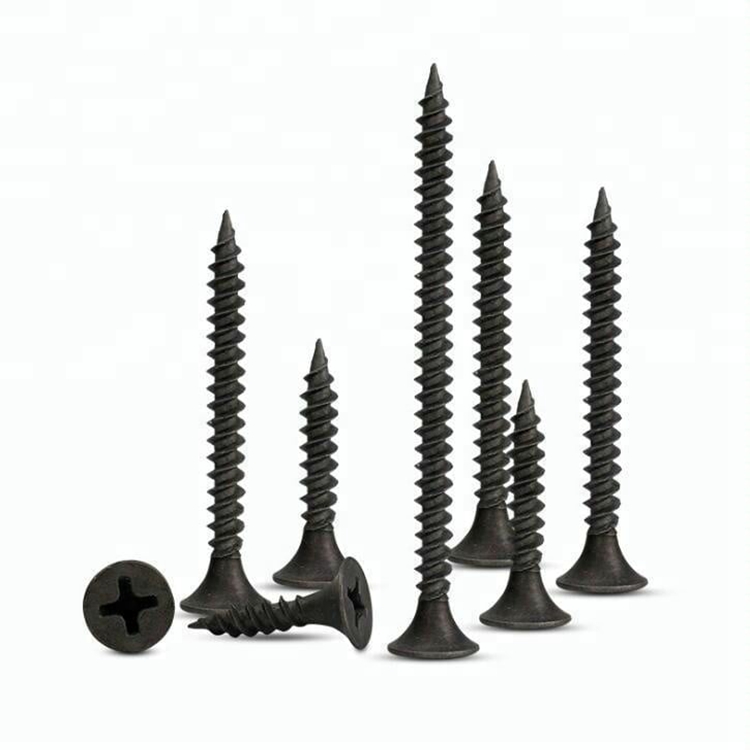
The performance of full thread flange head bolts is fundamentally governed by stress-strain relationships under tensile loading. Force analysis involves calculating the bolt preload, tensile stress, and shear stress, considering factors such as bolt diameter, thread area, and applied load. Environmental resistance is paramount; corrosion is a major failure mode, especially in marine or chemical processing environments. Galvanic corrosion can occur when dissimilar metals are used in contact. Hydrogen embrittlement is a concern for high-strength bolts in sour gas environments. Compliance requirements stem from industry codes and standards (detailed in the footer). Proper bolt tightening is crucial. Torque control methods, such as using calibrated torque wrenches or hydraulic tensioners, ensure accurate preload. Finite element analysis (FEA) is increasingly used to optimize bolt designs and predict stress distribution under complex loading scenarios. Flange head geometry influences the bearing stress on the connected materials. A larger flange area distributes the load more evenly, reducing the risk of crushing or deformation of the connected surfaces. Fatigue performance is a critical consideration in applications subjected to cyclic loading, requiring careful selection of material and surface finish.
Technical Specifications
| Diameter (mm) | Thread Pitch (mm) | Material Grade | Tensile Strength (MPa) |
|---|---|---|---|
| M8 | 1.25 | ASTM A193 B7 | 800 |
| M10 | 1.50 | ASTM A193 B7 | 800 |
| M12 | 1.75 | ASTM A193 B16 | 1000 |
| M16 | 2.00 | ASTM A193 B7 | 800 |
| M20 | 2.50 | ASTM A193 B16 | 1000 |
| M24 | 3.00 | ASTM A193 B8 | 800 |
Failure Mode & Maintenance
Common failure modes for full thread flange head bolts include fatigue cracking, thread stripping, hydrogen embrittlement, corrosion, and galling. Fatigue cracking initiates at stress concentrations, such as thread roots or flange surfaces, and propagates under cyclic loading. Thread stripping occurs when the tensile stress exceeds the shear strength of the thread material. Hydrogen embrittlement is a brittle fracture mechanism induced by the absorption of hydrogen into the bolt material, especially prevalent in high-strength bolts. Corrosion attacks the bolt material, reducing its cross-sectional area and tensile strength. Galling occurs due to friction and adhesion between mating threads, leading to seizure and damage. Maintenance involves regular inspection for signs of corrosion, cracks, or deformation. Bolt preload should be checked periodically and adjusted if necessary. Lubrication of threads during installation and periodic re-tightening can prevent galling and maintain preload. In corrosive environments, protective coatings should be inspected and repaired as needed. If a bolt exhibits signs of fatigue cracking or hydrogen embrittlement, it must be replaced immediately. Detailed records of bolt installation, maintenance, and replacement should be maintained to track performance and identify potential issues. Proper storage is essential; bolts should be protected from moisture and contamination.
Industry FAQ
Q: What is the significance of the full thread design compared to a partially threaded bolt in a flanged joint?
A: The full thread design provides increased engagement with the tapped hole, leading to higher clamping force and improved resistance to loosening under vibration. It also distributes stress more evenly along the thread length, reducing the risk of thread stripping, particularly in applications with frequent load fluctuations. A partially threaded bolt relies heavily on the strength of the unthreaded portion of the shank to resist tensile loads, making it less suitable for high-stress applications.
Q: How does material selection impact the long-term performance of these bolts in a corrosive environment?
A: Material selection is critical. Carbon steel bolts are susceptible to corrosion and require protective coatings. Alloy steels offer improved corrosion resistance, but may still require coatings in harsh environments. Stainless steel bolts (e.g., 316) provide excellent corrosion resistance in a wide range of environments, but are more expensive. The specific alloy must be chosen based on the chemical composition of the corrosive medium.
Q: What is the recommended torque for tightening a full thread flange head bolt, and what factors influence this value?
A: The recommended torque depends on the bolt diameter, material, thread pitch, and lubrication. Torque values are typically specified in the relevant industry standards or by the equipment manufacturer. Factors influencing the torque value include the desired preload, the friction coefficient between the threads and the mating surfaces, and the accuracy of the torque wrench. Hydraulic tensioning is preferred for critical applications as it provides more accurate preload control.
Q: What are the primary concerns regarding hydrogen embrittlement, and how can it be mitigated?
A: Hydrogen embrittlement is a concern for high-strength bolts exposed to sour gas environments or during electroplating processes. Hydrogen atoms diffuse into the bolt material, reducing its ductility and increasing its susceptibility to brittle fracture. Mitigation strategies include using materials with low hydrogen permeability, applying coatings to prevent hydrogen absorption, and performing post-plating heat treatments to drive out absorbed hydrogen.
Q: How important is Non-Destructive Testing (NDT) in ensuring the quality of these bolts, and what methods are commonly used?
A: NDT is crucial for detecting surface and subsurface defects that could compromise the bolt’s structural integrity. Commonly used methods include Magnetic Particle Inspection (MPI) for detecting surface cracks and discontinuities, Ultrasonic Testing (UT) for detecting internal flaws, and Liquid Penetrant Inspection (LPI) for detecting surface-breaking defects. Dye Penetrant testing is also used to determine surface imperfections.
Conclusion
Full thread flange head bolts are essential components in numerous critical industrial applications, requiring careful consideration of material science, manufacturing processes, and performance parameters. Their ability to provide secure and reliable fastening hinges on selecting the appropriate materials for the operating environment, controlling manufacturing parameters to achieve desired mechanical properties, and implementing proper installation and maintenance procedures. Understanding potential failure modes and employing preventative measures is paramount to ensuring long-term structural integrity and preventing catastrophic failures.
Looking ahead, advancements in material science, such as the development of higher-strength and more corrosion-resistant alloys, will continue to improve the performance of these bolts. Furthermore, the increasing use of digital technologies, including FEA and predictive maintenance analytics, will enable engineers to optimize bolt designs and proactively address potential issues. Continued adherence to rigorous quality control standards and industry best practices remains vital for maintaining the reliability and safety of critical infrastructure.
