
Introduction
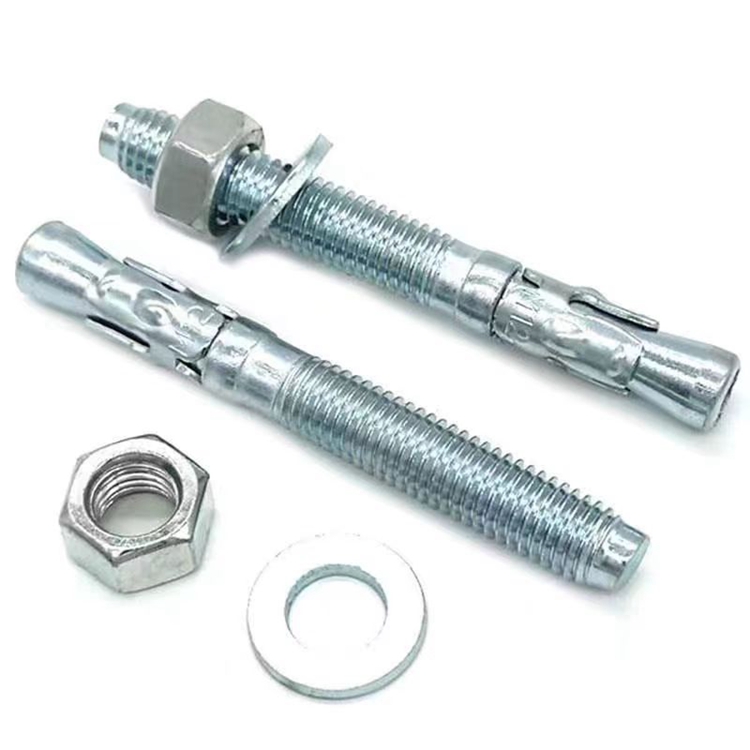
Shoulder bolts, also known as shoulder screws or struck bolts, are unique fasteners characterized by a cylindrical shoulder between the head and the threaded portion. This design facilitates precise positioning and rotational alignment in applications requiring constrained movement. Positioned within the broader fastener industry, shoulder bolts occupy a niche between standard bolts and specialized locating pins. Their core performance characteristics revolve around providing a low-friction bearing surface while maintaining secure clamping force. They are critical in applications spanning automotive, aerospace, industrial machinery, and moldmaking where precise alignment and smooth rotational movement are paramount. A key industry pain point is selecting the appropriate shoulder diameter and length to accommodate application tolerances and avoid stress concentrations, leading to premature failure. Another concern is material compatibility, ensuring the bolt material resists corrosion and wear within the operating environment.
Material Science & Manufacturing
Shoulder bolts are commonly manufactured from various materials including carbon steels (1045, 4140), alloy steels, stainless steels (304, 316, 17-4 PH), and brass. The material selection directly impacts mechanical properties like tensile strength, yield strength, hardness, and corrosion resistance. Carbon steels offer high strength at lower cost but are susceptible to corrosion. Alloy steels, often heat-treated, provide enhanced strength and toughness. Stainless steels excel in corrosion resistance, crucial for harsh environments. Brass provides good machinability and corrosion resistance in non-structural applications.
Manufacturing processes typically involve cold heading for smaller diameters, followed by machining operations like turning, milling, and grinding to achieve the final shoulder diameter and thread profile. Larger diameter shoulder bolts are often manufactured through machining from bar stock. Thread rolling is employed to create accurate and durable threads, enhancing fatigue life. Key parameter control includes maintaining precise dimensional tolerances (especially shoulder diameter and length), achieving the specified surface finish (Ra value to minimize friction), and ensuring thread accuracy (pitch diameter, helix angle). Heat treatment processes like hardening and tempering are crucial for achieving desired mechanical properties in steel alloys. Surface treatments, such as zinc plating, black oxide, or passivation, enhance corrosion resistance and aesthetic appeal. Quality control involves dimensional inspection using coordinate measuring machines (CMMs), hardness testing, and non-destructive testing methods like magnetic particle inspection to detect surface flaws.
Performance & Engineering
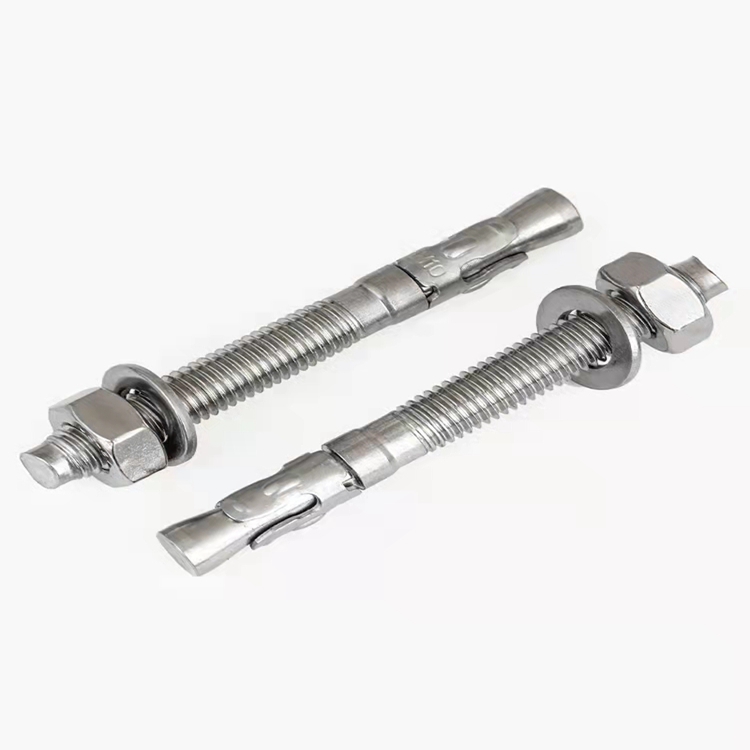
The performance of shoulder bolts is dictated by several engineering factors. Shear stress concentration around the shoulder is a critical consideration. Finite element analysis (FEA) is frequently used to optimize shoulder geometry and minimize stress concentrations, particularly in high-load applications. The bearing surface between the shoulder and the housing must withstand continuous or intermittent loading without excessive wear. Material pairing (bolt shoulder material vs. housing material) significantly impacts wear resistance and friction coefficient. Environmental resistance is paramount; corrosive environments necessitate the use of corrosion-resistant materials and/or protective coatings. Fatigue loading is a common failure mode in applications involving cyclical movement. Proper thread engagement length and surface finish contribute to fatigue life. Compliance requirements vary by industry; aerospace applications demand rigorous material traceability and quality control procedures adhering to standards like AMS (Aerospace Material Specification). Automotive applications often follow IATF 16949 quality management system requirements. The selection of the appropriate bolt preload is crucial; insufficient preload can lead to loosening, while excessive preload can cause yielding or fatigue failure. Proper lubrication reduces friction and wear, extending the service life of the bolt and surrounding components.
Technical Specifications
| Diameter (d) - inch | Shoulder Diameter (D) - inch | Length (L) - inch | Thread Pitch - TPI |
|---|---|---|---|
| 1/4 - 20 | 0.375 | 1.00 | 20 |
| 5/16 - 18 | 0.500 | 1.50 | 18 |
| 3/8 - 16 | 0.625 | 2.00 | 16 |
| 1/2 - 13 | 0.750 | 2.50 | 13 |
| 9/16 - 12 | 0.875 | 3.00 | 12 |
| 5/8 - 11 | 1.000 | 3.50 | 11 |
Failure Mode & Maintenance
Common failure modes for shoulder bolts include fatigue cracking (particularly at the thread root and shoulder), wear (of the shoulder surface), corrosion (leading to pitting and reduction in cross-sectional area), and galling (adhesive wear due to insufficient lubrication or improper material pairing). Fatigue cracking is often initiated by stress concentrations at thread imperfections or surface scratches. Wear can be accelerated by abrasive particles or high loads. Corrosion is particularly problematic in humid or corrosive environments. Galling occurs when dissimilar metals are subjected to high contact pressure without adequate lubrication.
Preventative maintenance involves regular inspection for signs of wear, corrosion, or cracking. Lubrication is crucial to minimize friction and wear. Periodic torque checks ensure proper clamping force. If corrosion is present, the bolts should be replaced. For critical applications, non-destructive testing methods like dye penetrant inspection or ultrasonic testing can detect subsurface cracks. When replacing shoulder bolts, it is essential to use the correct material and grade for the application. The surrounding housing should also be inspected for wear or damage. Proper installation procedures, including correct torque values and lubrication, are essential to prevent premature failure. Consider using anti-seize compounds during installation to prevent galling and facilitate future removal.
Industry FAQ
Q: What is the impact of shoulder diameter tolerance on performance?
A: Shoulder diameter tolerance is critical. Too large a tolerance can lead to excessive play and misalignment, compromising the intended function. Too small a tolerance can cause interference and increased friction. Precise control of shoulder diameter is crucial for applications requiring accurate positioning and smooth rotational movement. Industry best practice recommends tight tolerances as specified in relevant standards like ISO 2768-m.
Q: How do I select the appropriate material for a corrosive environment?
A: For corrosive environments, stainless steel (316 or higher grade) is generally recommended. However, the specific corrosive agent must be considered. For example, chloride environments require molybdenum-containing stainless steels like 316. Alternatively, protective coatings such as zinc plating, passivation, or specialized polymer coatings can enhance corrosion resistance of carbon or alloy steel bolts. Material selection charts detailing corrosion rates in various environments are valuable resources.
Q: What are the implications of using the incorrect thread engagement length?
A: Insufficient thread engagement length reduces the clamping force and increases the risk of thread stripping. Excessive thread engagement length can lead to increased stress concentration at the thread root. The optimal thread engagement length typically ranges from 1 to 1.5 times the bolt diameter. Consult engineering guidelines or fastener manufacturers' recommendations for specific applications.
Q: How does heat treatment affect the fatigue life of a shoulder bolt?
A: Proper heat treatment significantly improves the fatigue life of shoulder bolts. Hardening and tempering increase the tensile strength and hardness, enhancing resistance to fatigue cracking. However, excessive hardness can reduce toughness and increase the risk of brittle fracture. The heat treatment process must be carefully controlled to achieve the optimal balance of strength, toughness, and fatigue resistance. Case hardening techniques can also be employed to create a hard surface layer while maintaining a tough core.
Q: What is the role of lubrication in preventing galling?
A: Lubrication is crucial in preventing galling, especially when using dissimilar metals. A lubricant creates a barrier between the surfaces, reducing friction and preventing adhesive wear. Appropriate lubricants include anti-seize compounds, molybdenum disulfide grease, or PTFE-based lubricants. The lubricant should be compatible with the materials involved and suitable for the operating temperature and load conditions.
Conclusion
Shoulder bolts represent a specialized fastening solution tailored for applications demanding precise positioning, controlled rotational movement, and robust load-bearing capacity. Their performance is intrinsically linked to material selection, manufacturing precision, and careful consideration of engineering factors like stress concentration and environmental resistance. Addressing potential failure modes through preventative maintenance and proper installation practices is essential for ensuring long-term reliability and minimizing downtime.
Future trends in shoulder bolt technology are likely to focus on the development of advanced materials (e.g., high-strength alloys, composite materials) to further enhance performance characteristics. Improved surface treatments and coatings will provide enhanced corrosion and wear resistance. The integration of sensor technology into shoulder bolts could enable real-time monitoring of load conditions and predict potential failures. Continued adherence to stringent quality control standards and industry best practices will be paramount to meeting the evolving demands of critical applications.
