
Introduction
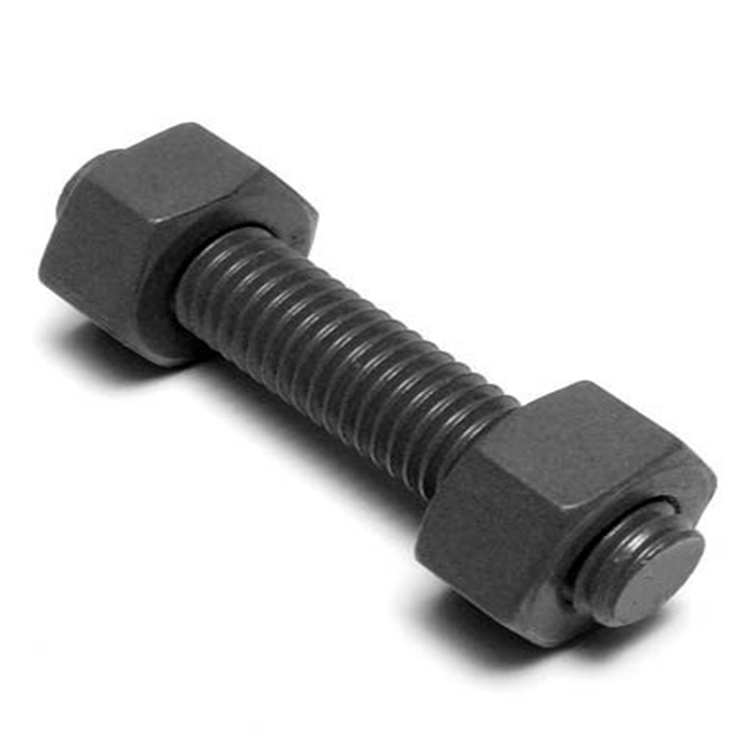
Construction bolts are high-strength fasteners critical to structural integrity in buildings, bridges, and infrastructure projects. Functioning as essential components within bolted joints, they transmit tensile and shear forces, securing connections between structural elements. Their technical position lies within the realm of structural engineering and materials science, directly impacting the load-bearing capacity and long-term durability of constructed assets. Core performance characteristics include tensile strength, yield strength, proof load, and resistance to fatigue, corrosion, and loosening. The selection of the appropriate bolt grade, size, and coating is paramount to ensuring structural safety and compliance with stringent building codes. The industry faces persistent challenges relating to bolt failure due to improper installation, material defects, and environmental degradation, necessitating rigorous quality control and maintenance protocols.
Material Science & Manufacturing
Construction bolts are predominantly manufactured from medium-carbon alloy steels, specifically grades conforming to standards like ASTM A307, A325, and A490. The core material properties revolve around achieving a balance of strength, ductility, and toughness. The steel composition typically includes carbon, manganese, silicon, phosphorus, and sulfur, with variations in alloying elements like chromium, molybdenum, and vanadium to enhance specific characteristics. Manufacturing begins with hot-rolling steel billets into bolt blanks, followed by cold heading to form the bolt head and shank. This process work-hardens the material, increasing its tensile strength. Thread rolling, rather than thread cutting, is preferred as it maintains the grain flow of the steel, minimizing stress concentrations and improving fatigue resistance. Heat treatment, including quenching and tempering, is crucial for achieving the desired mechanical properties. Surface treatments such as hot-dip galvanizing, mechanical zinc plating, or organic coatings (epoxy, polyurethane) provide corrosion protection. Precise control of temperature, cooling rates, and coating thickness are critical parameters during manufacturing to ensure consistent performance and adherence to industry specifications. Hydrogen embrittlement is a potential issue during galvanizing, requiring post-treatment baking to mitigate risks.
Performance & Engineering
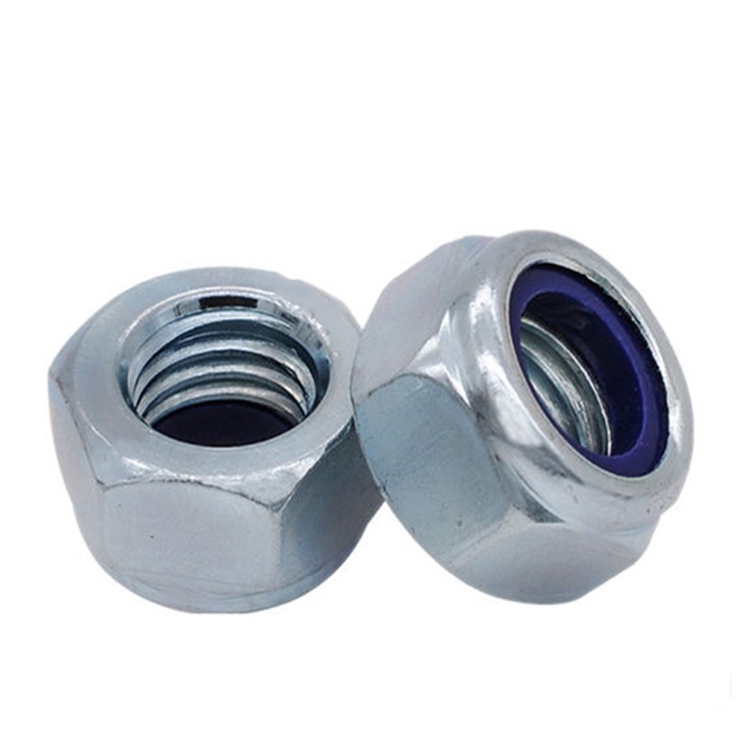
The performance of construction bolts is governed by principles of statics and mechanics of materials. Bolted joints are subjected to tensile, shear, and combined loading conditions. Force analysis must consider the bolt’s tensile stress area, shear area, and thread engagement length. Preloading, achieved through tightening the bolt to a specified torque or tension, is critical for developing clamping force and preventing joint separation under dynamic loads. The slip-critical and friction-type connections dictate different preload requirements. Environmental resistance is a major performance consideration. Corrosion, particularly in marine or chemically aggressive environments, can significantly reduce bolt strength and lead to failure. Material selection, coating application, and regular inspection are crucial for mitigating corrosion risks. Fatigue is another critical factor, especially in structures subjected to cyclic loading. Bolt fatigue life is influenced by stress range, mean stress, and the presence of stress concentrations. Compliance requirements, outlined in building codes (e.g., IBC, Eurocode 3), specify minimum bolt strength, installation procedures, and inspection protocols. Finite element analysis (FEA) is frequently used in the engineering design process to optimize bolt size, material, and joint geometry for specific loading scenarios.
Technical Specifications
| Bolt Grade | Tensile Strength (MPa) | Yield Strength (MPa) | Proof Load (kN) |
|---|---|---|---|
| ASTM A307 Grade A | 400-550 | 250 | Varies by diameter |
| ASTM A325 | 570-690 | 360 | Varies by diameter |
| ASTM A490 | 760-930 | 517 | Varies by diameter |
| ISO 8.8 | 800 | 640 | Varies by diameter |
| ISO 10.9 | 1000 | 980 | Varies by diameter |
| Coating Type | Hot-Dip Galvanizing | Mechanical Zinc Plating | Organic Coating (Epoxy) |
Failure Mode & Maintenance
Construction bolt failures commonly stem from several mechanisms. Tensile overload, exceeding the bolt’s tensile strength, leads to fracture. Shear failure occurs when the shear stress exceeds the material’s shear strength. Fatigue failure develops due to cyclic loading, initiating at stress concentrations (e.g., thread roots). Corrosion, particularly galvanic corrosion when dissimilar metals are in contact, weakens the bolt material. Hydrogen embrittlement, induced by certain coating processes or environments, reduces ductility and promotes brittle fracture. Loosening, caused by vibration, creep, or inadequate tightening, reduces clamping force and can lead to joint separation. Thread stripping, occurring due to excessive load or improper installation, compromises the bolt’s holding power. Maintenance involves regular visual inspection for signs of corrosion, damage, or loosening. Torque checks, utilizing calibrated wrenches, should be performed periodically to ensure adequate preload. Ultrasonic testing and magnetic particle inspection can detect internal flaws. Damaged or corroded bolts must be replaced with equivalent grade materials. Lubrication of bolt threads during installation reduces friction and ensures accurate preload. Proper detailing of bolted joints, avoiding stress concentrations and providing adequate drainage, is crucial for preventing premature failure.
Industry FAQ
Q: What is the difference between ASTM A325 and A490 bolts, and when would you choose one over the other?
A: ASTM A490 bolts possess significantly higher tensile and yield strengths compared to A325 bolts. A490 is typically selected for applications demanding higher load-carrying capacity and resistance to deformation, such as high-rise buildings or bridge construction. A325 bolts are suitable for general structural applications where load requirements are moderate. The higher strength of A490 often necessitates more precise tightening control to avoid overstressing connected members.
Q: How does temperature affect the performance of construction bolts?
A: Elevated temperatures can reduce the yield strength and tensile strength of steel bolts, potentially leading to failure. Conversely, low temperatures can decrease ductility, making the bolts more susceptible to brittle fracture. Extreme temperature variations induce thermal expansion and contraction, which can contribute to loosening. For applications involving extreme temperature fluctuations, special alloy steels and tightening procedures may be required.
Q: What is the role of preloading in a bolted joint?
A: Preloading, or tightening the bolt to a specified tension, creates clamping force between the connected members. This clamping force opposes external loads, preventing slip and maintaining joint integrity. Proper preloading is crucial for distributing the load across the joint area and preventing fatigue failure. Insufficient preloading can lead to loosening, while excessive preloading can cause bolt yielding or failure of connected components.
Q: What are the common causes of corrosion in construction bolts, and how can it be mitigated?
A: Common causes include exposure to moisture, chlorides (e.g., seawater), and acidic environments. Galvanic corrosion occurs when dissimilar metals are in contact in the presence of an electrolyte. Mitigation strategies include selecting corrosion-resistant materials (e.g., stainless steel), applying protective coatings (e.g., galvanizing, epoxy), using compatible materials to prevent galvanic corrosion, and providing adequate drainage to minimize moisture accumulation.
Q: What are the best practices for inspecting and maintaining bolted connections in infrastructure projects?
A: Best practices include visual inspection for corrosion, damage, and loosening; torque checks using calibrated wrenches; ultrasonic testing to detect internal flaws; and periodic re-tightening of bolts to maintain adequate preload. Documentation of inspection results and maintenance activities is essential for tracking performance and identifying potential issues. A preventative maintenance program, based on risk assessment and environmental factors, is highly recommended.
Conclusion
Construction bolts are fundamental elements in structural engineering, demanding meticulous attention to material science, manufacturing processes, and performance characteristics. The optimal selection and implementation of these fasteners directly influence the safety, durability, and longevity of infrastructure projects. Understanding the nuances of bolt grades, loading conditions, and environmental factors is critical for preventing failures and ensuring structural integrity.
Future advancements in bolt technology are likely to focus on the development of self-tightening bolts, corrosion-resistant alloys, and smart monitoring systems for real-time assessment of bolt preload and condition. Continued adherence to rigorous quality control standards, coupled with proactive maintenance programs, will remain essential for maximizing the performance and reliability of bolted connections in demanding construction environments.
