
Introduction
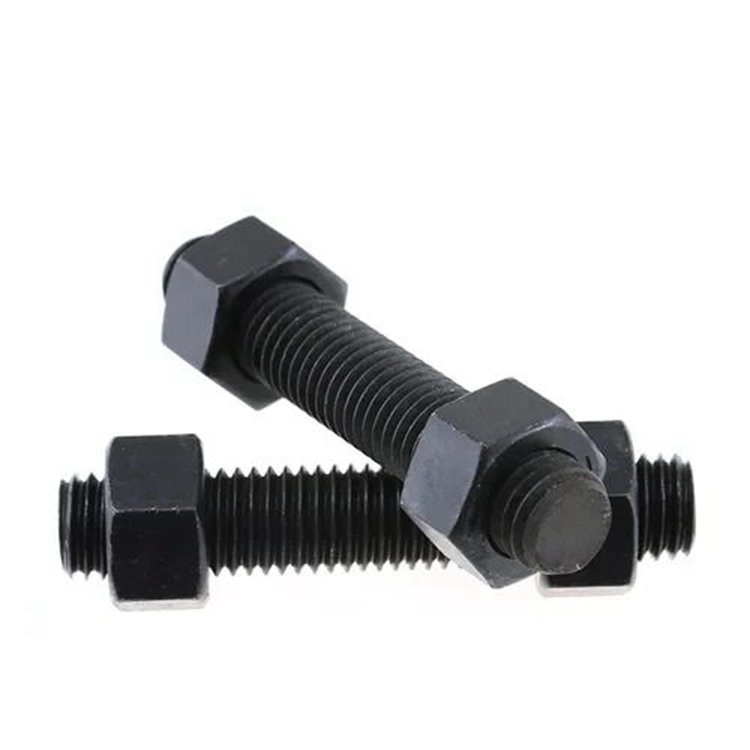
Bed frame bolts are critical load-bearing components within furniture assembly, specifically designed to secure the structural integrity of bed frames. Positioned within the broader fastening industry, these bolts represent a specialized segment focused on providing reliable joint connections for repeated stress and weight distribution. Typically manufactured from carbon steel alloys, they facilitate assembly of side rails, headboards, footboards, and support structures. Core performance characteristics center around tensile strength, shear strength, fatigue resistance, and corrosion protection. The selection of appropriate bed frame bolts directly impacts bed stability, noise reduction during use, and the overall lifespan of the furniture. Failure to utilize bolts meeting specified performance criteria presents significant safety risks, including structural collapse. This guide provides an in-depth examination of bed frame bolt material science, manufacturing processes, performance engineering, failure modes, and relevant industry standards.
Material Science & Manufacturing
Bed frame bolts are predominantly manufactured from medium carbon steel (e.g., AISI 1045, SAE 4140) due to its balance of strength, ductility, and cost-effectiveness. The steel typically undergoes a heat treatment process including hardening and tempering to achieve desired mechanical properties. Raw material composition is meticulously controlled to ensure consistent carbon content (0.40-0.55%), manganese (0.60-0.90%), silicon (0.15-0.30%), and phosphorus/sulfur levels (maintained within strict limits to avoid brittleness). Manufacturing begins with cold forging or hot upsetting of steel wire, forming the bolt blank. Threading is achieved through rolling or cutting processes. Rolling is preferred as it work-hardens the surface, enhancing fatigue resistance. Surface treatments are then applied. Zinc plating (electrogalvanizing) is the most common corrosion protection method, providing a sacrificial layer. Black oxide coating offers minimal corrosion protection but provides aesthetic appeal. The critical manufacturing parameter is thread accuracy – deviations from specified pitch and form can lead to loosening under load. Bolt head geometry (e.g., hex, flange) is controlled by die forging or machining. Quality control incorporates dimensional inspection (using calipers, micrometers, and optical comparators), hardness testing (Rockwell or Vickers), and torque testing to verify clamp load capacity.
Performance & Engineering
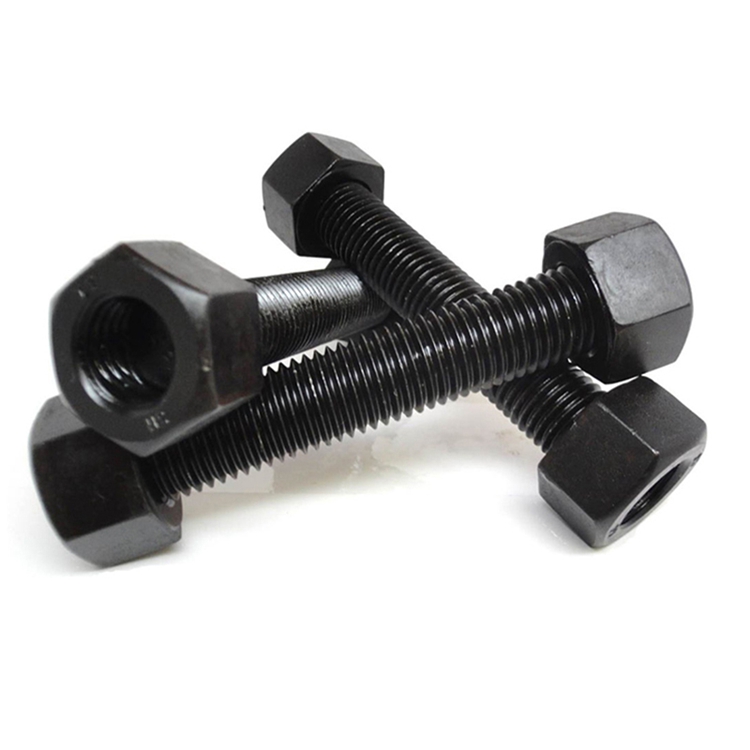
The primary engineering concern for bed frame bolts is their ability to withstand cyclical loading. Bed frames experience dynamic forces resulting from occupant movement, weight shifts, and impact. Force analysis dictates that bolts are subjected to tensile stress (from the weight of the mattress and occupants), shear stress (from lateral forces), and bending stress (due to uneven weight distribution). Fatigue life is paramount; bolts must endure millions of cycles without failure. Preload, achieved through proper torque application, is crucial. Adequate preload maximizes the clamping force, preventing joint separation and reducing stress concentration. Environmental resistance is also a key consideration. Humidity and temperature fluctuations can accelerate corrosion, weakening the bolts. Material selection and surface treatments are optimized to mitigate these effects. Compliance requirements vary by region but generally adhere to furniture safety standards (e.g., BIFMA standards in the US). The diameter of the bolt, thread pitch, and material grade are selected based on the anticipated load and the design of the bed frame joints. Finite element analysis (FEA) is often employed during the design phase to simulate stress distribution and optimize bolt placement.
Technical Specifications
| Diameter (mm) | Material Grade | Tensile Strength (MPa) | Yield Strength (MPa) |
|---|---|---|---|
| M6 | AISI 1045 | 600 | 450 |
| M8 | SAE 4140 | 800 | 650 |
| M10 | AISI 1045 | 650 | 500 |
| M12 | SAE 4140 | 850 | 700 |
| M6 (Stainless Steel 304) | 304 Stainless Steel | 500 | 210 |
| M8 (Black Oxide Coated) | AISI 1045 | 600 | 450 |
Failure Mode & Maintenance
Common failure modes for bed frame bolts include fatigue cracking (initiated by stress concentrations at thread roots or under bolt heads), thread stripping (resulting from excessive torque or corrosion), and corrosion-induced weakening (particularly in humid environments). Fatigue cracking is often progressive, beginning as microscopic cracks that propagate under cyclical loading. Thread stripping occurs when the shear stress exceeds the shear strength of the bolt material. Corrosion can lead to pitting and reduction in cross-sectional area, diminishing tensile and shear strength. Hydrogen embrittlement, especially in high-strength steels exposed to corrosive environments, can exacerbate cracking. Preventative maintenance involves periodic torque checks to ensure adequate preload. Visually inspect bolts for signs of corrosion, cracking, or thread damage. Lubricating threads with a light oil can reduce friction and prevent galling during tightening. If a bolt shows signs of fatigue or corrosion, it must be replaced immediately. Avoid using impact wrenches for final tightening, as they can over-torque and damage the bolt or joint. Utilizing corrosion-resistant coatings and selecting appropriate materials for the operating environment are crucial for long-term reliability. A proactive bolt replacement schedule, based on anticipated usage and environmental conditions, can further mitigate failure risk.
Industry FAQ
Q: What is the significance of bolt grade markings, and how do they relate to load capacity?
A: Bolt grade markings (e.g., 8.8, 10.9) indicate the material's tensile strength and yield strength. Higher grade numbers correspond to greater strength. The first number represents the ultimate tensile strength in hundreds of MPa (megapascals), and the second number represents the yield strength as a percentage of the tensile strength. Understanding these markings is critical for selecting bolts capable of withstanding the anticipated load without failure.
Q: What are the advantages and disadvantages of zinc plating versus black oxide coating for bed frame bolts?
A: Zinc plating provides superior corrosion protection through a sacrificial barrier, significantly extending the bolt's lifespan in humid environments. However, it can be more expensive than black oxide. Black oxide offers minimal corrosion protection but provides an aesthetic finish and is often more cost-effective. It’s best suited for indoor applications with low humidity.
Q: How does thread pitch affect the performance of bed frame bolts?
A: Thread pitch (the distance between threads) influences the bolt's shear strength and resistance to loosening. Coarser threads are generally stronger in shear but are more susceptible to loosening due to vibration. Finer threads offer greater resistance to loosening but have lower shear strength. Selection of the appropriate pitch depends on the specific application and expected loading conditions.
Q: What is the role of preload in preventing bed frame bolt failure?
A: Preload, the initial tension applied to the bolt during tightening, is crucial for maintaining joint integrity. Proper preload maximizes the clamping force, preventing joint separation and reducing stress concentration. Insufficient preload can lead to loosening and fatigue failure, while excessive preload can cause the bolt to yield or fracture.
Q: What are the implications of using stainless steel bolts versus carbon steel bolts in bed frame construction?
A: Stainless steel bolts offer excellent corrosion resistance, making them ideal for outdoor or humid environments. However, they generally have lower tensile and yield strength compared to high-strength carbon steel bolts. Stainless steel is also more expensive. Carbon steel bolts, when properly coated, provide a cost-effective solution for indoor applications where corrosion is less of a concern.
Conclusion
Bed frame bolt selection and implementation are intrinsically linked to the overall structural integrity and longevity of furniture. A comprehensive understanding of material science, manufacturing processes, and performance engineering is paramount to ensuring reliable joint connections capable of withstanding cyclical loading and environmental factors. Correct specification, proper installation with appropriate preload, and routine maintenance are critical to preventing premature failure.
Further advancements in bolt technology, such as the development of higher-strength alloys and improved corrosion-resistant coatings, continue to enhance the performance and durability of these essential components. Ongoing research into fatigue prediction and failure analysis methods will refine design standards and ultimately contribute to safer and more reliable bed frame construction.
