
Introduction
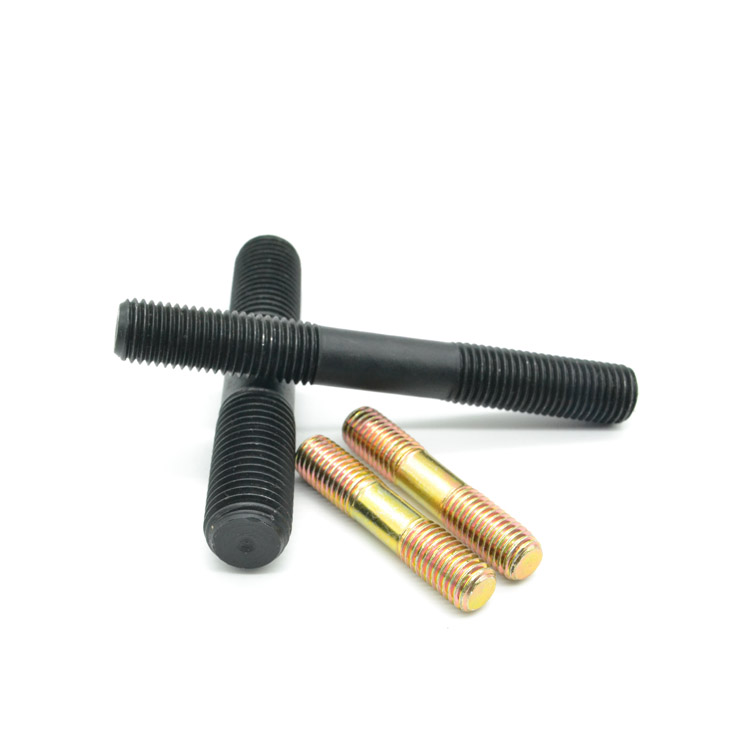
A307 bolts are carbon steel fasteners commonly used in structural applications where moderate strength is required. Positioned within the fastening industry as a cost-effective alternative to higher-grade alloys, they are primarily employed in machine building, general construction, and various assembly processes. A307 bolts are characterized by their weldability and ductility, making them suitable for applications involving welding and impact loads. Their tensile strength generally ranges between 60,000 and 85,000 PSI, determined by the manufacturing process and finish. The core performance characteristics focus on providing reliable clamping force within specified load parameters, providing a secure and stable connection without the cost implications of alloy steel fasteners. A key industry pain point revolves around inconsistent material quality from various suppliers and the lack of precise control over manufacturing tolerances, potentially leading to premature failure in critical applications. Understanding the nuances of A307 bolt specifications is crucial for ensuring structural integrity and longevity.
Material Science & Manufacturing
A307 bolts are predominantly manufactured from low-carbon steel conforming to ASTM A307 standards. The raw material typically consists of SAE 1008, 1010, or 1018 steel grades. These steels possess a relatively simple chemical composition primarily consisting of iron (Fe) with varying amounts of carbon (C), manganese (Mn), phosphorus (P), sulfur (S), and silicon (Si). The carbon content typically ranges from 0.08% to 0.25% which influences weldability and machinability. Manganese is added to enhance strength and hardenability, while controlled levels of phosphorus and sulfur contribute to machinability but can negatively impact ductility if exceeding specified limits. Manufacturing processes commonly include cold heading, hot forging, and machining. Cold heading is preferred for smaller diameter bolts, offering improved strength due to strain hardening. Hot forging is utilized for larger bolts, providing better material flow and minimizing defects. Following forming, bolts undergo threading operations – either rolled or cut threads – with rolled threads exhibiting superior fatigue resistance. Critical parameter control during manufacturing focuses on ensuring proper heat treatment, dimensional accuracy of threads, and surface finish. Surface treatments such as zinc plating or black oxide coating are frequently applied to enhance corrosion resistance, though these are primarily cosmetic and offer limited long-term protection in harsh environments. Improper heat treatment can lead to inconsistent mechanical properties and susceptibility to brittle fracture, while insufficient control over threading dimensions can compromise clamping force and induce stress concentrations.
Performance & Engineering
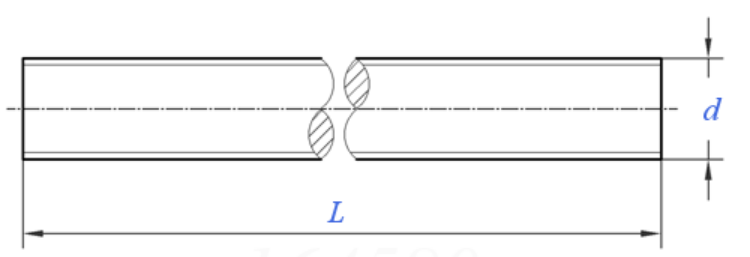
The performance of A307 bolts is critically tied to their load-bearing capacity under tensile and shear stress. Force analysis must account for the bolt’s cross-sectional area, material yield strength, and applied preload. Preload, the initial tension applied to the bolt during tightening, is essential for achieving a secure clamping force and preventing loosening under dynamic loading. The standard allows for a proof load (typically 75% of tensile strength) to be applied, indicating the maximum load the bolt can withstand without permanent deformation. Environmental resistance is a key consideration, especially in corrosive environments. While zinc plating provides a basic level of protection, it's susceptible to galvanic corrosion when in contact with dissimilar metals. Compliance requirements often dictate the need for additional corrosion protection, such as specialized coatings or the use of corrosion-resistant washers. Furthermore, A307 bolts must meet specific dimensional tolerances outlined in ASTM A307 to ensure proper fit and function within bolted joints. Detailed engineering calculations involving thread engagement length, bolt hole clearance, and joint stiffness are crucial for determining appropriate bolt size and preload values. The fatigue performance of A307 bolts is often a limiting factor, particularly in applications subject to cyclic loading. Stress concentrations at thread roots and under bolt heads can initiate fatigue cracks, ultimately leading to failure. Proper tightening procedures and the use of calibrated torque wrenches are essential for minimizing stress concentrations and maximizing fatigue life.
Technical Specifications
| Specification | Value | Test Method | Notes |
|---|---|---|---|
| Tensile Strength (MPa) | 480 - 620 | ASTM A307 | Dependent on bolt size and manufacturing process |
| Yield Strength (MPa) | 240 - 370 | ASTM A307 | Minimum specified value |
| Elongation (%) | 18 (minimum) | ASTM A307 | In 2 inches gauge length |
| Hardness (Brinell) | 140 - 200 HB | ASTM E10 | Typical range |
| Chemical Composition (Carbon Max) | 0.25% | ASTM E415 | Maximum allowable carbon content |
| Thread Type | UNC/UNF | ASME B1.1 | Unified National Coarse/Fine |
Failure Mode & Maintenance
A307 bolts are susceptible to several failure modes in practical applications. Fatigue cracking is a common issue, particularly under cyclic loading, originating at stress concentrations like thread roots or under bolt heads. Hydrogen embrittlement can occur in highly stressed bolts exposed to corrosive environments, leading to brittle fracture. Corrosion, especially galvanic corrosion when in contact with dissimilar metals, weakens the bolt material and reduces its load-bearing capacity. Thread stripping can occur due to improper tightening or excessive loads, compromising the clamping force. Shear failure can occur in bolted joints subjected to high shear stresses, particularly if the bolt hole clearance is excessive. Preventive maintenance involves regular visual inspections for signs of corrosion, damage, or loosening. Proper tightening procedures using calibrated torque wrenches are crucial to achieve the correct preload and minimize stress concentrations. Periodic re-tightening may be necessary in applications subject to vibration or thermal cycling. In cases of suspected hydrogen embrittlement, replacing the bolts with corrosion-resistant alternatives is recommended. If fatigue cracking is identified, a thorough investigation of the joint design and loading conditions is essential to prevent recurrence. Lubrication of bolt threads can reduce friction during tightening and prevent galling, extending the bolt's service life. Appropriate storage conditions, protecting bolts from moisture and corrosive elements, are also vital.
Industry FAQ
Q: What is the primary difference between an A307 bolt and an A325 bolt?
A: The key difference lies in the material composition and resulting mechanical properties. A325 bolts are made from medium carbon steel and are heat-treated, resulting in significantly higher tensile and yield strengths compared to A307 bolts. A325 bolts are typically used in structural steel connections where higher strength is required, while A307 bolts are suitable for less demanding applications.
Q: Can A307 bolts be used in outdoor applications?
A: While A307 bolts can be used outdoors, their corrosion resistance is limited, especially without protective coatings. Zinc plating offers a basic level of protection, but more robust coatings like hot-dip galvanizing or specialized corrosion-resistant alloys are recommended for prolonged exposure to harsh weather conditions.
Q: What is the recommended torque for tightening an A307 bolt?
A: The recommended torque depends on the bolt size, thread type, and lubrication. Torque values should be determined using established engineering guidelines and manufacturer's specifications. Overtightening can lead to bolt failure, while undertightening can result in loosening. Using a calibrated torque wrench is crucial.
Q: What are the implications of using an A307 bolt in a high-vibration environment?
A: A307 bolts are more susceptible to loosening in high-vibration environments compared to higher-grade bolts or those secured with locking mechanisms. Consider using lock washers, prevailing torque nuts, or thread-locking compounds to prevent loosening. Regular inspections and re-tightening are also recommended.
Q: How does welding near A307 bolts affect their performance?
A: Welding near A307 bolts can alter their mechanical properties due to heat input. This can reduce their tensile strength and ductility, making them more prone to failure. Post-weld heat treatment may be necessary to restore the original properties. It's generally best practice to avoid welding directly on or in close proximity to A307 bolts whenever possible.
Conclusion
A307 bolts represent a widely utilized, cost-effective fastening solution for a diverse range of applications where moderate strength and weldability are paramount. Their reliance on low-carbon steel demands a thorough understanding of their material properties, manufacturing processes, and potential failure modes. Precise control over manufacturing parameters, coupled with adherence to relevant industry standards, is crucial for ensuring consistent performance and long-term reliability.
Moving forward, advancements in surface treatment technologies and the development of improved corrosion-resistant coatings will likely enhance the durability of A307 bolts in harsh environments. Continuous refinement of tightening procedures and the implementation of predictive maintenance strategies, leveraging sensor technologies and data analytics, will contribute to minimizing the risk of catastrophic failures and maximizing the operational lifespan of critical bolted joints.
