
Introduction
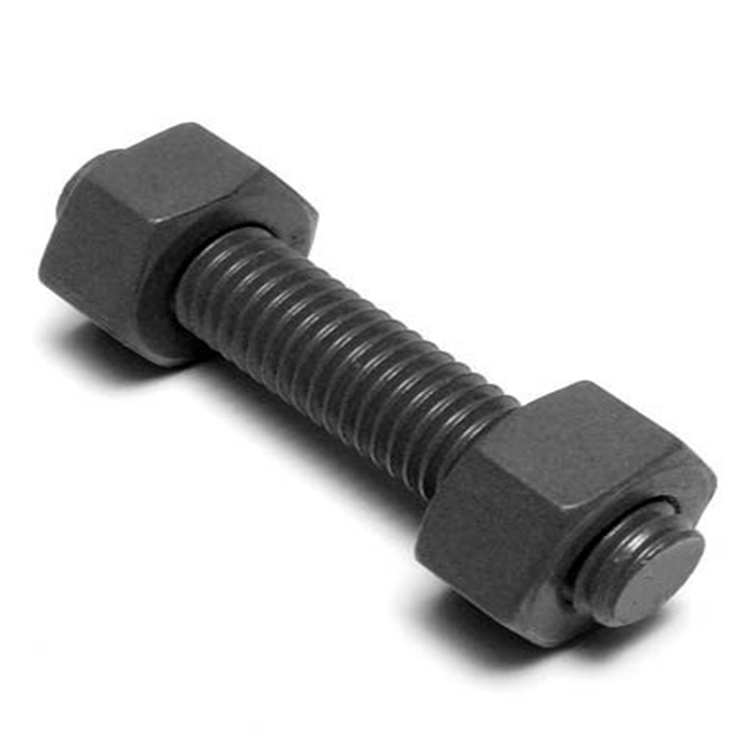
Long bolts are threaded fasteners characterized by their extended shaft length relative to their diameter. Positioned within the fastening and joining industry chain, they serve critical roles across a broad spectrum of applications including structural engineering, pressure vessel assembly, automotive manufacturing, and power generation. Unlike standard bolts, their length provides accommodation for thicker materials, multiple layers, or the inclusion of spacers and components. Core performance characteristics center on tensile strength, yield strength, shear strength, fatigue resistance, and resistance to loosening under vibration. The increasing demand for high-strength, corrosion-resistant long bolts stems from the need for reliable and durable joints in demanding environments and critical infrastructure projects. A key pain point in the industry revolves around maintaining consistent thread quality across long lengths, ensuring accurate load distribution, and preventing premature failure due to material defects or environmental corrosion.
Material Science & Manufacturing
Long bolts are predominantly manufactured from carbon steel, alloy steel, stainless steel, and occasionally, titanium alloys. Carbon steels (e.g., ASTM A307, A574) are common for general-purpose applications, offering good strength and cost-effectiveness. Alloy steels (e.g., 4140, 4340) incorporate elements like chromium, molybdenum, and vanadium to enhance tensile strength, toughness, and hardenability. Stainless steels (e.g., 304, 316) provide excellent corrosion resistance, crucial for outdoor or corrosive environments. Titanium alloys, while expensive, offer exceptional strength-to-weight ratios and corrosion resistance for specialized applications like aerospace. The manufacturing process typically begins with hot forging or cold heading to form the bolt blank. This is followed by thread rolling, a cold-forming process that creates the threads without material removal, resulting in increased thread strength compared to thread cutting. Key parameters controlled during manufacturing include die angle, rolling force, and reduction ratio. Heat treatment, such as quenching and tempering, is critical for achieving the desired mechanical properties. Surface treatments, like galvanizing, zinc plating, or PTFE coating, are applied to enhance corrosion resistance and reduce friction. Precise dimensional control, including thread pitch diameter and length, is maintained through rigorous quality control procedures involving calibrated gauges and optical comparators. Material microstructure analysis, including grain size and inclusion content, is essential for validating material performance.
Performance & Engineering
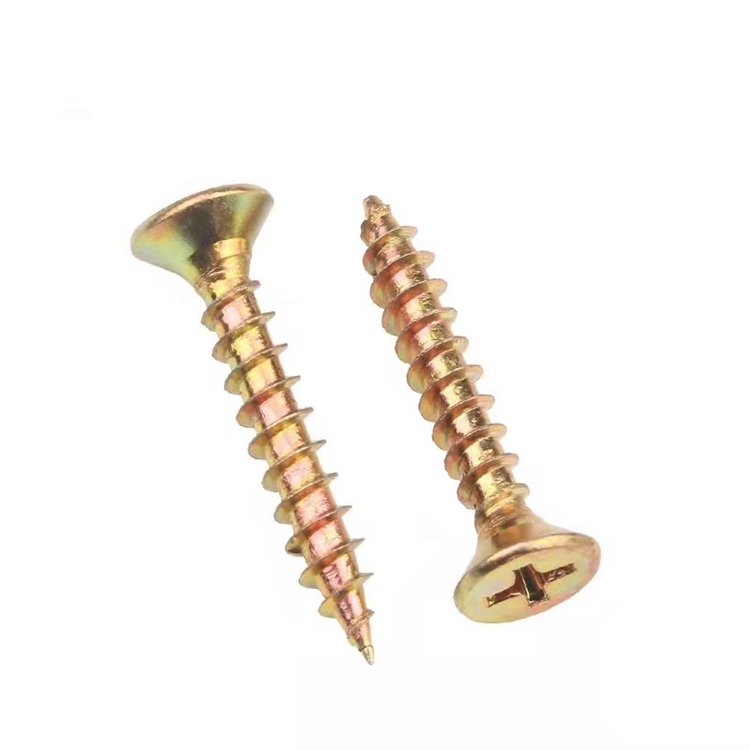
The performance of long bolts is governed by several engineering principles. Tensile strength, the maximum stress a bolt can withstand before fracturing, is a primary design consideration. Yield strength determines the load at which permanent deformation occurs. Shear strength is critical for applications involving transverse loads. Fatigue resistance is paramount in applications subject to cyclic loading, such as those found in rotating machinery or bridges. The bolt's performance under preload is also crucial. Preload, the initial tension applied to the bolt during tightening, creates clamping force, which secures the joint. Inadequate preload can lead to joint loosening and failure. Environmental resistance encompasses corrosion resistance, temperature effects, and chemical compatibility. Corrosion can significantly reduce a bolt’s strength and service life. Temperature extremes can alter the material’s properties, affecting its strength and ductility. Compliance requirements, such as those dictated by ASME, ASTM, and ISO standards, mandate specific material properties, testing procedures, and quality control measures. Finite element analysis (FEA) is routinely employed to simulate stress distributions within the bolt and the joined components, optimizing bolt size and preload for specific applications. Torque-tension relationships are meticulously calibrated to ensure accurate preload control during assembly. The Poisson’s ratio and thermal expansion coefficient of the bolt material are also considered in design calculations.
Technical Specifications
| Material Grade | Tensile Strength (MPa) | Yield Strength (MPa) | Hardness (Rockwell C) |
|---|---|---|---|
| SAE Grade 5 | 830 | 690 | 30-35 |
| SAE Grade 8 | 1040 | 950 | 33-39 |
| A2 Stainless Steel (304) | 500-700 | 210-310 | 20-25 |
| A4 Stainless Steel (316) | 600-800 | 240-350 | 25-30 |
| ASTM A325 | 850 | 720 | 30-35 |
| ASTM A490 | 1100 | 950 | 32-38 |
Failure Mode & Maintenance
Long bolts are susceptible to several failure modes. Fatigue cracking, initiated by cyclic loading, often occurs at stress concentration points like thread roots or bolt heads. Hydrogen embrittlement, induced by exposure to hydrogen-containing environments, can lead to brittle fracture, particularly in high-strength steels. Corrosion, as previously mentioned, weakens the material and promotes pitting corrosion, leading to stress corrosion cracking. Thread stripping occurs when the threads are subjected to excessive loads, causing them to deform or shear. Over-tightening can lead to bolt stretch and subsequent yielding or fracture. Creep, the gradual deformation under sustained load at elevated temperatures, can cause loosening of the joint. Maintenance involves regular inspection for signs of corrosion, cracking, or deformation. Torque checks should be performed periodically to ensure adequate preload. Lubrication of threads can reduce friction and prevent galling. Damaged or corroded bolts should be replaced immediately. Applying corrosion inhibitors or protective coatings can extend bolt service life. Periodic ultrasonic testing can detect internal cracks before they propagate to critical size. Proper storage conditions, protected from moisture and corrosive elements, are vital for preserving bolt integrity.
Industry FAQ
Q: What is the impact of thread form on the fatigue life of a long bolt?
A: The thread form significantly impacts fatigue life. Sharper thread roots create stress concentrations, reducing fatigue resistance. Rounded thread roots, as found in metric threads, distribute stress more evenly, enhancing fatigue life. Thread rolling, compared to thread cutting, also improves fatigue performance by introducing compressive residual stresses in the thread surface.
Q: How does bolt material selection influence corrosion resistance in saltwater environments?
A: Material selection is critical. Carbon steel bolts will rapidly corrode in saltwater. Stainless steel alloys, particularly 316, offer superior corrosion resistance due to their molybdenum content. Duplex stainless steels provide even higher corrosion resistance. Protective coatings, such as galvanizing or specialized epoxy coatings, can further enhance corrosion protection.
Q: What are the key considerations when selecting a bolt preload for a critical joint?
A: Proper preload maximizes clamping force and prevents joint separation. Too little preload leads to loosening; too much can cause bolt failure. The selection should consider the joint material properties, bolt strength, and applied loads. Torque-tension charts and FEA simulations are used to determine the optimal preload.
Q: What is the significance of bolt grade markings, and how do they relate to material properties?
A: Bolt grade markings (e.g., SAE Grade 8, A4-80) indicate the material's tensile strength and yield strength. These markings are standardized and provide a quick reference to the bolt’s mechanical properties. Higher grades signify greater strength and are typically used in more demanding applications.
Q: How do temperature fluctuations affect the performance of long bolts in outdoor applications?
A: Temperature fluctuations cause thermal expansion and contraction, which can induce stress in the bolt and the joined materials. Repeated thermal cycling can lead to fatigue. Material selection should account for the operating temperature range. Consider using materials with low thermal expansion coefficients and incorporating design features to accommodate thermal movement.
Conclusion
Long bolts are fundamental fastening components requiring careful consideration of material science, manufacturing processes, and engineering principles. Their performance is dictated by a complex interplay of mechanical properties, environmental factors, and installation practices. Ensuring proper material selection, precise thread forming, appropriate heat treatment, and accurate preload control are essential for achieving reliable and durable bolted joints.
Future trends point towards the increasing use of high-strength, lightweight materials like titanium alloys and advanced stainless steels, coupled with sophisticated monitoring systems to detect early signs of failure. Digital thread technology, enabling traceability throughout the manufacturing process, will become increasingly important for ensuring quality and reliability. The ongoing development of advanced coatings and surface treatments will further enhance corrosion resistance and extend the service life of long bolts in challenging environments.
