
Introduction
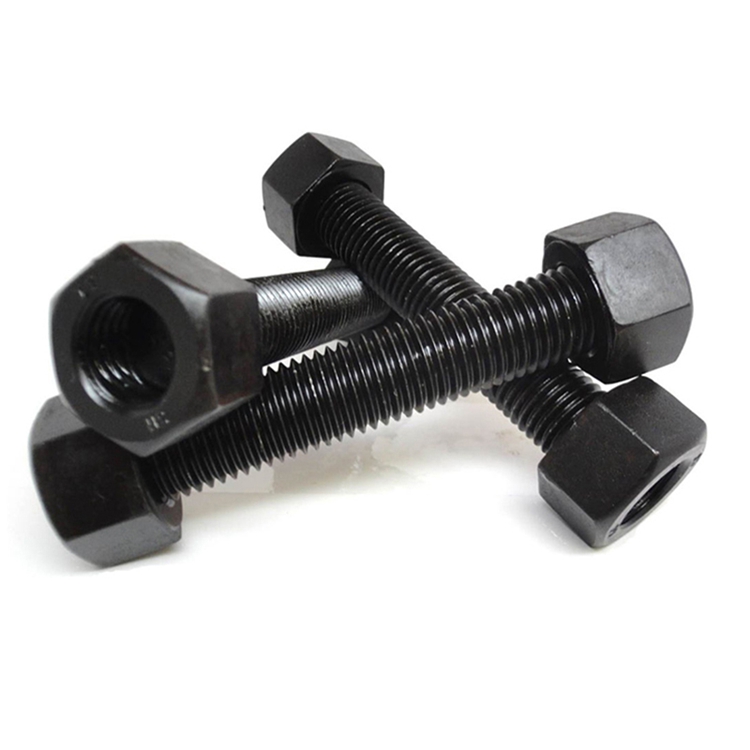
Zinc plated eye bolts are critical lifting components utilized across a broad spectrum of industrial applications, including rigging, marine, construction, and material handling. They consist of a carbon steel eye bolt with a zinc coating applied via hot-dip galvanization or electroplating to enhance corrosion resistance. Their function is to provide a secure attachment point for lifting slings, ropes, or other lifting devices. The technical position within the lifting and rigging supply chain is as a foundational element, directly impacting the safety and reliability of load handling operations. Core performance characteristics revolve around tensile strength, shear strength, working load limit (WLL), and resistance to environmental degradation. A key industry pain point lies in maintaining consistent zinc coating quality and preventing premature failure due to coating breakdown, hydrogen embrittlement, or overloading. Selecting the appropriate eye bolt grade and ensuring correct installation are paramount for safe operation.
Material Science & Manufacturing
The primary material for zinc plated eye bolts is medium carbon steel, typically AISI/SAE 1045 or equivalent. This steel possesses a good balance of strength and ductility. Chemical composition is tightly controlled to ensure consistent mechanical properties. The zinc coating itself is applied using either hot-dip galvanization or electroplating. Hot-dip galvanization involves immersing the steel in molten zinc, creating a metallurgical bond and a thicker, more robust coating. Electroplating, conversely, uses an electric current to deposit a thinner zinc layer. Manufacturing begins with forging or machining the eye bolt body to the desired shape. Critical parameters during forging include die temperature, impact force, and cooling rate, all affecting grain structure and potential for flaws. Machining processes, such as thread rolling, require precise tooling and lubrication to maintain dimensional accuracy and avoid work hardening. The zinc plating process itself necessitates careful control of pH, temperature, current density (for electroplating), and zinc bath composition. Post-plating passivation treatments, such as chromate conversion coating, are often applied to further enhance corrosion resistance, though hexavalent chromium is being phased out due to environmental concerns, leading to the adoption of trivalent chromium alternatives. Hydrogen embrittlement is a significant risk during electroplating; post-plating baking is crucial to drive out absorbed hydrogen.
Performance & Engineering
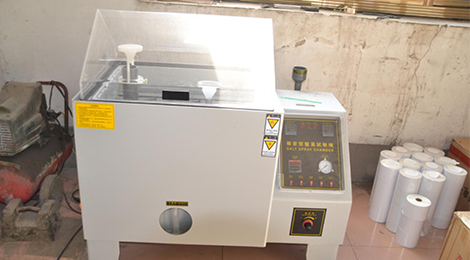
Performance of zinc plated eye bolts is governed by several key engineering principles. Tensile strength refers to the bolt’s resistance to being pulled apart, critical for direct vertical lifts. Shear strength determines the resistance to forces acting perpendicular to the bolt axis, relevant when the load is applied at an angle. The Working Load Limit (WLL), typically stamped on the bolt, represents the maximum load that can be safely applied, taking into account a safety factor. Fatigue analysis is crucial, especially in cyclic loading applications, to predict the bolt’s lifespan under repeated stress. Environmental resistance is directly tied to the integrity of the zinc coating. Exposure to saltwater, acidic environments, and UV radiation can accelerate corrosion. Finite element analysis (FEA) is used to model stress distribution within the eye bolt under various loading conditions and identify potential stress concentration points. Compliance requirements, such as those outlined in ASME B30.26 (Rigging Equipment), dictate minimum WLLs, material specifications, and marking requirements. Angle loading significantly reduces the effective WLL; manufacturers provide derating factors for different loading angles. Regular inspection for coating damage, thread deformation, and cracks is essential to prevent catastrophic failure.
Technical Specifications
| Parameter | Grade 5 (SAE 1045) | Grade 8 (Alloy Steel) | Zinc Coating Thickness (Hot-Dip Galvanized) |
|---|---|---|---|
| Tensile Strength (MPa) | 690 | 830 | N/A |
| Yield Strength (MPa) | 379 | 690 | N/A |
| Shear Strength (MPa) | 345 | 414 | N/A |
| WLL (kN) - M8 | 6.6 | 8.8 | N/A |
| WLL (kN) - M12 | 13.3 | 17.8 | N/A |
| WLL (kN) - M16 | 22.2 | 29.9 | N/A |
| Zinc Coating Thickness (µm) | N/A | N/A | 55-85 |
Failure Mode & Maintenance
Common failure modes for zinc plated eye bolts include fatigue cracking, particularly at the root of the eye or at thread intersections, resulting from cyclical loading. Corrosion is a primary contributor to failure, with the zinc coating providing sacrificial protection to the steel substrate. Once the zinc coating is depleted, corrosion of the steel begins, reducing the bolt’s cross-sectional area and strength. Hydrogen embrittlement, as mentioned earlier, can lead to brittle fracture, especially in high-strength bolts. Overloading, exceeding the WLL, is a leading cause of immediate failure. Thread stripping can occur due to improper installation or excessive torque. Maintenance involves regular visual inspection for coating damage (scratches, blisters, rust spots), thread deformation, and cracks. Damaged coatings should be repaired with zinc-rich paint or re-galvanized. Periodic torque checks are recommended to ensure proper clamping force. Bolts subjected to harsh environments should be inspected more frequently. If any signs of cracking or significant corrosion are detected, the bolt should be immediately removed from service. Proper lubrication of threads during installation and periodic re-application can prevent galling and facilitate disassembly. Cleaning with a mild detergent and water is sufficient; abrasive cleaners can damage the zinc coating.
Industry FAQ
Q: What is the difference between hot-dip galvanization and electroplating in terms of corrosion protection?
A: Hot-dip galvanization provides a thicker, more durable zinc coating with a metallurgical bond to the steel, offering superior long-term corrosion protection. Electroplating produces a thinner coating and relies on adhesion rather than a metallurgical bond, making it less robust in highly corrosive environments. Hot-dip galvanization is generally preferred for outdoor applications and harsher conditions.
Q: How does temperature affect the WLL of an eye bolt?
A: Extreme temperatures can affect the mechanical properties of the steel. High temperatures can reduce yield strength and tensile strength, while low temperatures can increase brittleness. WLLs are typically specified at room temperature; derating factors should be applied for operation outside of that range, consulting the manufacturer’s specifications.
Q: What precautions should be taken to prevent hydrogen embrittlement during electroplating?
A: Post-plating baking is critical to drive out absorbed hydrogen. The baking temperature and duration depend on the steel grade and coating thickness, as specified by the plating supplier. Proper control of the plating process parameters (pH, current density) is also essential to minimize hydrogen absorption.
Q: What is the significance of the WLL marking on the eye bolt?
A: The WLL marking indicates the maximum safe load that can be applied to the eye bolt in a straight, vertical lift. Exceeding this limit can lead to catastrophic failure. It is a critical safety feature and must be clearly visible and legible.
Q: How often should eye bolts be inspected, and what should be looked for?
A: Inspection frequency depends on the application and severity of the environment. Regular, visual inspections should be conducted before each use, looking for coating damage, thread deformation, cracks, and any signs of corrosion. More frequent inspections are required for critical applications and harsh environments. A documented inspection program is highly recommended.
Conclusion
Zinc plated eye bolts represent a fundamental component in safe lifting operations. Their effectiveness relies on a confluence of material science, precise manufacturing processes, and adherence to engineering principles. Maintaining the integrity of the zinc coating is paramount to prevent corrosion and ensure long-term performance. Understanding potential failure modes, such as fatigue cracking and hydrogen embrittlement, and implementing a robust inspection and maintenance program are critical for preventing catastrophic failures and ensuring worker safety.
The ongoing shift towards more environmentally friendly passivation treatments, coupled with advancements in coating technology, will continue to shape the future of zinc plated eye bolt design and performance. Further research into alternative corrosion protection methods and improved fatigue resistance will be essential for meeting the evolving demands of increasingly complex industrial applications. Proper selection, installation, and ongoing monitoring remain the cornerstones of safe and reliable operation.