
Introduction
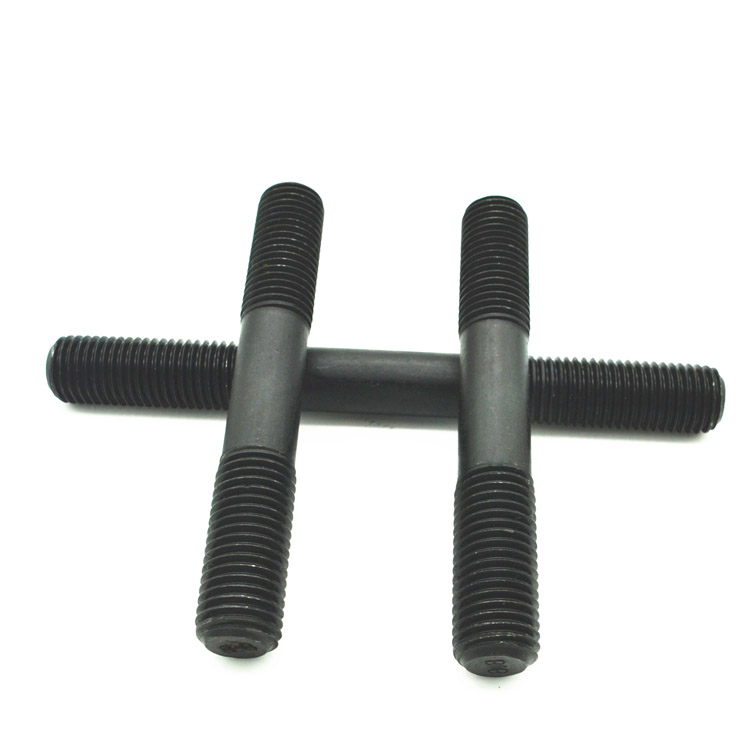
ISO hexagon socket bolts, also known as Allen head bolts, are cylindrical fasteners characterized by a hexagonal recess in their head. They are a critical component in numerous industrial applications spanning automotive, aerospace, machinery, and construction. Positioned within the fastener industry chain as a high-strength, precision fastening solution, they offer superior torque transmission compared to traditional hexagonal head bolts. Their inherent design minimizes stress concentration, contributing to enhanced clamping force and prolonged service life. Core performance characteristics include tensile strength, shear strength, fatigue resistance, and corrosion protection, all dictated by material composition and manufacturing processes. A primary industry pain point revolves around ensuring consistent dimensional accuracy to prevent assembly issues and maintaining reliable torque-tension relationships, especially within automated assembly lines.
Material Science & Manufacturing
ISO hexagon socket bolts are commonly manufactured from carbon steels (e.g., SAE 1045, SAE 4140), alloy steels, and stainless steels (e.g., 304, 316). Carbon steels offer a balance of strength and cost-effectiveness, while alloy steels provide increased strength, toughness, and hardenability through the addition of elements like chromium, molybdenum, and manganese. Stainless steels deliver superior corrosion resistance. Material selection fundamentally influences mechanical properties. For instance, tensile strength is directly correlated with carbon content and alloy composition, with higher carbon generally increasing strength but reducing ductility. Manufacturing processes typically begin with cold heading or hot forging to form the bolt shape. Cold heading provides excellent surface finish and dimensional control, suitable for high-volume production. Hot forging is used for larger bolt sizes and higher strength materials. Following forming, heat treatment is crucial: hardening and tempering refine the microstructure, achieving the desired strength and toughness levels. Surface treatments like zinc plating, phosphate coating, or passivation enhance corrosion resistance. Critical parameters during manufacturing include die geometry in cold heading, forging temperature and pressure, quenching media and temperature, tempering temperature and time, and coating thickness. Dimensional accuracy is verified through rigorous quality control using coordinate measuring machines (CMM) and optical comparators.
Performance & Engineering
The performance of ISO hexagon socket bolts is governed by several engineering principles. Force analysis centers around the bolt’s ability to withstand tensile, shear, and torsional loads. Tensile strength represents the maximum tensile stress the bolt can bear before fracture, while shear strength defines its resistance to forces acting parallel to the cross-section. The torque-tension relationship is paramount; accurate tightening torque translates to the desired clamping force, ensuring a secure joint. This relationship is affected by the bolt's material, surface finish, and thread lubrication. Environmental resistance is critical, particularly in corrosive environments. Stainless steel bolts offer inherent corrosion resistance, but even they can be susceptible to pitting corrosion or crevice corrosion in harsh conditions. Protective coatings provide an additional layer of defense. Compliance requirements, dictated by standards like ISO 898-1, specify mechanical properties, dimensional tolerances, and material composition. Functional implementation necessitates considering the bolt's preload, fatigue life, and potential for loosening due to vibration. Finite element analysis (FEA) is often employed to simulate stress distribution and optimize bolt geometry for specific applications. A common industry challenge is preventing bolt loosening, addressed through locking mechanisms like thread-locking adhesives, nylon inserts, or prevailing torque nuts.
Technical Specifications
| Property | Grade 4.8 | Grade 8.8 | Grade 10.9 | Grade 12.9 |
|---|---|---|---|---|
| Tensile Strength (MPa) | 400 | 800 | 1000 | 1200 |
| Yield Strength (MPa) | 240 | 600 | 900 | 1100 |
| Hardness (HB) | 140-190 | 240-340 | 320-400 | 380-450 |
| Elongation (%) | 16 | 12 | 10 | 8 |
| Chemical Composition (C max) | 0.25 | 0.25 | 0.28 | 0.33 |
| Typical Applications | General Machinery | Automotive, Machinery | High-Stress Applications | Critical Fastening, Aerospace |
Failure Mode & Maintenance
Failure modes in ISO hexagon socket bolts are multifaceted. Fatigue cracking, initiated by cyclical loading, is a common issue, particularly in high-vibration environments. Stress concentration at the thread roots or within the hexagonal socket exacerbate this risk. Shear failure occurs when the applied shear stress exceeds the material's shear strength. Hydrogen embrittlement, a phenomenon observed in high-strength steels exposed to hydrogen-containing environments, can lead to brittle fracture. Stripping of the hexagonal socket is another frequent failure, often resulting from excessive torque application or using an improperly sized Allen key. Corrosion, especially in unprotected carbon steel bolts, causes weakening and eventual failure. Maintenance strategies focus on preventative measures. Regular inspection for signs of corrosion, cracking, or stripping is crucial. Applying appropriate lubrication during assembly reduces friction and prevents galling. Torque wrenches should be calibrated regularly to ensure accurate tightening. In critical applications, bolts should be periodically retightened to compensate for creep relaxation. Failure analysis, involving metallographic examination and fracture surface analysis, is vital to determine the root cause of failures and implement corrective actions. Replacement with appropriately rated bolts is essential after identifying any signs of damage or wear.
Industry FAQ
Q: What is the significance of the bolt grade marking on an ISO hexagon socket bolt?
A: The bolt grade marking (e.g., 4.8, 8.8, 10.9) indicates the tensile strength and yield strength of the bolt material. The first two digits represent one-hundredth of the ultimate tensile strength in MPa, and the second two digits represent one-tenth of the yield strength in MPa. A higher grade generally signifies a stronger bolt, capable of withstanding greater loads. Selecting the correct grade is paramount for ensuring the structural integrity of the assembly.
Q: How does the type of coating affect the corrosion resistance of ISO hexagon socket bolts?
A: The coating significantly impacts corrosion resistance. Zinc plating provides sacrificial protection, corroding before the base material. Phosphate coating creates a conversion layer that enhances paint adhesion and offers moderate corrosion protection. Passivation, used for stainless steel, forms a protective oxide layer. Hot-dip galvanizing provides a thicker, more durable zinc coating for severe environments. The choice of coating depends on the application environment and the desired level of protection.
Q: What are the key considerations when selecting a bolt material for a high-temperature application?
A: For high-temperature applications, creep resistance and oxidation resistance are critical. Alloy steels containing chromium and molybdenum are often preferred as they maintain strength at elevated temperatures. Stainless steels, particularly austenitic grades like 316, offer good oxidation resistance. The temperature range and the presence of corrosive atmospheres dictate the optimal material selection. Heat treatment can also influence high-temperature performance.
Q: How does thread lubrication affect the tightening torque required to achieve a specific clamping force?
A: Thread lubrication reduces friction between the bolt threads and the nut threads, allowing a lower tightening torque to achieve the same clamping force. Without lubrication, a higher torque is required to overcome friction, potentially leading to over-tightening and bolt failure. Appropriate lubrication ensures a consistent and reliable torque-tension relationship. The type of lubricant should be compatible with the bolt material and the application environment.
Q: What is the best method for preventing loosening of ISO hexagon socket bolts in a vibrating environment?
A: Several methods can prevent loosening in vibrating environments. Thread-locking adhesives chemically bond the threads together. Nylon inserts or prevailing torque nuts create friction that resists loosening. Proper tightening torque, in accordance with the manufacturer’s recommendations, is crucial. The use of lock washers can also provide additional resistance to vibration. Regular inspection and retightening are essential preventative maintenance practices.
Conclusion
ISO hexagon socket bolts are indispensable fasteners whose performance is intimately linked to material science, manufacturing precision, and engineering principles. A comprehensive understanding of these elements – from tensile strength and yield strength to corrosion resistance and fatigue life – is crucial for selecting the optimal bolt for a given application. The correct grade, material, coating, and tightening torque are paramount to ensuring joint integrity and preventing premature failure.
Future developments in bolt technology will likely focus on advanced materials (e.g., high-strength low-alloy steels, titanium alloys), innovative coatings (e.g., self-healing coatings), and smart fastening systems incorporating sensors to monitor bolt preload and detect loosening. Continued research into failure analysis techniques and predictive modeling will further enhance the reliability and longevity of bolted joints across diverse industrial sectors.