
Introduction
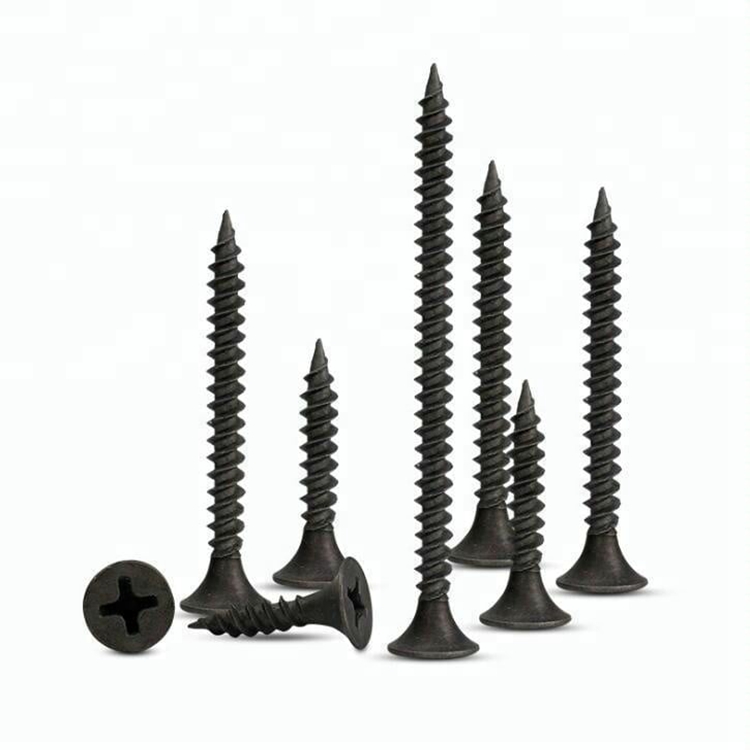
Self-tapping screws are fasteners that create their own threads as they are driven into a material. Unlike machine screws which require a pre-tapped hole, self-tapping screws eliminate this secondary operation, streamlining assembly processes and reducing manufacturing costs. They occupy a critical position within the fastening industry, serving as a primary joining method across diverse sectors including automotive, aerospace, construction, and electronics. Their core performance characteristics revolve around thread-forming capability, shear strength, tensile strength, and resistance to stripping. A significant industry pain point lies in selecting the correct screw type and material for specific applications, often leading to premature failure or increased maintenance costs. Understanding the nuances of screw design, material properties, and installation techniques is paramount for ensuring reliable and durable assemblies.
Material Science & Manufacturing
Self-tapping screws are commonly manufactured from carbon steel, alloy steel, stainless steel (304, 316, 410), and sometimes aluminum or plastic depending on the application. Carbon steel screws are often zinc-plated or coated with other corrosion-resistant materials. The raw material’s tensile strength and hardness directly impact the screw’s performance. Manufacturing typically begins with wire drawing to achieve the desired diameter. This is followed by cold heading, where the wire is formed into the screw head shape. A crucial step is thread rolling, a cold-forming process that imparts the helical thread form onto the screw blank using specialized dies. Precise control of die angles, feed rates, and lubrication are critical for achieving consistent thread geometry and preventing surface defects. Heat treatment, such as hardening and tempering, is often employed to enhance the screw's strength and ductility. The final stage involves surface treatment (plating, coating) and quality inspection. The metallurgical structure of the steel influences its formability and susceptibility to hydrogen embrittlement during the plating process, a common source of failure. Variations in the carbon content and alloy composition directly correlate to the screw’s resistance to shear and tensile forces, as well as its corrosion resistance.
Performance & Engineering
The performance of a self-tapping screw is governed by several engineering principles. Thread engagement is critical; insufficient thread engagement results in stripping. Force analysis reveals that the screw experiences tensile loads (pulling apart) and shear loads (sliding forces). The screw’s shear strength must exceed the expected shear forces in the application. Tensile strength determines the screw's resistance to being pulled out of the material. Environmental resistance, particularly corrosion resistance, is paramount in outdoor or harsh environments. Different screw point types (Type A, Type AB, Type B) are engineered for specific materials. Type A screws are designed for thin sheet metal, Type AB for heavier gauge metal, and Type B for plastics and softer materials. Compliance requirements, such as RoHS and REACH, dictate restrictions on the use of hazardous substances. The angle of the thread and the pitch (distance between threads) affect the screw’s self-tapping ability and holding power. Calculating the torque required for proper installation is crucial. Over-torquing can strip the threads, while under-torquing can lead to loosening. Finite Element Analysis (FEA) is often employed to optimize screw geometry and predict stress distribution under various loading conditions. Material selection must account for the coefficient of thermal expansion differences between the screw and the joined materials, particularly in applications with temperature fluctuations.
Technical Specifications
| Screw Diameter (mm) | Screw Length (mm) | Material Grade | Tensile Strength (MPa) |
|---|---|---|---|
| M3 | 12 | Carbon Steel (C1022) | 500 |
| M4 | 20 | Stainless Steel 304 | 620 |
| M5 | 25 | Alloy Steel (4140) | 896 |
| M6 | 30 | Carbon Steel (C1022) - Zinc Plated | 500 |
| M8 | 40 | Stainless Steel 316 | 700 |
| M10 | 50 | Alloy Steel (4140) - Black Oxide | 896 |
Failure Mode & Maintenance
Common failure modes for self-tapping screws include thread stripping (due to excessive torque or insufficient thread engagement), shear failure (due to exceeding the shear strength), tensile failure (due to excessive pulling force), corrosion (leading to material degradation), and hydrogen embrittlement (especially in high-strength steel screws after plating). Fatigue cracking can occur under cyclic loading, initiated by stress concentrations at the thread roots. Delamination can happen when tapping into laminated materials. Oxidation of the screw material weakens its structure over time. Preventative maintenance involves periodic inspection for signs of corrosion or loosening. Applying a suitable lubricant during installation reduces friction and minimizes the risk of stripping. Selecting the correct screw material and size for the application is the most critical preventative measure. When corrosion is a concern, using stainless steel or coated screws is recommended. If stripping occurs, the screw should be replaced with a larger diameter screw or a screw with a different thread form. Retorquing screws periodically can prevent loosening due to vibration or thermal expansion/contraction.
Industry FAQ
Q: What is the difference between a Type A and a Type B self-tapping screw, and when would I use each?
A: Type A screws have a sharp, gimlet point designed for thinner sheet metal, typically 22 gauge or less. They create their own hole and tap the threads simultaneously. Type B screws have a blunt, blunted point and are intended for thicker materials or plastics. They require a pilot hole to prevent breakage and allow for easier thread formation. Using a Type A screw in thick material will likely result in breakage, while a Type B screw without a pilot hole will struggle to engage and can damage the material.
Q: How does the zinc plating process affect the mechanical properties of a carbon steel self-tapping screw?
A: Zinc plating provides corrosion resistance but can introduce hydrogen into the steel, a process known as hydrogen embrittlement. This can reduce the screw’s ductility and load-bearing capacity, particularly for high-strength steels. Post-plating heat treatment (baking) is often employed to drive out the absorbed hydrogen and restore the screw’s mechanical properties. However, the effectiveness of baking depends on the steel’s composition and the plating process.
Q: What torque should I apply when installing a self-tapping screw into aluminum?
A: Torque values for aluminum are significantly lower than for steel due to the softer nature of the material. The appropriate torque depends on the screw diameter, length, and the aluminum alloy. As a general guideline, start with a lower torque value and gradually increase it until the screw is fully seated without stripping the threads. Using a torque wrench is crucial. Consulting manufacturer specifications or conducting testing is highly recommended.
Q: How can I prevent corrosion when using self-tapping screws in a marine environment?
A: In marine environments, stainless steel 316 is the preferred material due to its superior corrosion resistance compared to 304. Additionally, consider using screws with a polymer coating for added protection. Avoiding dissimilar metal contact (e.g., using stainless steel screws with aluminum components) can also minimize galvanic corrosion. Regular inspection and application of corrosion inhibitors are recommended.
Q: What is the significance of the thread pitch in a self-tapping screw?
A: Thread pitch refers to the distance between adjacent threads. A finer pitch provides greater holding power and is suitable for softer materials, while a coarser pitch is better for harder materials and faster assembly. A finer pitch distributes the load over a larger area, reducing the risk of stripping. The appropriate pitch depends on the material being fastened and the required strength of the joint.
Conclusion
Self-tapping screws represent a critical fastening solution across a wide spectrum of industries. Their performance is dictated by a complex interplay of material science, manufacturing precision, and engineering design. Careful consideration of screw material, point type, thread form, and installation torque is essential to ensure reliable and durable assemblies. Selecting the correct screw for the intended application mitigates the risk of premature failure due to stripping, shear, corrosion, or fatigue.
Future advancements in self-tapping screw technology will likely focus on developing new materials with enhanced corrosion resistance and strength, as well as optimizing thread designs for improved thread-forming capability. The integration of smart fasteners with embedded sensors for torque monitoring and predictive maintenance represents another promising area of development. Continued research and adherence to industry standards will drive innovation and ensure the continued efficacy of these essential components.