
Introduction
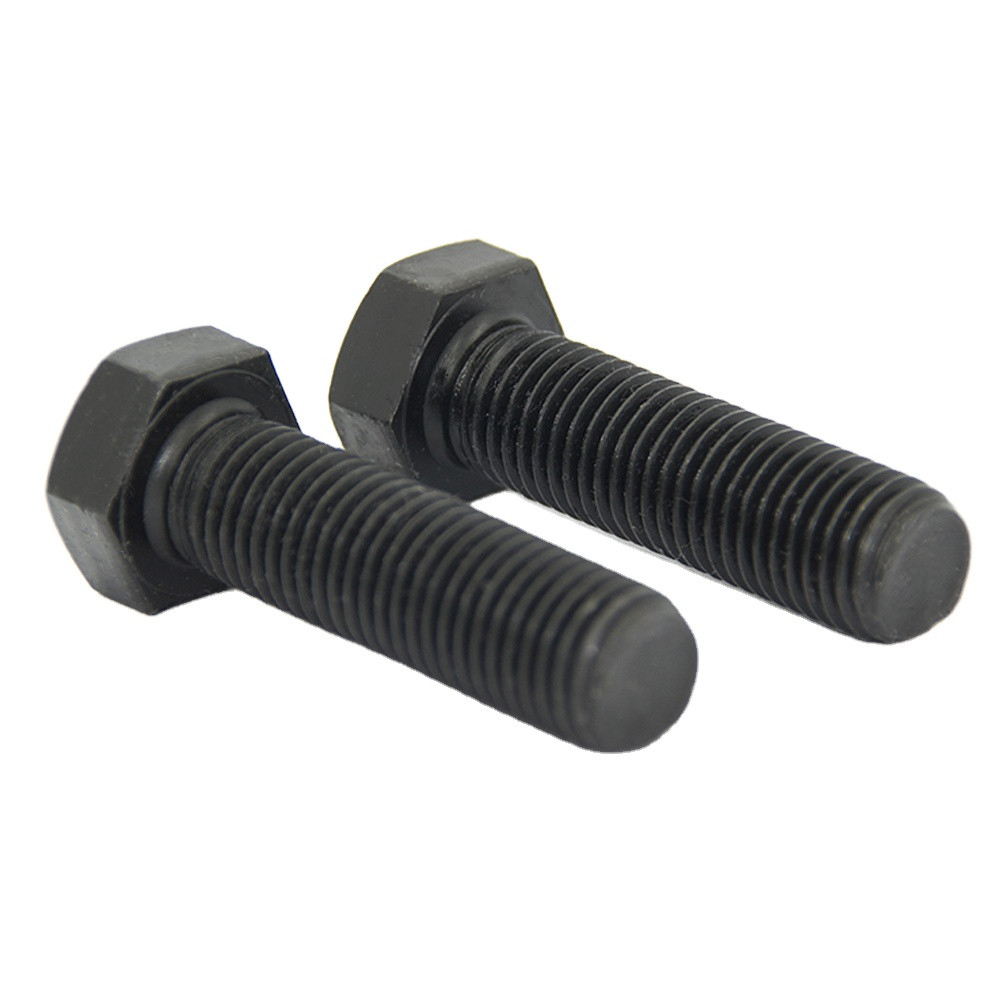
Galvanized stud bolts are high-strength fasteners utilized extensively in structural applications where corrosion resistance is paramount. Positioned within the fastening element supply chain, these bolts serve as critical components in joining materials, particularly in construction, infrastructure, and industrial assembly. The galvanization process – typically hot-dip galvanizing – provides a zinc coating, offering cathodic protection to the underlying steel. Core performance characteristics include tensile strength, yield strength, shear strength, and the quality/thickness of the zinc coating, directly impacting longevity and structural integrity. They are commonly used in applications requiring resistance to atmospheric corrosion, marine environments, and chemical exposure. The industry faces ongoing challenges related to consistent coating thickness, hydrogen embrittlement, and maintaining mechanical properties post-galvanization. This guide provides an in-depth technical overview of galvanized stud bolts, covering materials, manufacturing, performance, failure modes, and relevant standards.
Material Science & Manufacturing
Galvanized stud bolts are predominantly manufactured from medium carbon steel, typically conforming to ASTM A193 Grade B7 or equivalent (e.g., DIN 8.8, ISO 8.8). The steel’s composition dictates its hardenability and strength. Common alloying elements include manganese, chromium, and molybdenum. The manufacturing process begins with hot forging or cold heading to form the bolt blank. Following forming, the bolts undergo heat treatment—typically quenching and tempering—to achieve the desired mechanical properties. This is crucial for developing the required tensile and yield strengths.
The galvanization process is typically hot-dip galvanizing, involving immersing the steel bolts in a molten zinc bath (typically 98% pure zinc) at approximately 450°C (842°F). This creates a metallurgical bond between the zinc and the steel substrate, forming a series of zinc-iron alloy layers. Key parameters during galvanizing include steel surface preparation (acid pickling and fluxing to remove oxides and promote adhesion), immersion time, zinc bath temperature, and cooling rate. The cooling process influences the formation of the zinc-iron alloy layers, which provide enhanced corrosion protection compared to a purely zinc coating. Post-galvanization, quality control checks include coating thickness measurement (using magnetic non-destructive testing), visual inspection for defects (e.g., uneven coating, drips, runs), and adherence testing. Alternative galvanization methods, like mechanical plating or electro-galvanizing, offer different coating characteristics but are less common for high-strength structural applications due to lower coating thickness and reduced corrosion resistance. Hydrogen embrittlement is a critical concern during acid pickling and can be mitigated through post-cleaning and baking processes.
Performance & Engineering
The performance of galvanized stud bolts is governed by several engineering principles. Tensile strength, typically ranging from 690 MPa to 1000 MPa (depending on grade), determines the bolt’s ability to resist axial pulling forces. Yield strength, generally around 520 MPa to 830 MPa, dictates the point at which permanent deformation begins. Shear strength, critical for resisting lateral forces, is also a key parameter. Corrosion resistance is provided by the zinc coating, which acts as a barrier and provides sacrificial protection; the zinc corrodes preferentially, protecting the underlying steel.
Environmental resistance is significantly affected by the zinc coating thickness. In marine environments or areas with high salt exposure, a thicker coating (e.g., exceeding 85 μm per ASTM A153) is essential. The zinc coating’s effectiveness diminishes over time due to corrosion. The corrosion rate depends on environmental factors such as salinity, humidity, and pollution levels. Bolts are subject to preload during installation, which induces tensile stress in the bolt and clamp load on the joined materials. Maintaining appropriate preload is critical for joint integrity and preventing loosening. Finite element analysis (FEA) is frequently used to model stress distribution and optimize bolt design for specific applications. Compliance requirements vary by industry and geographic location, often referencing standards like AISC, ASTM, and EN. Hydrogen embrittlement, as mentioned earlier, reduces ductility and load-carrying capacity; specialized coatings or post-treatment processes may be necessary to mitigate this risk.
Technical Specifications
| Parameter | ASTM A193 Grade B7 | DIN 8.8 | ISO 8.8 | Typical Galvanization (Hot-Dip) |
|---|---|---|---|---|
| Tensile Strength (MPa) | 690-1000 | 800 | 800 | No Direct Impact |
| Yield Strength (MPa) | 520-830 | 640 | 640 | No Direct Impact |
| Coating Thickness (µm) | N/A | N/A | N/A | ≥85 (ASTM A153) |
| Zinc Coating Type | N/A | N/A | N/A | Hot-Dip Galvanized |
| Hardness (HRC) | 30-35 | 24-30 | 24-30 | No Direct Impact |
| Minimum Shear Strength (MPa) | 414 | 500 | 500 | No Direct Impact |
Failure Mode & Maintenance
Galvanized stud bolts are susceptible to several failure modes. Corrosion is a primary concern, particularly in aggressive environments. Localized corrosion, such as pitting corrosion, can initiate at defects in the zinc coating or due to the presence of chloride ions. Hydrogen embrittlement, as previously discussed, can lead to brittle fracture, especially under high stress. Fatigue cracking can occur under cyclical loading, initiated at stress concentrators (e.g., thread roots). Shear failure can result from excessive shear loads or improper installation. Thread stripping can occur if the bolt is over-tightened or if the mating material is weak.
Preventative maintenance is critical for ensuring long-term performance. Regular inspection of bolts for signs of corrosion, damage, or loosening is essential. Re-tightening bolts to the correct preload helps maintain joint integrity. Applying a protective coating (e.g., a zinc-rich paint) over the galvanized surface can provide additional corrosion protection. For critical applications, consider using corrosion inhibitors. If bolts show signs of significant corrosion or damage, they should be replaced. Proper storage of bolts is also important; they should be protected from moisture and corrosive environments. Periodic testing of coating thickness is recommended in heavily corroded environments. Following recommended torque specifications during installation is crucial to avoid both under-tightening (leading to loosening) and over-tightening (leading to thread stripping or pre-stress induced failures).
Industry FAQ
Q: What is the impact of chloride exposure on the longevity of galvanized stud bolts?
A: Chloride ions, commonly found in marine environments and de-icing salts, accelerate corrosion of the zinc coating. They penetrate the coating and promote pitting corrosion, which can rapidly compromise the bolt’s integrity. Thicker zinc coatings and the use of supplemental protective coatings are recommended in chloride-rich environments. Regular inspection and cleaning are also crucial.
Q: How does the hot-dip galvanizing process affect the mechanical properties of high-strength bolts like Grade B7?
A: The hot-dip galvanizing process can potentially reduce the ductility of high-strength bolts due to hydrogen embrittlement. This is mitigated through post-galvanization baking treatments to drive out absorbed hydrogen. Proper control of the pickling process and the use of inhibitors can also minimize hydrogen uptake.
Q: What are the advantages of using stud bolts versus fully threaded bolts in structural applications?
A: Stud bolts provide a greater tensile strength area compared to fully threaded bolts of the same size and length. The unthreaded portion of the stud bolt allows for a greater clamping force to be applied without stressing the threads. They are also easier to install and maintain consistent preload.
Q: What is the acceptable tolerance for zinc coating thickness, and how is it measured?
A: Acceptable tolerance for zinc coating thickness is typically specified in ASTM A153. It generally ranges from 85 μm to 127 μm depending on the application. Coating thickness is commonly measured using non-destructive methods such as magnetic gauges, which measure the thickness of the zinc coating without damaging the bolt.
Q: What considerations should be taken into account when specifying galvanized stud bolts for high-temperature applications?
A: The zinc coating's corrosion protection properties begin to degrade at temperatures exceeding approximately 100°C (212°F). At higher temperatures, the zinc can melt or oxidize. For high-temperature applications, alternative corrosion protection methods or the use of high-temperature alloys should be considered.
Conclusion
Galvanized stud bolts represent a crucial fastening solution for a wide range of structural and industrial applications where corrosion resistance and high strength are essential. The manufacturing process, centered around steel selection and controlled hot-dip galvanization, directly impacts the bolt's performance characteristics. Understanding the potential failure modes – corrosion, hydrogen embrittlement, and fatigue – is critical for ensuring long-term reliability.
Effective maintenance practices, including regular inspection, re-tightening, and protective coatings, are vital for maximizing the service life of these fasteners. Adherence to relevant international standards (ASTM, ISO, DIN, EN) is paramount for ensuring quality and compliance. Continued research and development are focused on improving galvanization processes and developing more durable coatings to address the ongoing challenges of corrosion and environmental degradation.