
Introduction
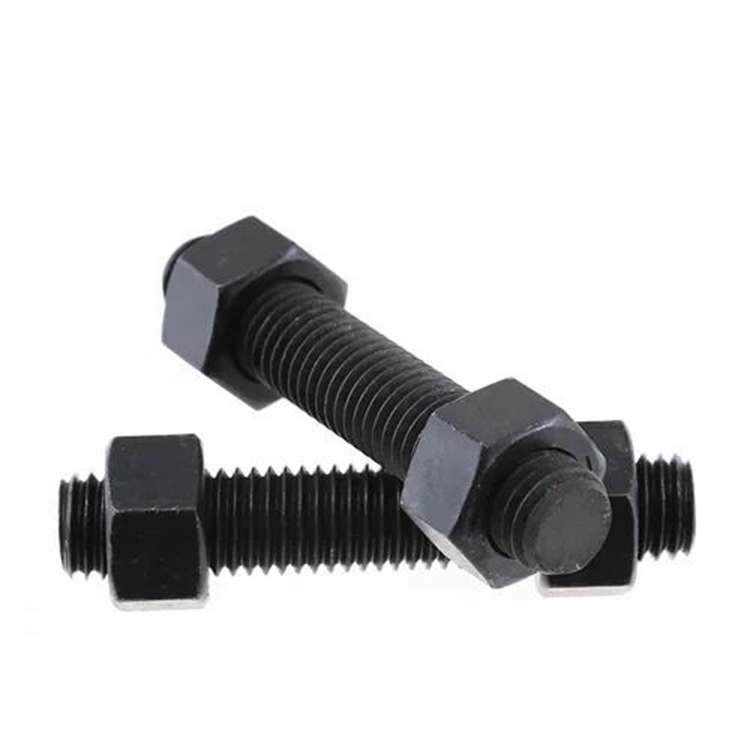
The flat washer is a fundamental fastening component utilized across a vast spectrum of industries, including automotive, aerospace, construction, and general manufacturing. Classified as a non-threaded fastener, its primary function is to distribute load over a wider area, preventing damage to the connected surface and providing a more secure fastening solution when used in conjunction with bolts and nuts. Its technical position within the fastening chain is as a critical interface element, mitigating stress concentrations and enhancing the clamp load capacity of the overall assembly. Core performance characteristics include load distribution efficiency, resistance to deformation under compressive stress, and compatibility with various bolt materials to avoid galvanic corrosion. Flat washers contribute significantly to joint integrity and longevity, minimizing the risk of fastener failure and ensuring structural stability.
Material Science & Manufacturing
Flat washers are commonly manufactured from a range of materials, each possessing unique properties impacting performance. Carbon steel (SAE 1010, 1018) is the most prevalent due to its cost-effectiveness and adequate strength for general applications. Stainless steel (304, 316) provides superior corrosion resistance, crucial in harsh environments. Alloy steels (4140, 8640) are employed for high-strength applications requiring increased tensile and yield strength. Other materials include aluminum, brass, and polymers, selected based on specific application needs. Manufacturing processes primarily involve stamping from sheet metal, followed by secondary operations such as deburring and, occasionally, heat treatment. Stamping parameters, including punch and die geometry, material thickness, and stroke rate, are critical to ensure dimensional accuracy and consistent material properties. Heat treatment, such as annealing, can relieve internal stresses induced during stamping and improve ductility. Material thickness is meticulously controlled, as it directly affects the washer's load-bearing capacity and deflection characteristics. Surface finish is also important; coatings like zinc plating or phosphate coating are applied to enhance corrosion resistance. The tensile strength of the raw material significantly influences the washer’s ability to withstand compressive loads without permanent deformation. Chemical composition is verified via spectrographic analysis to ensure adherence to material specifications.
Performance & Engineering
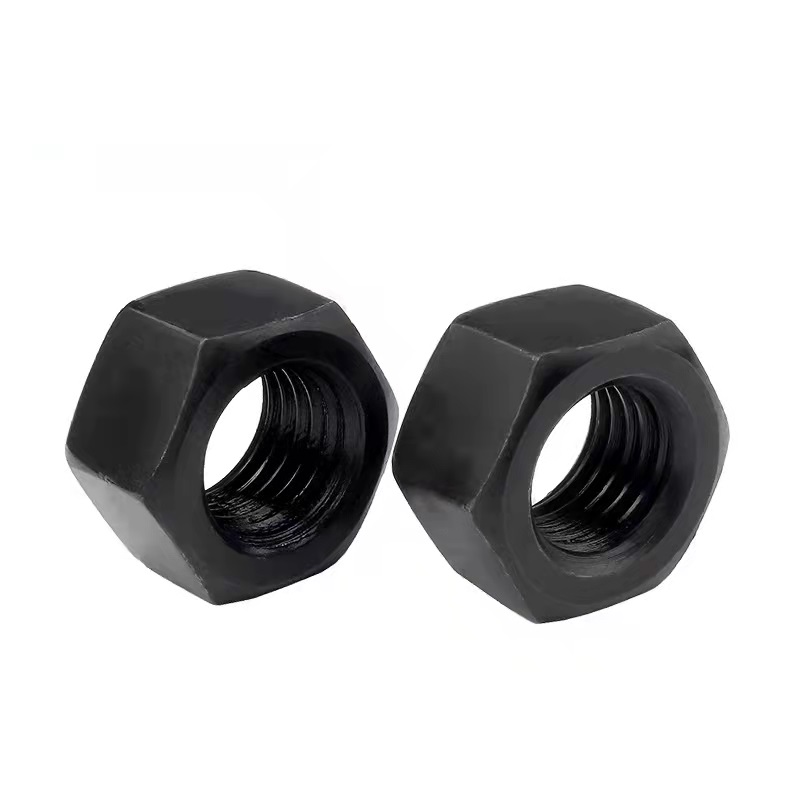
The performance of a flat washer is fundamentally governed by its ability to distribute load and resist deformation. Force analysis centers on compressive stress calculations, determining the maximum load the washer can withstand without exceeding its yield strength. Finite Element Analysis (FEA) is frequently used in design to simulate stress distribution and optimize washer geometry. Environmental resistance is a key consideration; exposure to temperature fluctuations, humidity, and corrosive agents can degrade material properties and reduce performance. Stainless steel washers demonstrate superior performance in these conditions. Compliance requirements vary by industry. Aerospace applications (e.g., AS9100) demand stringent material traceability and quality control. Automotive (e.g., IATF 16949) focuses on process reliability and failure prevention. Construction applications adhere to building codes and material standards. Functional implementation necessitates proper washer selection based on bolt size, material compatibility, and application-specific load requirements. The hardness of the washer material must be appropriate for the bolt’s hardness to prevent localized yielding. The washer’s inner diameter must be properly sized to provide sufficient contact area with the fastened surface. Consideration must be given to potential creep relaxation under sustained load, especially at elevated temperatures. Proper preloading of the bolt is crucial for maximizing the effectiveness of the washer in distributing load and maintaining joint integrity.
Technical Specifications
| Material | Inner Diameter (ID) – Inches | Outer Diameter (OD) – Inches | Thickness – Inches |
|---|---|---|---|
| Carbon Steel (SAE 1010) | 0.125 | 0.500 | 0.0625 |
| Stainless Steel (304) | 0.250 | 0.750 | 0.083 |
| Stainless Steel (316) | 0.375 | 1.000 | 0.109 |
| Aluminum (6061-T6) | 0.1875 | 0.625 | 0.050 |
| Alloy Steel (4140) | 0.500 | 1.250 | 0.125 |
| Brass (C36000) | 0.09375 | 0.375 | 0.03125 |
Failure Mode & Maintenance
Flat washers are susceptible to several failure modes, contingent upon operating conditions and material selection. Fatigue cracking can occur under cyclic loading, initiating at stress concentrations such as the inner or outer diameter. Corrosion, particularly in non-stainless steel materials, leads to material degradation and reduced load-bearing capacity. Creep, or time-dependent deformation under sustained load, can result in loss of clamping force. Delamination can occur in composite or coated washers due to poor adhesion between layers. Oxidation at high temperatures degrades material properties. Failure analysis often involves microscopic examination of fracture surfaces to identify the root cause. Preventative maintenance includes periodic inspection for corrosion, cracks, or deformation. Regular torque checks on fasteners ensure proper clamping force. Lubrication can reduce friction and prevent galling. In corrosive environments, protective coatings or the use of corrosion-resistant materials are essential. Proper storage of washers in a dry environment prevents rust formation. For high-stress applications, consider implementing a preventative maintenance schedule involving ultrasonic testing to detect subsurface cracks. Replace washers exhibiting any signs of damage or degradation to maintain joint integrity and prevent catastrophic failure. Selecting washers with appropriate hardness and ensuring compatibility with bolt materials mitigates the risk of galvanic corrosion.
Industry FAQ
Q: What is the impact of washer hardness on bolt performance?
A: Washer hardness must be compatible with bolt hardness. A washer significantly harder than the bolt can cause localized yielding of the bolt threads under load, reducing clamp load and potentially leading to failure. Conversely, a washer significantly softer than the bolt can deform more readily, reducing its effectiveness in distributing load.
Q: How do I select the correct washer size for a given application?
A: The washer’s inner diameter (ID) must be appropriately sized to the bolt shank. It should not be significantly larger than the bolt shank, as this reduces the contact area and diminishes its load-distributing capability. The outer diameter (OD) should be large enough to provide adequate bearing surface without interfering with adjacent components.
Q: What is the role of coatings on flat washers?
A: Coatings, such as zinc plating or phosphate coating, primarily enhance corrosion resistance. They provide a barrier between the washer material and the environment, preventing rust and degradation. Coatings can also reduce friction and improve the aesthetic appearance.
Q: Can I reuse flat washers?
A: Reusing flat washers is generally discouraged, especially in critical applications. Repeated compression and exposure to environmental factors can cause deformation, corrosion, and loss of springiness. It’s best practice to replace washers with new ones to ensure consistent performance and maintain joint integrity.
Q: How does material choice affect the long-term reliability of a washer?
A: Material selection is paramount for long-term reliability. Carbon steel is suitable for general applications, but stainless steel is preferable in corrosive environments. Alloy steels offer higher strength for demanding applications. Choosing the correct material based on the operating environment and load requirements significantly extends the washer's service life.
Conclusion
The flat washer, despite its seemingly simple design, is an indispensable component in countless fastening assemblies. Its effectiveness hinges upon a comprehensive understanding of material science, manufacturing processes, and engineering principles. Proper material selection, precise dimensional control, and consideration of environmental factors are critical to ensuring optimal performance and preventing premature failure. By meticulously analyzing load distribution, stress concentrations, and potential failure modes, engineers can select and utilize flat washers to achieve robust and reliable fastening solutions.
Future advancements in washer technology may focus on the development of novel materials with enhanced corrosion resistance and strength-to-weight ratios, as well as the implementation of smart washers with integrated sensors for monitoring load and detecting potential issues. Furthermore, optimization of washer geometry through advanced simulation techniques will continue to improve load distribution and minimize stress concentrations. Continued adherence to stringent quality control standards and industry best practices is vital for maintaining the integrity and longevity of fastened joints across all industries.