
Introduction
Carbon steel hexagon socket bolts are cylindrical fasteners with a hexagonal socket drive, widely utilized across numerous industries including automotive, construction, and machinery. These bolts represent a critical component in mechanical assemblies, providing a secure clamping force through threaded engagement. Their primary function is to join materials, resisting tensile, shear, and vibrational forces. Unlike headed bolts relying on wrench contact, hexagon socket bolts are driven by an Allen wrench, offering increased torque transfer capability in confined spaces and a cleaner aesthetic finish. The selection of appropriate carbon steel grades and coatings is paramount to achieving optimal performance, considering factors such as load requirements, environmental conditions, and corrosion resistance. Industry pain points frequently revolve around fatigue failure due to cyclical loading, corrosion in harsh environments, and inconsistencies in material quality impacting long-term reliability. Understanding the nuances of carbon steel composition, manufacturing processes, and failure mechanisms is therefore vital for engineers and procurement professionals.
Material Science & Manufacturing
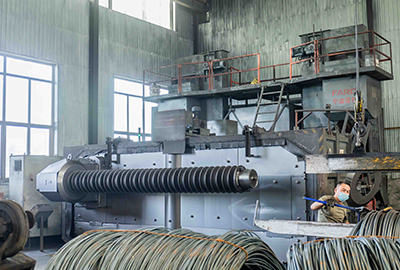
Carbon steel hexagon socket bolts are predominantly manufactured from medium carbon steels, typically ranging from AISI/SAE 1035 to 1045. These steels offer a balance between strength, ductility, and hardenability. The raw material begins as carbon steel billets or wire rod, the chemical composition of which is tightly controlled to meet specific standards. The manufacturing process commonly involves cold heading. This process utilizes compressive forces to shape the steel into the desired bolt geometry within a die. Cold heading enhances the material’s tensile strength due to strain hardening. Following heading, bolts undergo machining operations to form the hexagon socket, utilizing drills or broaches. The socket dimensions, specifically the drive size and depth, are critical for proper wrench engagement and torque transmission. Heat treatment, including hardening and tempering, is essential to achieve the specified mechanical properties. Hardening typically involves austenitizing followed by quenching, while tempering reduces brittleness and increases toughness. Surface treatments, such as zinc plating, black oxide coating, or phosphate coating, provide corrosion resistance and improve lubricity. Parameter control during cold heading (force, speed, die geometry), heat treatment (temperature, time, cooling rate), and surface treatment (coating thickness, bath composition) are crucial for consistent quality and performance. Material defects such as inclusions, porosity, and surface cracks must be minimized through stringent quality control procedures, including non-destructive testing methods like ultrasonic inspection and magnetic particle inspection.
Performance & Engineering
The performance of carbon steel hexagon socket bolts is dictated by their tensile strength, yield strength, shear strength, and fatigue resistance. Tensile strength refers to the maximum stress the bolt can withstand before fracturing under a tensile load. Yield strength represents the stress at which permanent deformation begins. Shear strength indicates the bolt’s resistance to forces applied parallel to its cross-section. Fatigue resistance is critical in applications involving cyclical loading, determining the bolt’s lifespan before failure due to crack propagation. Force analysis during design must consider preload (the initial tension applied to the bolt during tightening), external loads, and joint stiffness. Proper preload is essential for preventing loosening and maintaining clamping force. Environmental resistance is a significant concern, especially in corrosive environments. Carbon steel is susceptible to corrosion, which can significantly reduce its strength and lifespan. Protective coatings and material selection (e.g., alloy steel alternatives) mitigate this risk. Compliance requirements vary depending on the industry and application. For instance, automotive applications adhere to stringent standards like IATF 16949, while construction projects follow building codes and material specifications. Functional implementation requires careful consideration of bolt grade, size, length, and thread pitch. Proper tightening torque, calculated based on bolt diameter, material, and lubrication, must be applied to achieve optimal clamping force without exceeding the bolt’s yield strength. Failure to adhere to these parameters can lead to joint failure, equipment damage, or safety hazards.
Technical Specifications
| Grade | Tensile Strength (MPa) | Yield Strength (MPa) | Hardness (HRC) |
|---|---|---|---|
| 4.8 | 400 | 240 | 24-32 |
| 8.8 | 800 | 640 | 32-38 |
| 10.9 | 1000 | 900 | 34-40 |
| 12.9 | 1200 | 1100 | 38-44 |
| Coating (Zinc Plating) | Zinc Thickness (µm) | Corrosion Resistance (Salt Spray Test - hours) | Coating Uniformity |
| Standard | 5-25 | 24-720 | +/- 2µm |
Failure Mode & Maintenance
Carbon steel hexagon socket bolts are susceptible to several failure modes. Fatigue cracking is a common issue in applications involving cyclical loading, initiating at stress concentrators like the socket head or thread root. Corrosion, particularly in chloride-rich environments, leads to pitting corrosion and hydrogen embrittlement, weakening the bolt. Stripped threads occur when excessive torque is applied or the threads are damaged during installation. Over-tightening can cause bolt elongation and eventual fracture. Shear failure happens when the bolt is subjected to excessive shear loads exceeding its shear strength. Maintenance primarily involves regular inspection for signs of corrosion, cracking, or loosening. Torque checks should be performed periodically to ensure adequate clamping force. Lubrication with appropriate thread lubricants reduces friction and prevents galling during tightening and loosening. If corrosion is detected, the bolt should be replaced. In critical applications, ultrasonic testing or magnetic particle inspection can identify subsurface cracks before catastrophic failure occurs. Preventive maintenance schedules, aligned with application-specific loading conditions and environmental factors, are vital for maximizing bolt lifespan and ensuring the integrity of assembled structures. Damaged or corroded bolts should always be replaced rather than reused.
Industry FAQ
Q: What is the impact of thread engagement length on bolt strength?
A: Thread engagement length significantly influences bolt strength. A longer engagement length increases the shear area, improving shear resistance. However, it also increases the risk of thread stripping if over-tightened. Optimal engagement length depends on the bolt diameter, material, and applied load, typically ranging from 1 to 1.5 times the bolt diameter.
Q: How does temperature affect the performance of carbon steel bolts?
A: Elevated temperatures can reduce the yield strength and tensile strength of carbon steel. Extreme cold temperatures can increase brittleness and susceptibility to fracture. The specific impact depends on the steel grade and temperature range. High-temperature applications may require alloy steel bolts with improved heat resistance.
Q: What are the advantages of using hexagon socket bolts over traditional hex head bolts?
A: Hexagon socket bolts offer several advantages. They allow for higher torque transfer in confined spaces due to the internal drive. The flush head profile provides a cleaner aesthetic. The internal drive minimizes the risk of damage to surrounding components during tightening. However, they can be more susceptible to cam-out if the Allen wrench is not properly seated.
Q: What is the role of surface treatments in preventing corrosion?
A: Surface treatments like zinc plating, black oxide, and phosphate coating create a protective barrier between the steel and the environment. Zinc plating provides galvanic protection, sacrificing itself to prevent corrosion of the underlying steel. Black oxide creates a passive layer that inhibits corrosion. Phosphate coating improves paint adhesion and provides a degree of corrosion resistance.
Q: How do I determine the correct tightening torque for a carbon steel bolt?
A: Correct tightening torque is calculated based on several factors, including bolt diameter, material, thread pitch, lubrication, and preload requirements. Torque charts and engineering formulas are available to determine the appropriate torque value. Using a calibrated torque wrench is essential for accurate tightening and preventing over- or under-tightening.
Conclusion
Carbon steel hexagon socket bolts remain a foundational fastening element across diverse industrial applications. Their strength, versatility, and cost-effectiveness contribute to their widespread use. However, realizing optimal performance necessitates a deep understanding of material science, manufacturing processes, and potential failure modes. Proper material selection, controlled manufacturing, and appropriate surface treatments are crucial for mitigating corrosion, fatigue, and thread stripping.
Continued advancements in coating technologies, high-strength steel alloys, and non-destructive testing methods will further enhance the reliability and longevity of these critical components. Adherence to relevant industry standards, coupled with meticulous maintenance practices, ensures the safe and efficient operation of assembled structures and machinery. The meticulous consideration of these technical aspects is paramount for engineers and procurement managers alike.