
Introduction
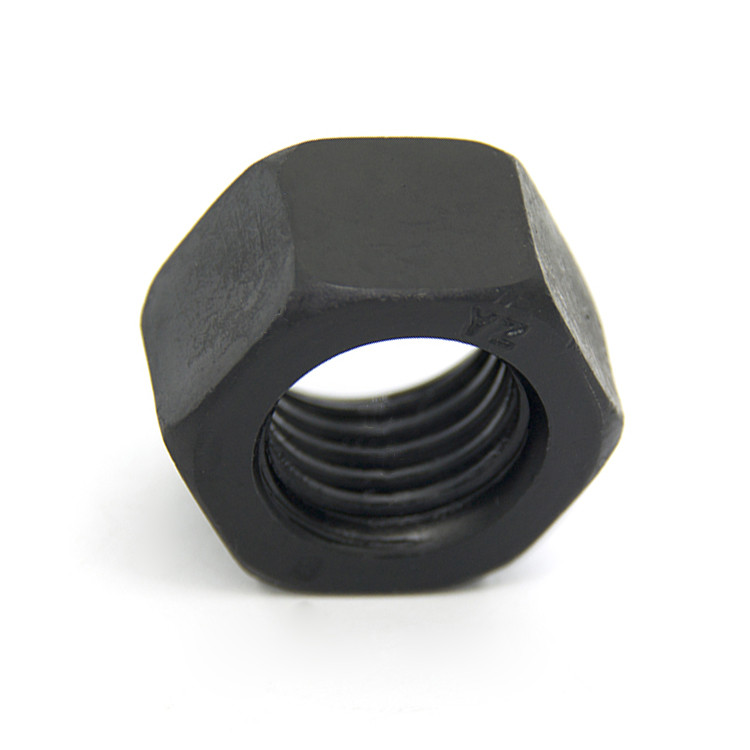
Full thread hexagon socket bolts are cylindrical fasteners characterized by a hexagonal socket drive and threads extending along the entire length of the shank. Positioned within the mechanical fastening supply chain, these bolts serve as critical components in assemblies requiring high-strength, close-tolerance fastening. Unlike partially threaded bolts, the full thread design promotes even load distribution across the entire engaged thread length, improving clamp load and reducing stress concentration. Core performance characteristics include tensile strength, shear strength, proof load, and yield strength, all governed by material composition, thread pitch, and manufacturing processes. Their widespread application stems from their suitability for applications involving softer materials, thin-walled components, and where consistent clamping force is paramount. A key industry pain point revolves around ensuring consistent thread quality, preventing galling during installation, and selecting appropriate coatings for corrosion resistance in diverse operating environments.
Material Science & Manufacturing
The most common material for full thread hexagon socket bolts is carbon steel, specifically medium carbon steels like AISI 1045. These steels offer a balance of strength, ductility, and cost-effectiveness. Alloy steels, such as AISI 4140 and 4340, are employed in high-stress applications demanding superior toughness and fatigue resistance. Stainless steels (304, 316) are selected for corrosive environments, offering excellent oxidation resistance and hygiene. The manufacturing process typically begins with cold heading, where a wire stock is formed into the bolt shape using compressive forces. This process aligns the grain flow for increased strength. Following heading, the shank is rolled to create the threads, a process preferable to cutting as it work-hardens the material, improving thread strength and fatigue life. Heat treatment, including hardening and tempering, is crucial for achieving the desired mechanical properties. Surface treatments like zinc plating, black oxide, or passivation are applied to enhance corrosion resistance and provide lubrication. Critical parameters during manufacturing include die quality (influencing thread accuracy), cold heading pressure (affecting material density), and quenching medium (determining hardness and microstructure). Chemical composition control is vital; even minor deviations can significantly impact mechanical properties. Failure to maintain precise control over these parameters leads to defects like incomplete thread formation, surface cracks, and inconsistent hardness.
Performance & Engineering
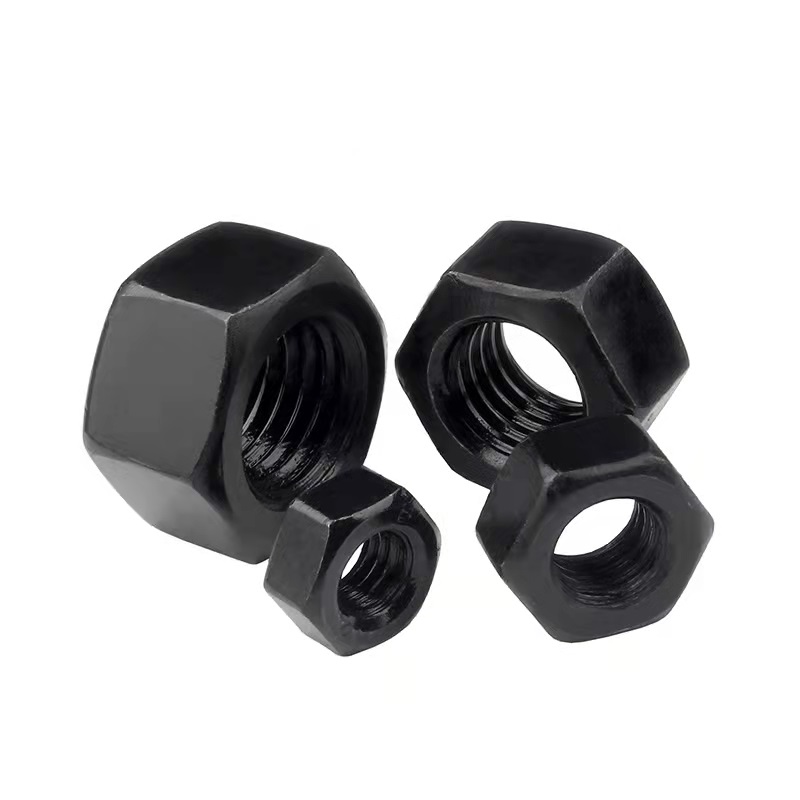
Performance of full thread hexagon socket bolts is fundamentally governed by force analysis under tensile and shear loading. Tensile strength, the maximum stress the bolt can withstand before fracture, is critical in applications involving pulling forces. Shear strength, the resistance to forces acting parallel to the shank, is vital in applications like bolted joints subject to lateral loads. The proof load, or yield strength, defines the maximum load the bolt can handle without permanent deformation. Environmental resistance is another key performance aspect. Corrosion, particularly in marine or chemical environments, can significantly degrade bolt strength. Coatings and material selection play a pivotal role in mitigating this risk. Fatigue performance, the bolt’s ability to withstand repeated cyclic loading, is paramount in applications like machinery and automotive components. Proper thread engagement length and surface finish are essential to minimize stress concentration and enhance fatigue life. Compliance requirements vary by industry. Aerospace applications demand stringent traceability and adherence to standards like NASM 25027. Automotive applications require compliance with IATF 16949, emphasizing process control and quality management. Engineering considerations include calculating the required bolt preload to achieve adequate clamping force, accounting for thermal expansion and contraction, and selecting appropriate locking mechanisms (e.g., thread lockers) to prevent loosening due to vibration. A significant pain point is accurately predicting bolt behavior under complex loading conditions and ensuring sufficient safety factors.
Technical Specifications
| Grade | Tensile Strength (MPa) | Yield Strength (MPa) | Hardness (HRC) |
|---|---|---|---|
| 4.8 | 400 | 240 | 24-32 |
| 8.8 | 800 | 600 | 32-38 |
| 10.9 | 1000 | 900 | 34-40 |
| 12.9 | 1200 | 1100 | 38-44 |
| A2-70 (SS304) | 700 | 210 | 25-31 |
| A4-80 (SS316) | 800 | 240 | 28-32 |
Failure Mode & Maintenance
Failure modes for full thread hexagon socket bolts are diverse. Fatigue cracking is common in applications involving cyclic loading, initiated at stress concentration points such as thread roots or drive recesses. Hydrogen embrittlement, particularly in high-strength steels exposed to corrosive environments, can lead to brittle fracture. Galling, a form of adhesive wear, occurs during installation or removal when dissimilar metals come into contact under high pressure. Striping of threads, particularly in softer materials, can occur due to excessive torque. Corrosion, especially crevice corrosion within the threads, weakens the bolt over time. Over-tightening can lead to bolt stretch beyond the elastic limit, resulting in permanent deformation and reduced clamping force. Maintenance strategies include regular inspection for signs of corrosion, fatigue cracks, or thread damage. Lubrication during installation and removal is crucial to prevent galling and reduce torque requirements. Periodic re-torquing of bolts is recommended to compensate for creep relaxation and maintain adequate clamping force. When corrosion is detected, bolts should be replaced promptly. Failure analysis, involving microscopic examination of fractured surfaces, is essential to determine the root cause of failure and prevent recurrence. Preventative maintenance programs, based on risk assessment and operating conditions, are vital for ensuring long-term reliability. A common oversight is neglecting the compatibility of materials used in the bolted joint, leading to galvanic corrosion.
Industry FAQ
Q: What is the impact of thread pitch on the clamping force of a full thread hexagon socket bolt?
A: A finer thread pitch generally provides a higher clamping force for a given torque input. This is because the smaller thread helix angle results in a greater mechanical advantage. However, finer pitches are more susceptible to corrosion and can require greater installation torque.
Q: How does the drive recess (hex socket) geometry affect torque transfer efficiency?
A: The drive recess geometry significantly impacts torque transfer. A properly sized and shaped recess minimizes stress concentration and prevents rounding of the socket drive. Recess design adhering to standards like DIN 912 ensures optimal torque transmission and reduces the risk of tool slippage.
Q: What are the key differences between zinc plating and hot-dip galvanizing for corrosion protection?
A: Zinc plating provides a relatively thin coating offering moderate corrosion protection, typically sufficient for indoor applications. Hot-dip galvanizing creates a much thicker, more robust coating offering superior corrosion resistance, ideal for outdoor or harsh environments. However, galvanizing can alter bolt dimensions and may require adjustments to torque specifications.
Q: How does the material's proof load relate to the safe working load of the bolted joint?
A: The proof load represents the maximum stress the bolt can withstand without permanent deformation. The safe working load (SWL) is significantly lower than the proof load and is determined by applying a safety factor, typically between 3:1 and 5:1, depending on the criticality of the application and potential consequences of failure.
Q: What is the significance of batch traceability in high-integrity applications like aerospace?
A: Batch traceability is crucial for identifying the origin and manufacturing history of each bolt. This allows for rapid identification and recall of potentially defective batches, ensuring safety and preventing catastrophic failures. It demonstrates adherence to stringent quality control requirements and regulatory compliance.
Conclusion
Full thread hexagon socket bolts represent a vital fastening solution across a broad spectrum of industries, offering advantages in clamping force and versatility. Their performance is inextricably linked to material selection, manufacturing precision, and adherence to industry standards. Understanding the potential failure modes – fatigue, corrosion, and galling – is paramount for ensuring long-term reliability and preventing costly downtime.
Future trends point towards increasing demand for high-strength, lightweight materials and advanced surface treatments to enhance corrosion resistance and reduce weight. The integration of digital technologies, such as smart bolts with integrated sensors, will enable real-time monitoring of bolt preload and detection of potential failures. Continued research and development in thread profiling and locking mechanisms will further improve the performance and safety of these essential fasteners.