
Introduction
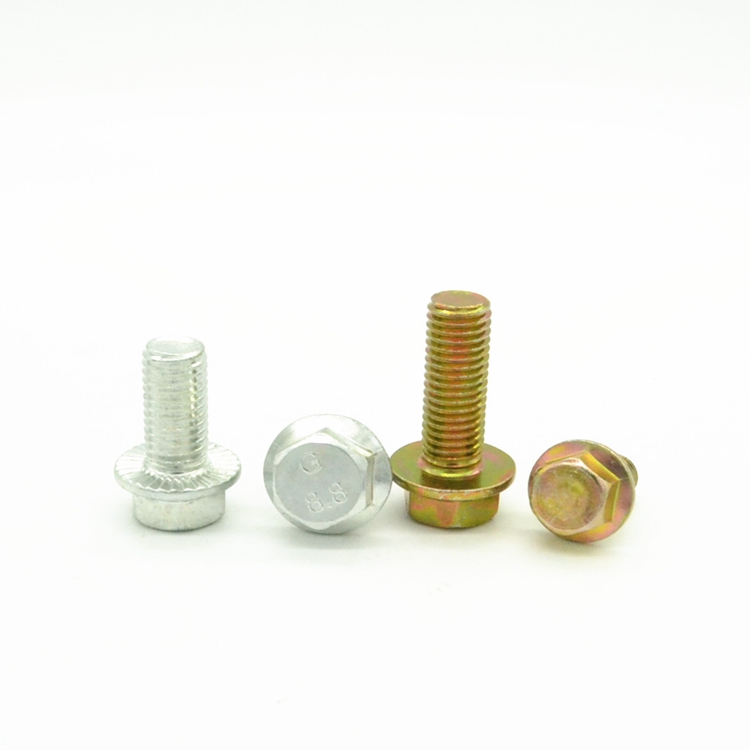
Half thread hexagon socket bolts, also known as socket head cap screws with a half-threaded shank, are a critical fastening element across diverse industrial applications. Positioned within the mechanical fastening chain, these bolts offer a balance between clamping force and ease of installation. Unlike fully threaded bolts, the half-threaded design reduces the potential for galling and facilitates easier assembly, especially in applications involving softer materials or frequent disassembly. Core performance characteristics include tensile strength, shear strength, torque retention, and resistance to loosening under vibration. They are commonly used in machine building, automotive assembly, and aerospace, where precise and reliable fastening is paramount. The reduced thread length also minimizes stress concentration at the thread root, contributing to improved fatigue resistance in certain applications.
Material Science & Manufacturing
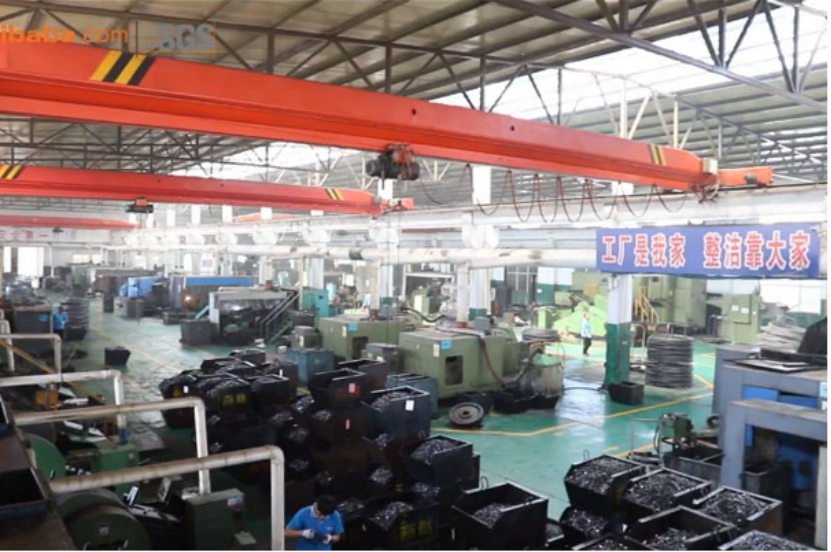
The dominant material for half thread hexagon socket bolts is carbon steel, specifically grades such as SAE 1045, characterized by a tensile strength between 700-900 MPa. Alloy steels, including 4140 and 8.8/10.9/12.9 grades conforming to ISO 898-1, are frequently employed for higher strength applications, offering enhanced corrosion resistance and toughness. Stainless steels (304, 316) are utilized in corrosive environments. Manufacturing commences with the selection of appropriate steel bar stock. Cold heading is the prevalent forming process, involving the deformation of the material at room temperature to create the head and initial shank geometry. This process improves the grain structure, increasing strength. The hex socket is typically machined using a broaching process, offering high precision and efficiency. The threading operation employs rolling dies to form the threads, enhancing thread hardness and fatigue life compared to cutting. Heat treatment, including hardening and tempering, is crucial for achieving the desired mechanical properties. Surface treatments, such as zinc plating, black oxide, or passivation, provide corrosion protection. Precise control of the cold heading force, die geometry, and heat treatment parameters (temperature, holding time, cooling rate) is essential for consistent product quality. Material composition verification via spectroscopic analysis and hardness testing are standard quality control measures.
Performance & Engineering
The performance of half thread hexagon socket bolts is heavily influenced by several engineering factors. Torque-tension relationships are critical; proper tightening ensures adequate clamping force without exceeding the bolt's yield strength. Finite element analysis (FEA) is routinely used to model stress distributions within the bolt and the joined components, optimizing bolt size and tightening torque. Fatigue performance is assessed through S-N curve analysis, considering cyclic loading scenarios. The half-threaded shank reduces the bending stress concentration compared to fully threaded designs, improving fatigue life, particularly in applications with dynamic loads. Environmental resistance, including corrosion and temperature extremes, must be considered. In high-temperature applications, creep resistance of the bolt material becomes a significant factor. Compliance with industry standards like ISO 898-1 (Mechanical properties) and DIN 912 (Hexagon socket head cap screws) is essential. Failure analysis often reveals issues related to improper torque application, material defects, or corrosion. Preload loss due to relaxation and creep is a concern in prolonged high-temperature service, necessitating periodic retightening or the use of locking mechanisms (e.g., nylon inserts, chemical locking compounds).
Technical Specifications
| Property | Grade 8.8 | Grade 10.9 | Grade 12.9 | Stainless Steel 304 |
|---|---|---|---|---|
| Tensile Strength (MPa) | 800 | 1000 | 1200 | 500-700 |
| Yield Strength (MPa) | 600 | 900 | 1100 | 210-310 |
| Hardness (HV) | 321-388 | 341-414 | 388-450 | 197-269 |
| Thread Pitch (mm) | Varies by diameter (e.g., 1.25mm, 1.5mm) | Varies by diameter (e.g., 1.25mm, 1.5mm) | Varies by diameter (e.g., 1.25mm, 1.5mm) | Varies by diameter (e.g., 1.25mm, 1.5mm) |
| Minimum Preload (kN) | 65 | 88 | 110 | 40 |
| Corrosion Resistance | Limited (Requires coating) | Limited (Requires coating) | Limited (Requires coating) | Excellent |
Failure Mode & Maintenance
Common failure modes for half thread hexagon socket bolts include stripping of the hex socket, thread galling, fatigue cracking, and corrosion-induced failure. Socket stripping typically results from excessive torque application or the use of low-quality tools. Thread galling occurs when frictional forces between the bolt and the nut or tapped hole are high, particularly under high clamping loads or in the absence of lubrication. Fatigue cracking initiates from stress concentrations, often at the thread root or under the bolt head, due to cyclic loading. Corrosion, particularly in aggressive environments, weakens the bolt material, leading to premature failure. Maintenance involves regular inspection for signs of corrosion, stripping, or deformation. Torque checks should be performed periodically to ensure adequate clamping force. Lubrication with appropriate anti-seize compounds reduces the risk of galling and corrosion. If corrosion is present, the bolt should be replaced. In critical applications, ultrasonic testing or magnetic particle inspection can be used to detect internal cracks. Preventive maintenance programs should incorporate scheduled bolt replacement based on service life and operating conditions. Replacing damaged or corroded bolts with those of the same material grade and specification is critical to maintain structural integrity.
Industry FAQ
Q: What is the primary advantage of using a half-threaded bolt versus a fully threaded bolt in a machine frame application?
A: The primary advantage is reduced bending stress concentration in the shank of the bolt. A fully threaded bolt is more susceptible to bending stresses, especially under dynamic loading, potentially leading to fatigue failure. The half-threading reduces this stress concentration, improving fatigue life and overall reliability of the joint.
Q: How does the material grade (e.g., 8.8, 10.9, 12.9) impact the selection of a half thread hexagon socket bolt?
A: Material grade directly correlates to the bolt's strength and mechanical properties. Higher grades (e.g., 12.9) offer greater tensile and yield strength, making them suitable for applications with high clamping forces or demanding load conditions. Lower grades (e.g., 8.8) are appropriate for less critical applications.
Q: What surface treatments are recommended for half thread hexagon socket bolts used in outdoor environments?
A: Zinc plating is a common and cost-effective surface treatment providing moderate corrosion resistance. For more severe environments, hot-dip galvanizing or stainless steel (304, 316) are recommended. Black oxide provides limited corrosion protection but improves aesthetic appearance.
Q: What torque tightening method is best practice for half thread hexagon socket bolts to ensure proper preload?
A: Torque control is a standard method, but is sensitive to friction variations. Torque-angle tightening is more precise, involving tightening to a specified torque followed by an additional rotation angle. This accounts for friction and ensures a more consistent preload. Ultrasonic elongation measurement is the most accurate, directly measuring bolt stretch.
Q: What preventative measures can be taken to avoid thread galling during assembly?
A: Using anti-seize lubricant on the threads is crucial. Proper alignment of the bolt and the tapped hole during installation minimizes cross-threading and reduces friction. Avoiding excessive tightening speeds and using high-quality tools also help prevent galling.
Conclusion
Half thread hexagon socket bolts represent a vital fastening solution offering a balance of strength, ease of assembly, and fatigue resistance. Their widespread adoption across multiple industries demonstrates their versatility and reliability. Understanding the material science, manufacturing processes, performance characteristics, and potential failure modes is paramount for engineers and procurement professionals seeking to optimize joint design and ensure long-term structural integrity.
Proper selection based on application requirements, meticulous installation practices, and consistent maintenance procedures are essential for maximizing the service life and minimizing the risk of failure. The ongoing development of advanced materials and surface treatments continues to enhance the performance and durability of these critical fasteners, addressing the evolving demands of modern engineering applications.