
Introduction
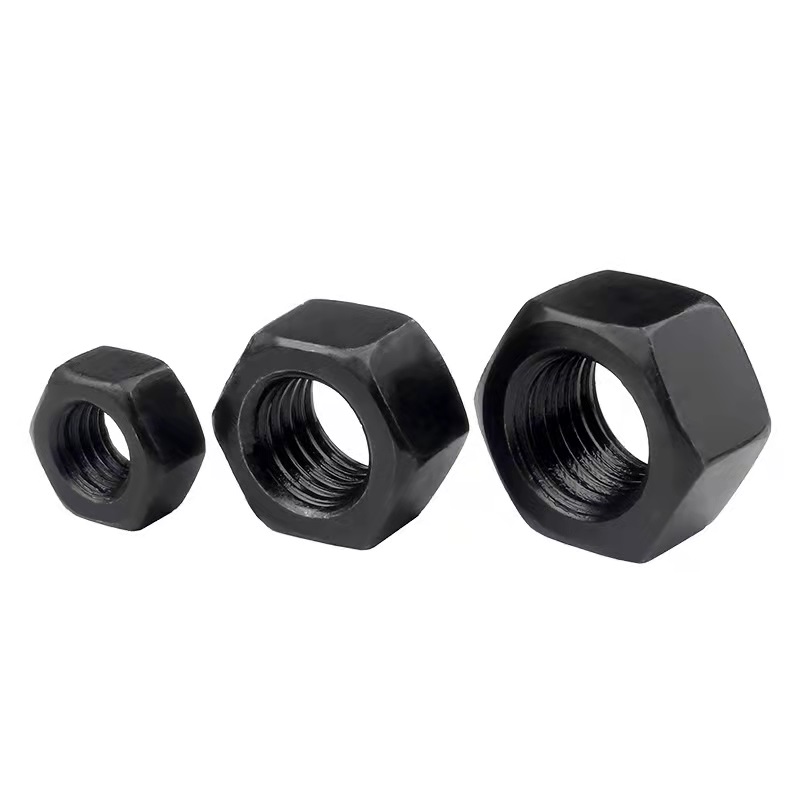
Galvanized hexagon socket bolts are a critical fastening component widely utilized across numerous industries, including construction, automotive, machinery, and infrastructure. These bolts combine the mechanical strength of a hexagon socket head (also known as Allen head) with the corrosion resistance provided by a zinc coating. Their position within the supply chain extends from steel production and forging, through galvanization processes, to final assembly by OEMs and end-users. Core performance characteristics are defined by tensile strength, yield strength, hardness, and the durability of the zinc coating against environmental degradation. The increasing demand for durable, reliable, and cost-effective fasteners drives the continual refinement of galvanization techniques and steel alloys used in their manufacture. A key industry pain point lies in ensuring consistent coating thickness and adhesion to prevent premature failure due to corrosion, particularly in aggressive environments.
Material Science & Manufacturing
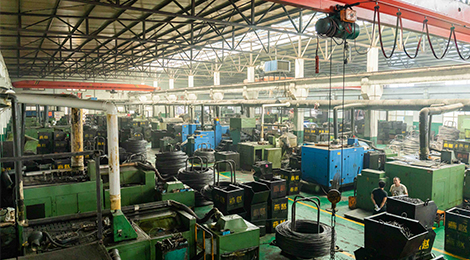
The primary raw material for galvanized hexagon socket bolts is carbon steel, typically grades 4.8, 8.8, and 12.9, conforming to ISO 898-1 standards. The carbon content influences hardness and tensile strength, while alloying elements like manganese, chromium, and molybdenum contribute to enhanced mechanical properties. The steel undergoes forging or cold heading to create the bolt’s shape. Forging yields higher strength but is more costly, while cold heading is suitable for high-volume production. Following forming, the bolts are heat-treated to achieve the desired strength and hardness, involving processes like quenching and tempering. Galvanization, the crucial corrosion protection step, is most commonly achieved through hot-dip galvanizing. This involves immersing the steel bolts in molten zinc, creating a metallurgical bond. The zinc coating acts as a barrier, sacrificially corroding before the steel substrate. Alternative galvanization methods include electrogalvanizing and zinc-nickel plating, offering varying levels of corrosion resistance and coating thickness. Critical parameters during manufacturing include precise control of heat treatment temperatures and times, zinc bath composition (zinc purity, aluminum content), and withdrawal speed during hot-dip galvanizing to ensure uniform coating thickness and avoid defects like drips or runs. Surface preparation – including pickling and fluxing – is essential for optimal zinc adhesion.
Performance & Engineering
The performance of galvanized hexagon socket bolts is governed by several engineering principles. Tensile strength, representing the bolt’s resistance to being pulled apart, is a critical parameter, typically ranging from 800 MPa to 1200 MPa depending on the steel grade. Yield strength, the point at which permanent deformation begins, is also crucial. The hexagon socket drive provides a high torque transfer capability, minimizing the risk of stripping the head. Environmental resistance, specifically corrosion protection, is paramount. The zinc coating's thickness and uniformity directly influence the bolt’s longevity in corrosive environments. Galvanized bolts must meet specific performance requirements outlined in standards such as ASTM F323, which defines the requirements for zinc coating thickness. Force analysis considers shear stress and bending moment acting on the bolt, particularly in applications involving dynamic loads. Finite Element Analysis (FEA) is often employed to optimize bolt geometry and material selection for specific applications. Compliance requirements vary based on industry and region; for example, construction projects often necessitate bolts conforming to EN 14399-4 standards for high-strength structural bolting assemblies. The selection of bolt grade and coating type must align with the anticipated service environment, considering factors like exposure to salt spray, humidity, and chemical agents.
Technical Specifications
| Property | Grade 4.8 | Grade 8.8 | Grade 12.9 | Typical Zinc Coating Thickness (Hot-Dip) |
|---|---|---|---|---|
| Tensile Strength (MPa) | 400 | 800 | 1200 | 55-85 μm |
| Yield Strength (MPa) | 240 | 600 | 1000 | N/A |
| Hardness (HV) | 170-210 | 310-370 | 390-450 | N/A |
| Zinc Coating Weight (g/m²) | N/A | N/A | N/A | 60-80 |
| Minimum Chloride Exposure Resistance (Hours to White Rust) | 48 | 72 | 96 | 480 |
| Head Style | Hexagon Socket | Hexagon Socket | Hexagon Socket | N/A |
Failure Mode & Maintenance
Galvanized hexagon socket bolts are susceptible to several failure modes. Corrosion, despite the zinc coating, remains a primary concern, particularly in marine or industrial environments. Crevice corrosion can occur under bolt heads or in threaded areas. Hydrogen embrittlement, a phenomenon where hydrogen atoms diffuse into the steel during galvanization, can reduce ductility and lead to brittle fracture, especially in high-strength bolts. Fatigue cracking can initiate from stress concentrations at the thread roots or bolt head, particularly under cyclic loading. Stripping of the hexagon socket drive is another common failure mode, often resulting from excessive torque or the use of improper tools. Thread galling, the adhesive wear between mating threads, can occur during installation or removal. Maintenance strategies include regular inspection for signs of corrosion or damage. Applying a corrosion inhibitor to the threads during installation can reduce the risk of galling and corrosion. Proper torque control is crucial to prevent stripping or overstressing the bolt. For critical applications, periodic bolt replacement based on a preventative maintenance schedule is recommended. If corrosion is detected, the bolt should be replaced immediately. Addressing the root cause of corrosion, such as improving ventilation or shielding from direct exposure, is also vital.
Industry FAQ
Q: What is the difference between hot-dip galvanizing and electrogalvanizing in terms of corrosion protection?
A: Hot-dip galvanizing provides a thicker, more robust zinc coating with superior corrosion resistance due to the metallurgical bond formed between the zinc and the steel. Electrogalvanizing, while offering a smoother, more cosmetically appealing finish, results in a thinner coating and relies on an adhesive bond, offering less long-term corrosion protection, particularly in harsh environments.
Q: How does the steel grade impact the performance of a galvanized bolt?
A: The steel grade dictates the bolt's tensile and yield strength. Higher grades (e.g., 12.9) provide greater strength but can be more susceptible to hydrogen embrittlement during galvanization. Selecting the appropriate grade is crucial based on the load requirements and environmental conditions.
Q: What are the implications of using an improper torque wrench when tightening galvanized bolts?
A: Using an improperly calibrated or unsuitable torque wrench can lead to under-tightening, resulting in joint loosening and potential failure. Over-tightening can strip the hexagon socket drive or induce stresses exceeding the bolt’s yield strength, leading to premature failure. A calibrated torque wrench with the correct socket size is essential.
Q: What standards govern the testing of zinc coating thickness and adhesion?
A: Zinc coating thickness is typically measured according to ASTM B82 or ISO 9227, using magnetic or eddy current methods. Adhesion testing is performed according to ASTM A780 or ISO 4941, employing bending or pull-off tests to assess the coating’s resistance to separation from the steel substrate.
Q: How does the presence of chlorides in the environment affect the lifespan of galvanized bolts?
A: Chlorides accelerate corrosion of the zinc coating, leading to localized pitting and reduced protective capacity. In marine environments or areas with high salt exposure, thicker zinc coatings or supplementary corrosion protection measures (e.g., epoxy coatings) are recommended to extend the bolt’s service life.
Conclusion
Galvanized hexagon socket bolts represent a fundamental fastening solution offering a robust combination of mechanical strength and corrosion resistance. Their performance is intricately linked to material selection, manufacturing processes, and adherence to industry standards. Understanding the interplay between steel grade, galvanization method, and environmental factors is crucial for ensuring long-term reliability and preventing premature failure. The industry continues to focus on improving coating uniformity, reducing hydrogen embrittlement, and developing advanced corrosion protection technologies.
Future developments will likely center on exploring alternative zinc alloys with enhanced corrosion resistance, optimizing galvanization processes for increased efficiency and reduced environmental impact, and integrating smart bolt technologies for real-time monitoring of stress and corrosion levels. The ongoing demand for durable, cost-effective fasteners will drive continued innovation in materials science and manufacturing techniques within the galvanized hexagon socket bolt sector.