
Introduction
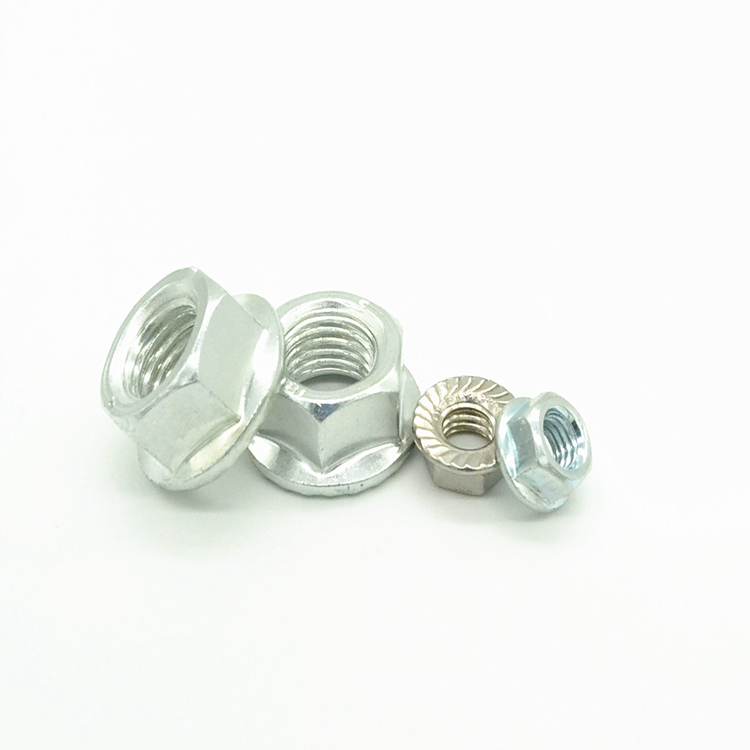
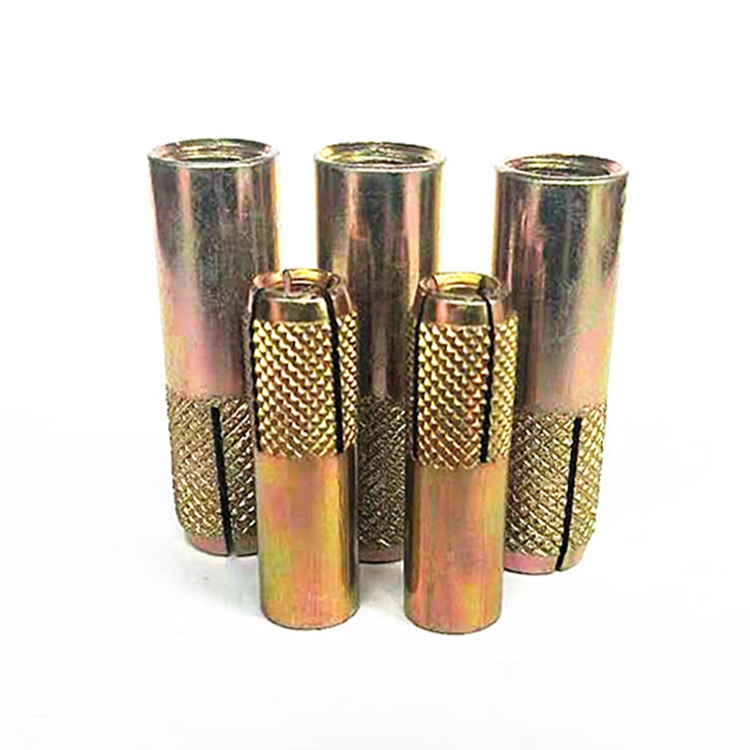
Expansion bolts, also known as sleeve anchors, are mechanical fasteners designed to distribute loads over a wider area within a base material. Their primary function is to provide secure anchoring in materials like concrete, brick, and stone, where traditional screwing is impractical. Positioned within the construction and infrastructure supply chain, expansion bolts represent a critical component for applications ranging from light-duty fixture mounting to heavy-duty structural connections. Core performance characteristics include tensile strength, shear strength, and resistance to pull-out forces. The selection of an appropriate expansion bolt requires careful consideration of the base material's properties, the applied load, and environmental conditions, addressing a prevalent industry pain point of premature fastener failure due to improper specification.
Material Science & Manufacturing
The majority of expansion bolts are manufactured from carbon steel, often utilizing grades like ASTM A36 or equivalent EN standards. Stainless steel (304, 316) is also prevalent in corrosive environments. The carbon steel undergoes a process of cold heading to form the body of the anchor, increasing its tensile strength through work hardening. The expansion sleeve, typically a conical or multi-piece design, is also cold formed. Manufacturing tolerances are critical, particularly for the sleeve’s inner diameter to ensure consistent expansion. Surface treatments such as zinc plating (electrogalvanizing) or hot-dip galvanizing enhance corrosion resistance. The manufacturing process also involves threading operations, requiring precision to maintain consistent pitch and prevent galling during installation. Key parameter control focuses on material composition verification through spectrographic analysis, dimensional inspection using coordinate measuring machines (CMMs), and adherence to heat treatment specifications to achieve desired hardness levels (typically Rockwell C 30-40 for carbon steel). Material compatibility with the base material is paramount; for example, using carbon steel anchors in concrete with high chloride content can accelerate corrosion.
Performance & Engineering
The performance of an expansion bolt is dictated by its ability to resist tensile, shear, and pull-out forces. Tensile strength, determined by the bolt's material and diameter, represents the maximum load it can withstand before fracturing. Shear strength relates to the anchor's resistance to forces acting perpendicular to its axis. Pull-out capacity is crucial, and is affected by the expansion sleeve's design, the anchor's embedment depth, and the compressive strength of the base material. Force analysis requires calculating the combined stresses acting on the anchor under various loading scenarios, considering safety factors as outlined in relevant building codes. Environmental resistance is also vital. Temperature fluctuations cause thermal expansion and contraction, potentially inducing stress on the anchor and surrounding material. Chemical exposure (e.g., chlorides, sulfates) can lead to corrosion and degradation. Compliance requirements, such as ICC-ES reports and European Technical Assessments (ETAs), demonstrate adherence to standardized testing procedures and performance criteria. Functional implementation necessitates proper installation torque; over-tightening can strip threads or damage the base material, while under-tightening results in insufficient expansion and reduced holding power. Fatigue analysis is critical in applications subject to cyclical loading, as repeated stress can lead to crack initiation and propagation.
Technical Specifications
| Diameter (mm) | Minimum Tensile Strength (kN) | Minimum Shear Strength (kN) | Embedment Depth (mm) |
|---|---|---|---|
| 6 | 25 | 15 | 40 |
| 8 | 40 | 25 | 50 |
| 10 | 60 | 40 | 60 |
| 12 | 80 | 55 | 75 |
| 16 | 120 | 80 | 90 |
| 20 | 180 | 120 | 110 |
Failure Mode & Maintenance
Common failure modes for expansion bolts include pull-out failure (insufficient embedment depth or low concrete strength), tensile failure (exceeding the anchor's tensile capacity), shear failure (excessive shear forces), and corrosion. Fatigue cracking can occur under cyclical loading, initiated at stress concentrations around threads or the expansion sleeve. Creep, the slow deformation of the anchor under sustained load, is another potential failure mechanism, especially at elevated temperatures. Delamination of concrete around the anchor can reduce its effective bearing area, leading to pull-out. Maintenance involves periodic visual inspections to identify signs of corrosion or damage. If corrosion is detected, the anchor should be replaced. In critical applications, torque checks should be performed to ensure proper clamping force. If concrete cracking is observed, the anchor's load capacity may be compromised, necessitating repair or replacement of both the anchor and the surrounding concrete. Regular cleaning to remove debris and contaminants can prevent premature corrosion. Proper installation is the most crucial aspect of preventative maintenance; ensuring correct embedment depth, torque, and alignment significantly extends the anchor’s service life. Failure analysis should include metallurgical examination of fractured anchors to determine the root cause of failure.
Industry FAQ
Q: What is the impact of concrete compressive strength on expansion bolt pull-out capacity?
A: Higher concrete compressive strength directly increases the pull-out capacity of expansion bolts. The expansion sleeve relies on friction and bearing against the concrete; stronger concrete provides greater resistance to deformation and pull-out. Specifications typically provide pull-out capacity values for various concrete strengths. Failure to account for actual concrete strength versus design strength can lead to premature failure.
Q: How does the spacing between expansion bolts affect their performance?
A: Insufficient spacing between bolts can lead to edge effects and reduced pull-out capacity. The stresses around each anchor overlap, weakening the concrete between them. Minimum edge distance and spacing requirements are specified in building codes and manufacturer's instructions to prevent this. Proper spacing ensures each anchor operates independently and utilizes the full bearing capacity of the concrete.
Q: What are the considerations for using expansion bolts in cracked concrete?
A: Expansion bolts are generally not recommended for use in sustained, actively widening cracks. Specialty anchors designed for cracked concrete (e.g., adhesive anchors, mechanically expanded anchors with specific certifications) are required. If expansion bolts must be used in cracked concrete, a qualified engineer should assess the crack width and pattern and specify appropriate anchors and installation procedures.
Q: Can expansion bolts be used in solid brick or block masonry? Are there limitations?
A: Expansion bolts can be used in solid brick and block masonry, but with limitations. Brick and block are weaker and more brittle than concrete, reducing pull-out capacity. The type of masonry unit (e.g., solid clay brick, concrete block) affects performance. Avoid installing expansion bolts near the edges of masonry units, as this can cause splitting. Specialized masonry anchors may be more suitable for certain applications.
Q: What is the effect of different surface coatings on the long-term performance of expansion bolts?
A: Surface coatings (zinc plating, hot-dip galvanizing, stainless steel) significantly impact corrosion resistance. Zinc plating provides moderate protection, while hot-dip galvanizing offers superior corrosion resistance, particularly in outdoor environments. Stainless steel (304, 316) provides the highest level of corrosion protection, especially in harsh chemical environments. The choice of coating depends on the specific application and exposure conditions. Coatings are susceptible to damage during installation; protecting the coating is vital.
Conclusion
Expansion bolts represent a versatile and widely utilized fastening solution, but their effective application hinges on a thorough understanding of material science, engineering principles, and installation best practices. Selecting the correct anchor size, material, and embedment depth, coupled with proper installation torque, are critical to maximizing pull-out strength, tensile capacity, and overall system reliability. Ignoring these factors frequently leads to premature failure and potential safety hazards.
Future developments in expansion bolt technology will likely focus on improved corrosion resistance through advanced coatings, optimized sleeve designs for increased expansion efficiency, and the integration of smart monitoring systems to detect load variations and potential failures. Continued adherence to industry standards and rigorous testing protocols will be essential to ensure the long-term performance and safety of these critical fasteners.