
Introduction
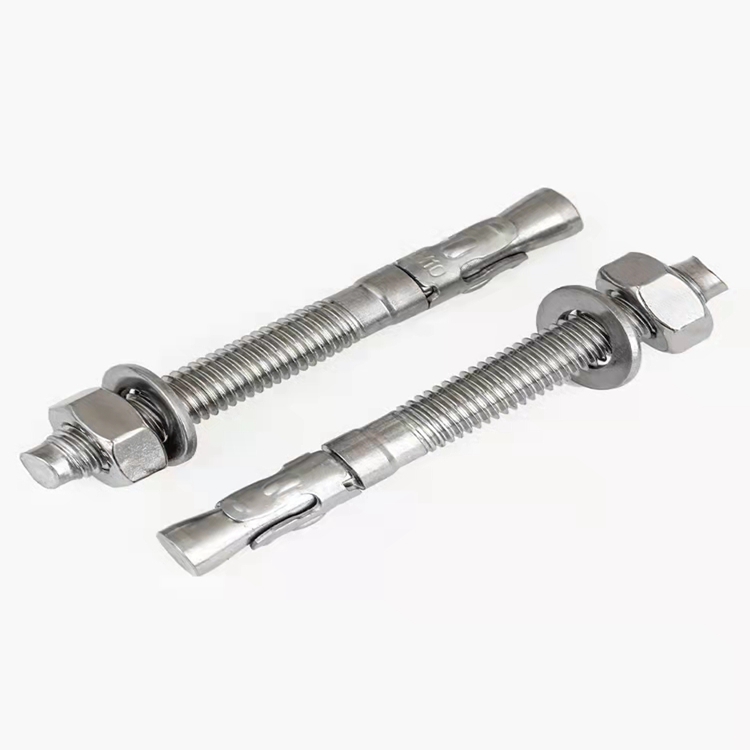
Toilet seat bolts are critical fastening components responsible for securely attaching the toilet seat to the toilet bowl. While seemingly mundane, their performance is paramount to user safety and hygiene. These bolts are subjected to significant cyclical loading, varying humidity levels, and exposure to cleaning chemicals. They represent a specific subset of fasteners requiring specialized material selection and design considerations beyond standard bolt applications. This guide provides a comprehensive technical overview of toilet seat bolts, encompassing material science, manufacturing processes, performance characteristics, potential failure modes, and relevant industry standards. The core performance requirements center around corrosion resistance, tensile strength sufficient to withstand repeated use, and avoidance of material degradation leading to component failure and potential injury.
Material Science & Manufacturing
Toilet seat bolts are commonly manufactured from several materials, each with distinct advantages and disadvantages. 304 and 316 stainless steel are prevalent choices due to their superior corrosion resistance, particularly in the presence of moisture and cleaning agents. The 316 grade offers enhanced chloride resistance, making it suitable for coastal environments or areas with high salinity. Plastic materials, such as polypropylene (PP) and nylon, are also used, particularly for the bolt cover or decorative components, offering cost-effectiveness and inherent corrosion resistance, but with lower strength. Manufacturing processes typically involve cold forming of stainless steel wire into the bolt shape, followed by machining of the head and threading. Plastic components are generally injection molded. Key parameters in manufacturing include thread accuracy (critical for secure fastening and preventing stripping), surface finish (influencing corrosion resistance and aesthetic appeal), and material hardness (affecting tensile strength and wear resistance). Heat treatment, while less common for these bolts due to the materials used, can be employed to enhance the hardness of stainless steel components. The choice of lubricant during cold forming impacts the final surface finish and potential for stress corrosion cracking. Thread rolling, as opposed to machining, is preferred for stainless steel bolts as it work hardens the material, improving fatigue strength.
Performance & Engineering
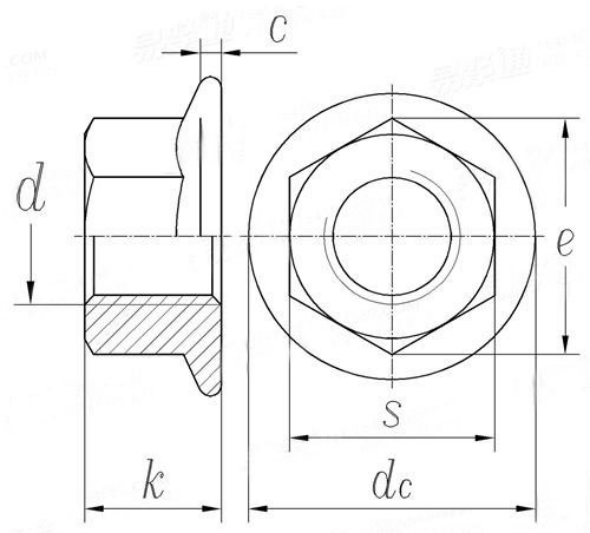
The primary performance requirement of a toilet seat bolt is its ability to withstand cyclical loading caused by users sitting and standing. This necessitates sufficient tensile strength and yield strength to prevent permanent deformation or fracture. Finite Element Analysis (FEA) is often employed during the design phase to model stress distribution under various loading conditions and optimize bolt geometry. Corrosion resistance is crucial, as exposure to water, cleaning chemicals (containing bleach, ammonia, and acids), and humidity can lead to material degradation and failure. Galvanic corrosion is also a concern if dissimilar metals are used in contact. The bolt’s design must prevent water ingress into the threaded region, which can accelerate corrosion. Environmental resistance testing, including salt spray testing (ASTM B117) and cyclic corrosion testing, is essential to validate material performance. Compliance requirements typically involve adherence to relevant safety standards for bathroom fixtures, which indirectly address fastener reliability. Furthermore, the bolt’s design should accommodate the varying thickness of toilet bowls and seat materials, ensuring a secure and stable connection without causing damage. The shear strength of the bolt is also a critical parameter, especially for designs employing shear-load transfer mechanisms.
Technical Specifications
| Material | Tensile Strength (MPa) | Corrosion Resistance (Salt Spray Hours – ASTM B117) | Diameter (mm) |
|---|---|---|---|
| 304 Stainless Steel | 500-700 | 72-100 | 5-8 |
| 316 Stainless Steel | 550-750 | 100-200 | 5-8 |
| Polypropylene (PP) | 20-30 | >1000 | 6-10 |
| Nylon 6/6 | 55-75 | >500 | 6-10 |
| Zinc Plated Steel (Not Recommended) | 400-600 | 24-48 | 5-8 |
| Brass (Limited Use) | 450-600 | 48-72 | 6-8 |
Failure Mode & Maintenance
Common failure modes for toilet seat bolts include thread stripping, corrosion-induced fracture, and fatigue cracking. Thread stripping occurs when the bolt is over-tightened or subjected to repeated stress cycles, damaging the threads and reducing clamping force. Corrosion, particularly pitting corrosion in stainless steel, can weaken the bolt and lead to catastrophic failure. Fatigue cracking develops over time due to cyclical loading, initiating at stress concentrations and propagating until the bolt fractures. Galvanic corrosion, resulting from contact between dissimilar metals in a corrosive environment, can accelerate the degradation process. Maintenance involves periodic inspection of the bolts for signs of corrosion, loosening, or damage. Loose bolts should be tightened, but excessive tightening must be avoided to prevent thread stripping. If corrosion is evident, the bolts should be replaced. Preventative maintenance includes regular cleaning of the area around the bolts to remove accumulated dirt and grime, and avoiding the use of abrasive cleaners that can damage the protective surface finish. The application of a corrosion inhibitor to the threads can further extend the bolt’s lifespan. Regular torque checks, utilizing a calibrated torque wrench, are recommended to ensure proper clamping force without inducing stress on the threads.
Industry FAQ
Q: What is the primary reason for using stainless steel over zinc-plated steel in toilet seat bolts?
A: The primary reason is significantly improved corrosion resistance. Toilet seat bolts are consistently exposed to moisture and cleaning chemicals, which rapidly degrade zinc plating, leading to rust and eventual failure. Stainless steel offers inherent resistance to these corrosive elements, extending the bolt’s lifespan and ensuring reliable performance.
Q: How does thread forming affect the fatigue life of a stainless steel bolt?
A: Thread rolling (a form of thread forming) generally improves fatigue life compared to thread cutting. Rolling work-hardens the surface of the bolt, introducing compressive residual stresses that inhibit crack initiation and propagation. Cutting, conversely, can introduce tensile residual stresses that are detrimental to fatigue performance.
Q: What is the importance of the bolt’s diameter in relation to the toilet bowl’s material?
A: The bolt diameter must be appropriately sized for the thickness and material of the toilet bowl. Too small a diameter may not provide sufficient clamping force or may strip the threads in the bowl. Too large a diameter could potentially crack or damage the bowl material, especially porcelain.
Q: What tests are crucial for validating the corrosion resistance of a toilet seat bolt?
A: Salt spray testing (ASTM B117) is a standard method for assessing corrosion resistance, but cyclic corrosion testing (ASTM G85) provides a more realistic evaluation by simulating the wetting and drying cycles experienced in a bathroom environment. Electrochemical impedance spectroscopy can also be used for more detailed corrosion analysis.
Q: What should be considered when selecting a bolt material for coastal environments?
A: In coastal environments, chloride exposure is significantly higher. 316 stainless steel is the preferred material due to its superior resistance to chloride-induced pitting corrosion compared to 304 stainless steel. Alternatively, plastic bolts offer complete immunity to chloride corrosion, although they have lower strength.
Conclusion
Toilet seat bolts, despite their seemingly simple function, require careful material selection and engineering considerations to ensure long-term reliability and user safety. The key performance drivers are tensile strength, corrosion resistance, and resistance to fatigue failure. Stainless steel remains the predominant material of choice, with 316 grade preferred in harsh environments. Manufacturing processes, particularly thread forming, significantly influence the bolt’s fatigue life. Proper installation, periodic maintenance, and adherence to relevant standards are crucial for preventing failure and maximizing service life.
Future development in toilet seat bolt technology may focus on the incorporation of self-tightening mechanisms, advanced corrosion-resistant coatings, and the use of innovative plastic materials with enhanced mechanical properties. Furthermore, the implementation of predictive maintenance strategies, leveraging sensor technology to monitor bolt stress and corrosion levels, could offer significant benefits in terms of cost savings and improved safety. Ultimately, a holistic approach considering material science, engineering design, manufacturing precision, and proactive maintenance is essential for ensuring the optimal performance and longevity of these critical fastening components.