
Introduction
Toilet bowl bolts, seemingly mundane fasteners, are critical components ensuring the structural integrity and leak-proof seal of a sanitary fixture subjected to significant mechanical and chemical stresses. These bolts secure the bowl to the flange, resisting shear, tensile, and corrosive forces. Their performance directly impacts the reliable operation of a fundamental plumbing system. The industry chain encompasses raw material suppliers (typically stainless steel and plastics), bolt manufacturers employing cold forging, machining, and coating processes, and finally, plumbing component manufacturers and distribution networks. Core performance characteristics center around corrosion resistance, clamping force maintenance over extended periods, and compatibility with diverse toilet bowl materials (vitreous china, polypropylene, etc.) and mounting surfaces. Failure translates to water damage, unsanitary conditions, and costly repairs. The increasing demand for water conservation and durable plumbing solutions drives advancements in bolt materials and designs.
Material Science & Manufacturing
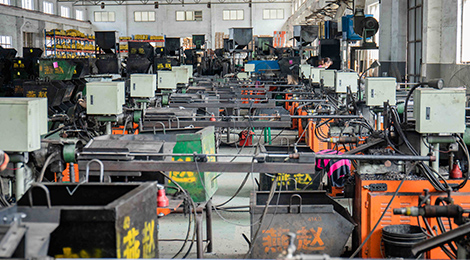
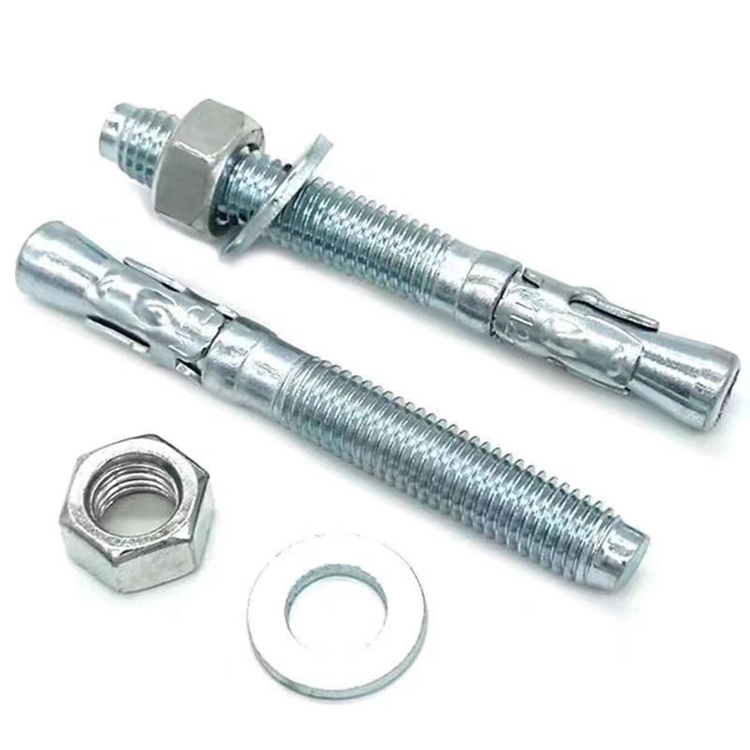
The predominant material for toilet bowl bolts is Type 304 or 316 stainless steel, chosen for their superior corrosion resistance to water, cleaning chemicals, and organic waste. The steel’s austenitic structure, containing chromium and nickel, forms a passive layer that protects against oxidation. Lower grades of stainless steel (e.g., 301) may be used in less demanding applications but are susceptible to pitting corrosion. Bolt heads and caps often incorporate polymers, such as polypropylene or nylon, to provide a watertight seal and prevent galvanic corrosion between dissimilar metals. These polymers must exhibit high chemical resistance to typical bathroom cleaning agents. Manufacturing commonly begins with cold forging of stainless steel wire, creating the bolt shape. Subsequent machining operations refine the thread profile and head geometry. Critical parameters include thread pitch (typically M8 or M10), shank length, and head diameter, dictated by prevailing plumbing standards. Coating processes, such as electrolytic polishing, further enhance corrosion resistance. Plastic components are typically injection molded, requiring precise temperature and pressure control to ensure dimensional accuracy and material integrity. Quality control focuses on material composition verification (through spectroscopic analysis), thread gauging, and coating thickness measurement. The shank is often supplied with an EPDM rubber washer for a superior seal.
Performance & Engineering
The performance of toilet bowl bolts is fundamentally governed by the principles of mechanical stress and corrosion science. The bolt experiences a combined shear and tensile load due to the weight of the bowl, user weight, and water pressure. Force analysis must consider the worst-case loading scenario to prevent bolt failure or loosening. The clamping force generated by tightening the bolt compresses the bowl flange gasket, establishing a watertight seal. This clamping force is gradually reduced over time due to creep relaxation in the gasket material and potential corrosion of the bolt threads. Environmental resistance is paramount. Continuous exposure to moisture, cleaning chemicals (bleach, disinfectants), and varying temperatures accelerates corrosion processes. Galvanic corrosion, occurring when dissimilar metals are in contact in a corrosive environment, can lead to accelerated degradation of the bolt material. Engineering considerations include proper material selection, coating application, and torque specifications. Prevailing torque nuts, incorporating nylon inserts or deformed threads, are commonly employed to resist loosening from vibration and cyclical loading. Compliance requirements are dictated by plumbing codes (e.g., UPC, IPC) which specify minimum bolt strength, corrosion resistance, and dimensional tolerances. The bolts must meet standards regarding pull-out strength and shear strength.
Technical Specifications
| Material Grade | Tensile Strength (MPa) | Yield Strength (MPa) | Corrosion Resistance (Salt Spray Test, hours) |
|---|---|---|---|
| 304 Stainless Steel | 500-700 | 205-250 | 720+ |
| 316 Stainless Steel | 620-800 | 240-310 | 1000+ |
| Polypropylene (Cap/Head) | 25-40 (Tensile) | 15-25 (Flexural) | Excellent (to most cleaning agents) |
| Nylon (Cap/Head) | 50-70 (Tensile) | 30-50 (Flexural) | Good (limited resistance to strong acids) |
| Bolt Diameter | M8 (8mm) | M10 (10mm) | M12 (12mm) – Less Common |
| Thread Pitch | 1.25 mm (M8/M10) | 1.5 mm (M12) | N/A |
Failure Mode & Maintenance
Toilet bowl bolts are susceptible to several failure modes. Corrosion, particularly pitting corrosion in less alloyed stainless steels, is a primary concern, leading to reduced cross-sectional area and eventual fracture. Fatigue cracking can occur due to cyclical loading from user weight and water pressure, especially in bolts subjected to frequent use. Galvanic corrosion, as previously mentioned, accelerates the degradation of susceptible materials. Thread stripping can occur if excessive torque is applied during installation or if the threads are damaged. Over-tightening also leads to gasket compression exceeding its elastic limit resulting in leaks. The plastic components can become brittle with age, particularly with exposure to UV radiation, losing their sealing capabilities. Maintenance is typically limited to periodic tightening of the bolts to compensate for creep relaxation in the gasket. However, if corrosion is observed, the bolts should be replaced immediately. Preventive maintenance involves regular cleaning of the area around the bolts to remove corrosive substances. When replacing bolts, always use compatible materials to avoid galvanic corrosion. Use a torque wrench to ensure proper tightening, following manufacturer's specifications. Ensure the flange and bowl mating surfaces are clean and free of debris before installation.
Industry FAQ
Q: What is the difference between Type 304 and Type 316 stainless steel for toilet bowl bolts?
A: Type 316 stainless steel contains molybdenum, which significantly enhances its corrosion resistance, especially in chloride-rich environments. While both are suitable for most applications, 316 is recommended for coastal regions or areas with highly corrosive water supplies where pitting corrosion is a greater risk. 316 generally carries a higher cost than 304.
Q: How important is the torque specification when installing toilet bowl bolts?
A: Torque specification is critical. Under-tightening leads to leaks, while over-tightening can strip threads or damage the bowl or flange. Always consult the manufacturer's recommendations and use a calibrated torque wrench to achieve the specified clamping force. Typically, torque values range from 15-25 Nm (Newton-meters).
Q: What causes toilet bowl bolts to loosen over time?
A: Several factors contribute to loosening. Creep relaxation in the gasket material reduces clamping force. Cyclical loading from use and water pressure causes slight movement. Thermal expansion and contraction can also affect the tightness of the bolts. Vibration from nearby plumbing can exacerbate the issue. Prevailing torque nuts are designed to mitigate this but still require periodic checking.
Q: Can I use a penetrating oil to loosen a corroded toilet bowl bolt?
A: Penetrating oil can sometimes help loosen corroded bolts, but caution is advised. Some penetrating oils can damage plastic components. Apply the oil sparingly and allow it to soak for an extended period. If the bolt remains stuck, attempting to force it may result in fracture. Professional assistance is recommended in such cases.
Q: What are the implications of using dissimilar metals in toilet bowl bolt construction?
A: Using dissimilar metals (e.g., stainless steel bolts with a brass flange) can lead to galvanic corrosion. The more active metal will corrode preferentially. To mitigate this, use compatible materials or isolate the dissimilar metals with a non-conductive gasket or coating. The use of plastic washers or caps is recommended.
Conclusion
Toilet bowl bolts represent a deceptively complex engineering component demanding careful consideration of material science, manufacturing processes, and performance characteristics. Corrosion resistance, clamping force maintenance, and compatibility with diverse materials are paramount. Understanding the potential failure modes – corrosion, fatigue, thread stripping – is crucial for ensuring long-term reliability and preventing costly water damage. The selection of appropriate materials, adherence to torque specifications, and regular maintenance are key to maximizing the service life of these critical fasteners.
Future trends will likely focus on the development of more corrosion-resistant alloys, innovative gasket materials with improved creep resistance, and smart bolt designs incorporating sensors to monitor clamping force and detect potential failures. Furthermore, advancements in injection molding techniques will lead to higher-performance plastic components. The integration of these technologies will contribute to more durable, reliable, and sustainable plumbing systems.