
Introduction
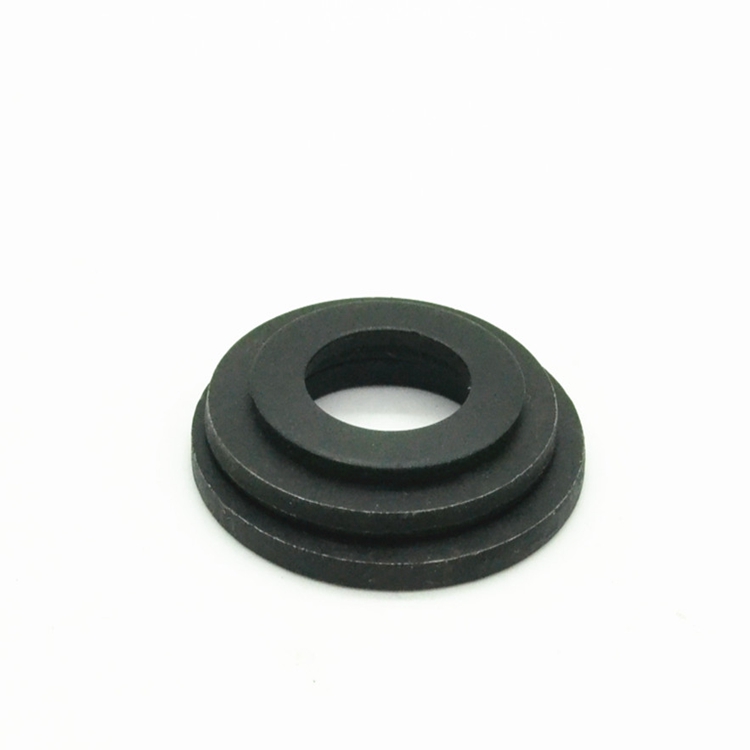
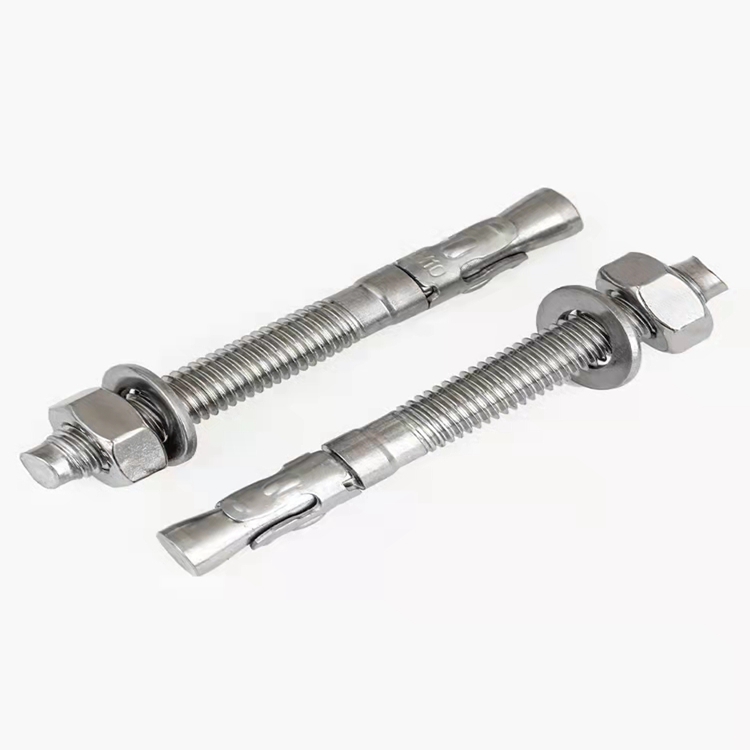
Zinc plated flange head bolts are mechanical fasteners consisting of a cylindrical shank with a flange beneath the head, providing increased bearing surface. They are commonly used in applications requiring a secure clamping force with distributed load, found across diverse industries including automotive, construction, and industrial machinery. The zinc plating provides a crucial layer of corrosion resistance, extending service life in various environmental conditions. This guide provides an in-depth technical analysis of these fasteners, covering material science, manufacturing processes, performance characteristics, failure modes, and relevant industry standards. A key industry pain point is balancing cost-effectiveness of zinc plating with achieving sufficient corrosion protection for demanding applications, necessitating precise control over plating thickness and post-treatment processes.
Material Science & Manufacturing
The core material for zinc plated flange head bolts is typically medium carbon steel (e.g., SAE Grade 5, equivalent to ISO 8.8), selected for its balance of strength, ductility, and cost. Chemical composition is critical, with carbon content typically ranging from 0.25% to 0.35% to achieve desired hardening characteristics. Manufacturing begins with cold forging of the steel billet to form the bolt shape, a process optimizing grain flow for increased strength. The flange is formed during this forging process. Following forging, heat treatment, including quenching and tempering, is performed to achieve the specified mechanical properties. Zinc plating is typically accomplished via electrodeposition. The zinc plating bath usually comprises zinc sulfate or zinc chloride solutions, along with additives to refine the deposit’s microstructure and improve corrosion resistance. Critical parameters include bath temperature, current density, and plating time. Post-plating treatments such as chromate conversion coating (yellow or clear) are applied to further enhance corrosion protection. Hydrogen embrittlement is a significant concern during electroplating; baking post-plating mitigates this issue by allowing diffused hydrogen to escape the material. Improper bath chemistry or inadequate post-treatment leads to premature coating failure.
Performance & Engineering
The performance of zinc plated flange head bolts is dictated by several engineering considerations. Tensile strength, yield strength, and proof load are crucial parameters, determined by the steel grade and heat treatment. Flange diameter and thickness dictate the bearing area, impacting the stress distribution on the joined materials. Finite element analysis (FEA) is often employed to optimize flange design for specific load cases. Corrosion resistance is paramount, and the effectiveness of the zinc plating depends on its thickness, coating uniformity, and post-treatment. Environmental factors such as humidity, salt spray exposure, and temperature significantly affect the rate of corrosion. The zinc coating acts as a sacrificial anode, protecting the underlying steel. However, once the zinc is depleted, corrosion of the steel substrate commences. Thread form (e.g., UNC, UNF, metric) dictates the clamping force achievable for a given torque. Proper torque application is vital to prevent both loosening and bolt failure. Compliance requirements vary by industry; for instance, automotive applications necessitate adherence to IATF 16949 standards regarding fastener performance and traceability. Galvanic corrosion can occur if the bolt is in contact with dissimilar metals, requiring careful material selection or the use of isolating washers.
Technical Specifications
| Material Grade | Zinc Plating Thickness (µm) | Tensile Strength (MPa) | Yield Strength (MPa) |
|---|---|---|---|
| SAE Grade 5 | 15-25 | 830 | 690 |
| SAE Grade 8 | 25-38 | 1040 | 896 |
| ISO 8.8 | 15-25 | 800 | 600 |
| ISO 10.9 | 25-38 | 1000 | 900 |
| ASTM A307 Grade A | 15-25 | 690 | 517 |
| ASTM A325 | 25-38 | 850 | 724 |
Failure Mode & Maintenance
Failure modes for zinc plated flange head bolts are diverse. Hydrogen embrittlement, as previously mentioned, can lead to brittle fracture, particularly under high stress. Corrosion, especially in chloride-rich environments, initiates pitting corrosion of the zinc coating, eventually exposing the steel substrate. Fatigue failure can occur under cyclic loading, initiated by stress concentrations at the thread root or flange interface. Striping of the threads, caused by insufficient torque or improper thread engagement, compromises clamping force. Shear failure of the bolt shank can occur under excessive shear load. Maintenance involves regular inspection for corrosion, particularly in harsh environments. Re-tightening bolts periodically helps maintain clamping force. Application of a corrosion inhibitor lubricant can extend service life. In cases of severe corrosion, bolts should be replaced. When replacing, ensure the new bolts meet the original specifications, including material grade, plating thickness, and thread form. Avoid mixing different material grades, as this can lead to galvanic corrosion and premature failure. Proper storage of bolts in a dry environment is crucial to prevent pre-emptive corrosion.
Industry FAQ
Q: What is the typical service life expectancy of a zinc plated flange head bolt in a coastal marine environment?
A: The service life in a coastal marine environment is significantly reduced due to high salt concentration. Typically, a standard zinc plating (15-25µm) may provide only 6-18 months of service before significant corrosion is observed. Utilizing thicker zinc plating (38µm+), combined with a robust post-treatment like zinc-nickel alloy or a high-performance chromate conversion coating, can extend the service life to 2-5 years. Regular inspection and application of a corrosion inhibitor are also crucial.
Q: How does the substrate material affect the corrosion resistance of the zinc plating?
A: The substrate material plays a significant role. High-strength steels, while providing superior mechanical properties, can be more susceptible to hydrogen embrittlement during the plating process, even with baking. Surface preparation is critical; any mill scale, rust, or contaminants will compromise adhesion of the zinc coating and accelerate corrosion. Using a properly pre-treated substrate (e.g., phosphated) significantly enhances corrosion resistance.
Q: What is the difference between yellow chromate and clear chromate conversion coatings?
A: Both yellow and clear chromate coatings enhance corrosion resistance, but they offer different levels of protection and aesthetic properties. Yellow chromate provides superior corrosion protection due to a thicker coating and increased barrier properties. However, it’s being phased out in many regions due to environmental concerns regarding hexavalent chromium. Clear chromate offers a more aesthetically pleasing appearance but provides less corrosion resistance than yellow chromate. Alternative trivalent chromium coatings are gaining prominence.
Q: Can zinc plated bolts be used with aluminum components?
A: Using zinc plated bolts with aluminum components can lead to galvanic corrosion, as zinc is less noble than aluminum. The zinc will preferentially corrode, protecting the aluminum initially, but this protection diminishes as the zinc coating is consumed. To mitigate this, use an isolating washer (e.g., nylon, plastic) between the bolt head/flange and the aluminum surface. Alternatively, consider using stainless steel fasteners, which are more compatible with aluminum.
Q: What torque values should be used for a Grade 8 zinc plated flange head bolt with a 1/2-13 UNC thread?
A: The recommended torque value depends on several factors, including the lubrication of the threads and the clamping force required. A general guideline for a dry 1/2-13 UNC Grade 8 bolt is 110-135 ft-lbs. However, it’s crucial to consult the manufacturer's specifications for the specific application and to use a calibrated torque wrench to ensure accurate tightening. Lubrication can reduce the required torque by approximately 15-25%.
Conclusion
Zinc plated flange head bolts represent a cost-effective and widely utilized fastening solution. Their performance, however, is intricately linked to material selection, manufacturing precision, and environmental conditions. Understanding the underlying principles of corrosion mechanisms, fatigue behavior, and the impact of plating parameters is vital for ensuring long-term reliability. A proactive approach to maintenance, including regular inspection and appropriate lubrication, significantly extends service life and mitigates potential failure modes.
Future trends in this area are focusing on environmentally friendly alternatives to hexavalent chromium coatings, such as trivalent chromium conversion coatings and zinc-nickel alloy plating, which offer enhanced corrosion resistance. Advancements in surface pre-treatment technologies are also playing a crucial role in improving zinc adhesion and overall coating performance. Continued refinement of FEA modeling and material characterization techniques will further optimize flange design and bolt selection for demanding applications.
