
Introduction
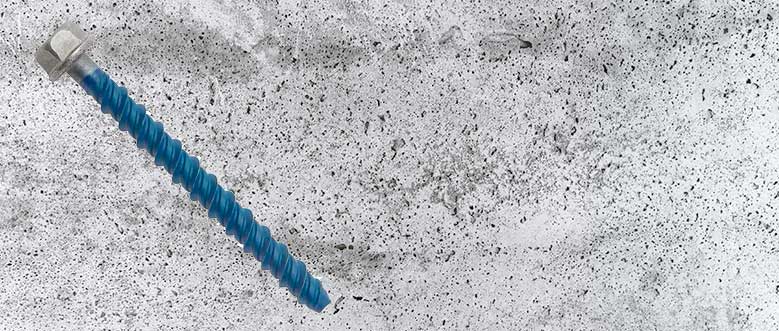
Galvanized flange head bolts are a critical fastening component widely utilized across numerous industrial sectors, including construction, automotive, and infrastructure. These bolts combine the high-strength properties of carbon steel with the corrosion resistance afforded by a zinc coating, typically applied through hot-dip galvanization. The flange head, characterized by its increased surface area, distributes clamping force more effectively than conventional bolt heads, mitigating bearing stress on the joined materials. Their primary function is to securely join materials, resisting shear and tensile forces while providing a robust and durable connection. This guide details the material science, manufacturing processes, performance characteristics, potential failure modes, and relevant industry standards associated with galvanized flange head bolts, providing a comprehensive resource for engineers, procurement specialists, and quality control personnel.
Material Science & Manufacturing
The core material for galvanized flange head bolts is typically medium carbon steel, such as ASTM A307 Grade A or ASTM A570 Grade 50. These steels offer a balance of strength, ductility, and weldability. The steel composition dictates mechanical properties; for instance, higher carbon content increases tensile strength but reduces ductility. The manufacturing process begins with hot forging, shaping the steel billet into the bolt preform, including the flange head. Subsequent machining operations, like thread rolling and head finishing, achieve the final dimensions and surface finish. Hot-dip galvanization is the most common method for applying the zinc coating. This involves immersing the cleaned steel bolts into a molten zinc bath, creating a metallurgical bond. The zinc acts as a sacrificial anode, corroding preferentially to the steel substrate. Alternatives include electrogalvanizing and mechanical plating, though these typically offer thinner coatings and reduced corrosion protection. Critical parameters in the galvanization process include bath temperature (typically 450-460°C), immersion time, and steel surface preparation. Inadequate surface preparation, such as residual scale or oil, can lead to poor coating adhesion and localized corrosion. Post-galvanization treatments, such as chromate conversion coatings, can further enhance corrosion resistance, though environmental regulations are increasingly restricting their use.
Performance & Engineering
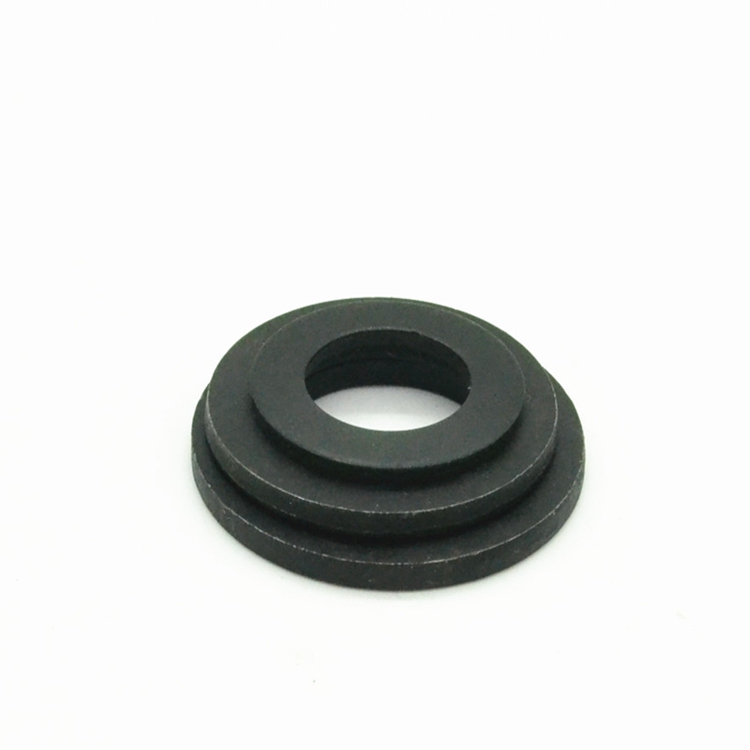
The performance of galvanized flange head bolts is governed by several key engineering factors. Tensile strength, the maximum stress the bolt can withstand before fracturing, is a primary consideration, typically ranging from 60,000 to 80,000 psi for Grade 5 bolts. Yield strength, the stress at which the bolt begins to deform permanently, is also crucial, usually around 70% of tensile strength. The flange head’s increased bearing surface reduces stress concentration on the connected materials, enhancing joint integrity. Corrosion resistance is directly related to the zinc coating thickness, typically measured in microns. A thicker coating provides longer-lasting protection, especially in harsh environments. Environmental resistance is affected by factors like salinity, humidity, and exposure to industrial pollutants. Bolts used in marine applications require thicker galvanization or supplementary coatings. Thread engagement length and tightening torque are critical parameters during installation. Insufficient torque can lead to loosening under vibration, while excessive torque can yield the bolt or strip the threads. Compliance requirements, such as those stipulated by ASTM standards, dictate minimum performance criteria for strength, ductility, and coating thickness. Force analysis, including shear and tensile load calculations, must be performed to ensure the bolt's capacity meets the application’s demands. Finite element analysis (FEA) is often employed for complex loading scenarios.
Technical Specifications
| Grade | Tensile Strength (PSI) | Yield Strength (PSI) | Zinc Coating Thickness (µm) |
|---|---|---|---|
| ASTM A307 Grade A | 60,000 | 36,000 | 50-70 |
| ASTM A307 Grade B | 85,000 | 58,000 | 50-70 |
| ASTM A570 Grade 50 | 85,000 | 50,000 | 85-125 |
| ISO 898-1 Class 8.8 | 90,000 | 74,000 | 50-150 (depending on process) |
| ISO 898-1 Class 10.9 | 109,000 | 95,000 | 50-150 (depending on process) |
| DIN 933 (M8-M20) | 80,000 | 60,000 | 50-80 |
Failure Mode & Maintenance
Galvanized flange head bolts can fail through several mechanisms. Hydrogen embrittlement, a common issue with high-strength steels exposed to acidic environments during galvanization, reduces ductility and can lead to brittle fracture. White rust (zinc corrosion product) formation, while initially protective, can accelerate corrosion if not addressed. Thread stripping can occur due to excessive tightening torque or improper thread engagement. Fatigue cracking, induced by cyclic loading, initiates at stress concentrators like thread roots or under the flange head. Galvanic corrosion can arise when the galvanized bolt is coupled with dissimilar metals in a conductive environment. Over-tightening can cause yielding of the bolt shank and permanent deformation of the flange. Maintenance strategies include periodic visual inspections for signs of corrosion, loose connections, or thread damage. Regular cleaning to remove dirt and debris prevents localized corrosion. Re-tightening bolts after initial settling and periodically thereafter ensures continued clamping force. For heavily corroded bolts, replacement is necessary. Preventive measures include selecting appropriate bolt grades for the application, ensuring proper surface preparation before galvanization, and applying supplementary coatings in corrosive environments. The use of anti-seize compounds on the threads can reduce galling and facilitate disassembly.
Industry FAQ
Q: What is the primary difference between hot-dip galvanization and electrogalvanization in terms of corrosion protection?
A: Hot-dip galvanization provides a thicker, more robust zinc coating with superior corrosion resistance due to the metallurgical bond formed between the zinc and the steel. Electrogalvanization results in a thinner coating that is less durable, though it offers a smoother surface finish. Hot-dip galvanization is typically preferred for outdoor applications where long-term corrosion protection is critical.
Q: How does the flange head design improve the performance of these bolts compared to standard hex head bolts?
A: The larger bearing surface of the flange head distributes clamping force over a wider area, reducing stress concentration on the connected materials. This minimizes the risk of crushing or damaging softer materials and provides a more stable and secure connection, particularly under vibration or dynamic loads.
Q: What are the potential consequences of using an incorrect torque value when tightening a galvanized flange head bolt?
A: Under-tightening can lead to loosening of the joint under load, potentially causing failure. Over-tightening can yield the bolt, strip the threads, or damage the connected materials. It’s crucial to consult the manufacturer’s specifications and use a calibrated torque wrench.
Q: What is hydrogen embrittlement and how can it be mitigated in galvanized bolts?
A: Hydrogen embrittlement occurs when atomic hydrogen, generated during the pickling and galvanization process, diffuses into the steel and reduces its ductility, leading to brittle fracture. Mitigation strategies include baking the bolts after galvanization to drive out the hydrogen, using corrosion inhibitors in the pickling bath, and selecting lower strength steel grades.
Q: Are there any environmental regulations affecting the use of certain galvanization treatments?
A: Yes, the use of hexavalent chromium (Cr6+) in post-galvanization treatments is increasingly restricted due to environmental concerns. Alternative treatments, such as trivalent chromium conversion coatings, are being adopted, though they may offer slightly reduced corrosion protection. Compliance with RoHS and REACH regulations is essential.
Conclusion
Galvanized flange head bolts represent a reliable and cost-effective fastening solution for a broad range of industrial applications. Their combination of high strength, corrosion resistance, and efficient load distribution makes them ideal for critical structural connections. A thorough understanding of the underlying material science, manufacturing processes, and potential failure modes is essential for ensuring optimal performance and longevity. Careful consideration of environmental factors, compliance requirements, and proper installation techniques are paramount to maximizing the benefits of these versatile fasteners.
Future advancements in galvanization technology, such as nano-coatings and improved surface preparation techniques, promise to further enhance the corrosion resistance and durability of galvanized flange head bolts. Continued research into hydrogen embrittlement mitigation and the development of environmentally friendly post-treatments will be crucial for meeting increasingly stringent regulatory requirements. The ongoing need for robust and reliable fastening solutions will ensure the continued relevance and importance of galvanized flange head bolts in the engineering landscape.
