
Introduction
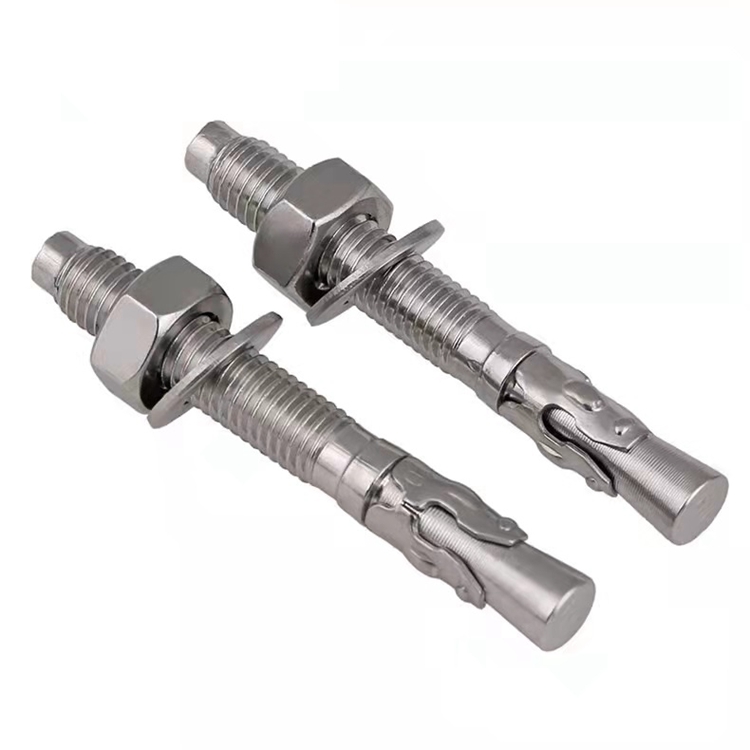
High strength thread rods, also known as threaded studs, are cylindrical fasteners characterized by threads along their entire length. They differ from bolts as they lack a head and are designed to be inserted through holes and secured with nuts at both ends. Positioned as critical load-bearing components within the industrial fastening supply chain, these rods serve in applications demanding substantial tensile strength and fatigue resistance. Core performance characteristics include yield strength, tensile strength, elongation, and hardness, all directly influencing their load-carrying capacity and reliability. The selection of appropriate materials and manufacturing processes is paramount to meeting stringent industry specifications and ensuring structural integrity in demanding applications such as pressure vessel assembly, bridge construction, and high-stress mechanical connections. The increasing demand for lighter, stronger materials and increasingly complex engineering designs drives ongoing innovation in high strength thread rod technology, focusing on advanced alloys and optimized thread forms.
Material Science & Manufacturing
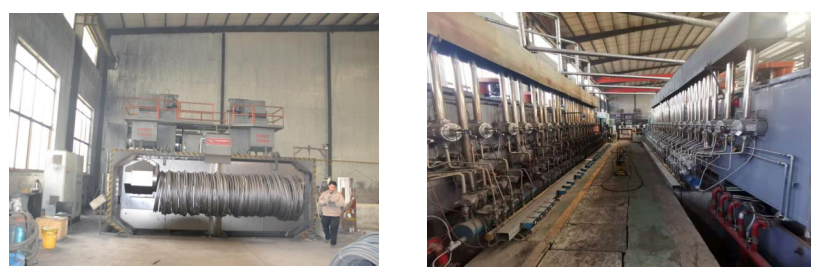
High strength thread rods are commonly manufactured from alloy steels, specifically those containing chromium, molybdenum, nickel, and vanadium. These alloying elements enhance strength, toughness, and corrosion resistance. Common material grades include ASTM A193 Grade B7 (Chromium-Molybdenum Alloy Steel), ASTM A307 Grade A (Carbon Steel – lower strength, typically for less critical applications), and various stainless steel alloys like 304, 316, and duplex stainless steels. The raw materials undergo rigorous quality control checks, including chemical composition analysis and mechanical property testing, to ensure conformance to specifications. Manufacturing processes typically involve cold heading, followed by thread rolling. Cold heading increases the grain flow along the length of the rod, enhancing its tensile strength. Thread rolling, as opposed to machining, work-hardens the surface, creating compressive residual stresses that improve fatigue life. Heat treatment – quenching and tempering – is a crucial step, optimizing the microstructure for desired mechanical properties. Precise control of temperature and time during heat treatment is essential to avoid embrittlement or loss of strength. Surface treatments, such as zinc plating, hot-dip galvanizing, or PTFE coating, are often applied to enhance corrosion resistance and facilitate assembly. Critical parameters monitored during manufacturing include thread pitch, diameter, hardness, and surface finish. Non-destructive testing methods like ultrasonic inspection and magnetic particle inspection are employed to detect internal flaws and surface cracks.
Performance & Engineering
The performance of high strength thread rods is primarily governed by their ability to withstand tensile loads, shear forces, and fatigue stresses. Force analysis involves calculating the tensile stress area (based on thread pitch and diameter) and determining the maximum allowable load based on the material’s yield strength and a suitable safety factor. Environmental resistance is a key consideration, particularly in corrosive environments. Stainless steel grades are selected for applications exposed to seawater, chemicals, or high humidity. Protective coatings further enhance corrosion resistance. Compliance requirements are dictated by industry-specific standards and regulatory bodies. For example, pressure vessel applications adhere to ASME Boiler and Pressure Vessel Code Section VIII, Division 1. Bridge construction must comply with AASHTO specifications. The thread form significantly impacts performance; Unified National Coarse (UNC) and Unified National Fine (UNF) threads are common, with UNF threads generally offering higher tensile strength due to a larger stress area. Consideration must be given to thread engagement length; insufficient engagement reduces the load-carrying capacity. Proper tightening torque is crucial to achieve the desired preload, ensuring the joint remains secure under dynamic loading. Finite element analysis (FEA) is often employed to simulate stress distributions and optimize rod geometry for specific applications. Creep resistance is also a critical parameter, especially in high-temperature applications, where sustained loading can lead to gradual deformation over time.
Technical Specifications
| Material Grade | Tensile Strength (MPa) | Yield Strength (MPa) | Elongation (%) | Hardness (Rockwell C) | Typical Applications |
|---|---|---|---|---|---|
| ASTM A193 B7 | 830 - 1000 | 720 - 895 | 18-23 | 30-37 | Pressure Vessels, High-Stress Connections |
| ASTM A307 Grade A | 690 | 517 | 21-23 | 70-80 | General Purpose Fastening |
| Stainless Steel 304 | 517 - 724 | 276 - 551 | 30-60 | 85-100 | Corrosive Environments, Food Processing |
| Stainless Steel 316 | 620 - 790 | 276 - 586 | 30-60 | 85-100 | Marine Applications, Chemical Processing |
| Duplex Stainless Steel | 930 - 1100 | 450 - 620 | 20-30 | 90-110 | High Strength, Corrosive Environments |
| Alloy 800/800H/800M | 700-900 | 310-480 | 20-35 | 85-105 | High-Temperature Service, Petrochemical |
Failure Mode & Maintenance
Common failure modes for high strength thread rods include tensile overload, fatigue failure, corrosion, and thread stripping. Tensile overload occurs when the applied load exceeds the material's ultimate tensile strength, resulting in immediate fracture. Fatigue failure arises from repeated cyclic loading, even below the yield strength, leading to crack initiation and propagation. Corrosion can weaken the rod material, reducing its load-carrying capacity and accelerating fatigue failure. Thread stripping occurs when the threads are damaged due to excessive torque or improper installation. Hydrogen embrittlement, particularly in high-strength steels, can lead to brittle fracture. Failure analysis typically involves visual inspection, microscopic examination of fracture surfaces, and chemical analysis to determine the root cause of failure. Preventive maintenance includes regular inspection for signs of corrosion, damage, or loosening. Lubrication of threads during installation reduces friction and prevents galling. Proper torque control is crucial to achieve the correct preload without overstressing the threads. Periodic retightening may be necessary, especially in applications subject to vibration or thermal cycling. Protective coatings should be maintained to prevent corrosion. For critical applications, non-destructive testing methods like ultrasonic inspection can be used to detect internal flaws before they lead to failure. Replacement of rods exhibiting signs of corrosion, damage, or fatigue is essential to maintain structural integrity.
Industry FAQ
Q: What is the impact of thread form (UNC vs UNF) on the load capacity of a high strength thread rod?
A: Unified National Fine (UNF) threads generally offer a higher load capacity compared to Unified National Coarse (UNC) threads, given the same diameter. This is because UNF threads have a greater stress area due to the smaller thread pitch. The increased stress area distributes the load over a larger surface, resulting in a higher tensile strength. However, UNF threads are more susceptible to cross-threading and may require more frequent inspection.
Q: How does heat treatment influence the mechanical properties of high strength thread rods?
A: Heat treatment, specifically quenching and tempering, is crucial for optimizing the microstructure of alloy steel rods. Quenching hardens the steel by transforming austenite into martensite, while tempering reduces brittleness and improves toughness. Precise control of temperature and time during these processes is vital. Incorrect heat treatment can lead to embrittlement, reduced tensile strength, or inadequate fatigue resistance.
Q: What are the common causes of hydrogen embrittlement in high strength thread rods and how can it be prevented?
A: Hydrogen embrittlement occurs when hydrogen atoms diffuse into the steel lattice, reducing its ductility and increasing its susceptibility to brittle fracture. It’s common in high-strength steels exposed to acidic environments or during electroplating processes. Prevention methods include using materials with lower susceptibility to hydrogen embrittlement, controlling the pH of the environment, and applying appropriate coatings to prevent hydrogen ingress. Baking after plating can also drive out absorbed hydrogen.
Q: What is the significance of proper tightening torque when installing high strength thread rods?
A: Proper tightening torque is essential to achieve the desired preload in the joint. Insufficient torque can lead to loosening under dynamic loading, while excessive torque can overstress the threads, causing stripping or even fracture. The appropriate torque value depends on the rod diameter, thread pitch, material grade, and lubrication conditions. Torque wrenches should be calibrated regularly to ensure accuracy.
Q: What are the recommended corrosion protection methods for high strength thread rods used in marine environments?
A: For marine environments, stainless steel alloys (316 or duplex stainless steel) are preferred due to their excellent corrosion resistance. However, even stainless steel can be susceptible to pitting corrosion. Additional protection methods include hot-dip galvanizing, PTFE coating, or the application of specialized corrosion inhibitors. Regular inspection and maintenance are crucial to identify and address any signs of corrosion.
Conclusion
High strength thread rods are indispensable components in numerous critical engineering applications, demanding rigorous material selection, precise manufacturing processes, and diligent adherence to industry standards. Their performance is governed by a complex interplay of material properties, mechanical loading, and environmental factors. Understanding these principles is paramount for ensuring structural integrity and preventing catastrophic failures. The ongoing development of advanced alloys and innovative manufacturing techniques continues to enhance the capabilities of these essential fasteners.
Looking ahead, the trend toward lightweighting and increased efficiency will drive further demand for high-strength, corrosion-resistant thread rods. Advancements in non-destructive testing and predictive maintenance will play an increasingly important role in ensuring the long-term reliability of these components. Collaboration between material scientists, engineers, and manufacturers will be critical to address the evolving challenges and unlock the full potential of high strength thread rod technology.