
Introduction
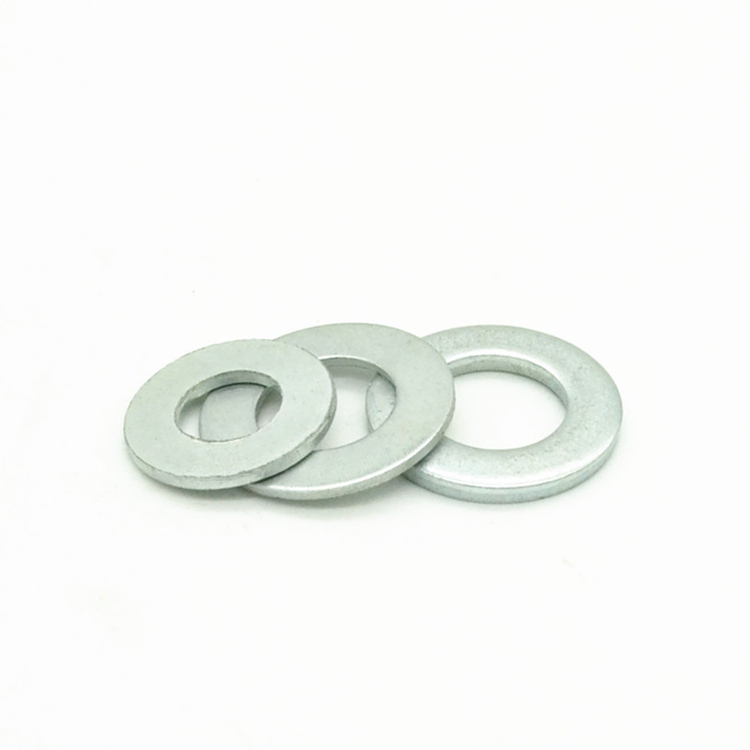
Hex wafer drilling screws are specialized fasteners designed for the efficient and precise creation of threaded holes in semiconductor wafers, printed circuit boards (PCBs), and other delicate materials. They differ from traditional screws by employing a unique flute geometry optimized for chip removal during drilling, preventing stress cracking and delamination common with conventional tapping or drilling methods. These screws are typically manufactured from high-speed steel (HSS) or cemented carbides, exhibiting high hardness and wear resistance. Their primary application lies within the electronics manufacturing industry, particularly in the assembly of multi-layer PCBs, microelectronic packaging, and advanced semiconductor devices. The increasing miniaturization of electronic components and the demand for higher density interconnections have driven the need for highly accurate and reliable wafer drilling screws. Poor screw quality or improper usage leads to wafer damage, yield loss, and increased manufacturing costs – representing a critical pain point for manufacturers.
Material Science & Manufacturing
The core material for hex wafer drilling screws is typically AISI M2 or M3 high-speed steel, offering a balance of hardness, toughness, and red hardness. Cemented carbide variants, such as WC (Tungsten Carbide) with Co (Cobalt) binders, are employed for higher production volumes and abrasive materials, providing superior wear resistance but reduced toughness. The raw material undergoes rigorous quality control, including chemical composition analysis via X-Ray Fluorescence (XRF) and hardness testing using Rockwell scales (HRC 58-65 typical). Manufacturing commences with precise grinding of the screw blank to the desired flute profile. This is achieved through multi-axis CNC grinding machines, maintaining tolerances within +/- 0.005mm. Flute geometry, characterized by helix angle, flute depth, and point angle, is crucial for efficient chip evacuation and minimizing wafer stress. A helix angle of 30-45 degrees is commonly used for optimal chip removal. Following grinding, the screw undergoes a surface treatment process. Titanium Nitride (TiN) coating is prevalent, enhancing wear resistance and reducing friction. Physical Vapor Deposition (PVD) is the dominant coating technique. Quality control post-coating includes coating thickness measurement (using a micrometer) and adhesion testing. Finally, screws are individually inspected under optical microscopes for defects such as burrs, cracks, or dimensional inaccuracies. The manufacturing process is heavily influenced by ISO 9001 standards to ensure consistency and traceability.
Performance & Engineering
The performance of hex wafer drilling screws is critically dependent on several engineering parameters. Torque control is paramount to prevent over-drilling and wafer damage. Recommended torque values vary based on wafer material (silicon, FR4, etc.), screw diameter, and pilot hole presence. Excessive torque induces compressive stress on the wafer, leading to cracking. Force analysis during drilling involves evaluating radial and axial forces acting on the wafer. Minimizing radial force is vital to avoid delamination. The screw's point geometry dictates the initiation of the drilling process. A self-centering point design improves accuracy and reduces the need for pre-drilled pilot holes. Environmental resistance is also a consideration, particularly in high-humidity environments where corrosion can degrade screw performance. Surface coatings, such as TiN, mitigate corrosion effects. Compliance requirements are stringent within the electronics industry. RoHS (Restriction of Hazardous Substances) and REACH (Registration, Evaluation, Authorisation and Restriction of Chemicals) regulations dictate the permissible materials used in screw manufacturing. Screw geometry must also comply with IPC (Association Connecting Electronics Industries) standards for PCB assembly. Finite Element Analysis (FEA) is routinely used to simulate drilling stresses and optimize screw design for specific applications.
Technical Specifications
| Screw Diameter (mm) | Flute Length (mm) | Overall Length (mm) | Helix Angle (degrees) |
|---|---|---|---|
| M2 | 10 | 18 | 35 |
| M3 | 15 | 25 | 40 |
| M4 | 20 | 32 | 30 |
| M5 | 25 | 40 | 38 |
| M6 | 30 | 48 | 32 |
| M8 | 40 | 60 | 45 |
Failure Mode & Maintenance
Failure modes in hex wafer drilling screws commonly manifest as premature wear, flute chipping, or screw breakage. Premature wear is often attributed to inadequate lubrication during drilling or the use of abrasive materials. Flute chipping arises from excessive drilling forces or impacts with hard inclusions in the wafer material. Screw breakage is typically caused by fatigue cracking induced by cyclical stress or exceeding the screw’s torque capacity. Failure analysis involves microscopic examination of the fractured surface to identify the root cause. Fatigue cracking often exhibits beach marking, indicating progressive crack growth. Delamination of the TiN coating can also contribute to accelerated wear. Maintenance primarily focuses on preventing failures rather than repairing damaged screws. Proper machine setup, including accurate torque control and appropriate drilling speed, is crucial. Regular inspection of screws for wear or damage is recommended. Use of high-quality coolant/lubricant minimizes friction and heat generation. Periodic calibration of drilling equipment ensures accuracy and prevents excessive forces. Storage of screws in a dry, clean environment prevents corrosion. Replacement of screws at predetermined intervals based on usage and material considerations minimizes the risk of catastrophic failure during production.
Industry FAQ
Q: What is the impact of helix angle on chip evacuation?
A: A higher helix angle (e.g., 40-45 degrees) promotes more aggressive chip evacuation, which is beneficial when drilling softer materials. However, it can also reduce the screw's cutting strength. A lower helix angle (e.g., 30-35 degrees) provides greater cutting strength but may require slower drilling speeds to prevent chip clogging.
Q: How does the choice of coating affect screw lifespan?
A: TiN coating significantly extends screw lifespan by enhancing wear resistance and reducing friction. Diamond-Like Carbon (DLC) coatings offer even higher hardness and lower friction but are more expensive. Uncoated screws have the shortest lifespan, especially when drilling abrasive materials.
Q: What torque settings are recommended for drilling silicon wafers?
A: Torque settings for silicon wafers vary based on wafer thickness and diameter. A general guideline is to start with a low torque setting (e.g., 0.1-0.2 Nm for M2 screws) and gradually increase until a clean hole is achieved without causing cracking. Always consult the wafer manufacturer’s specifications.
Q: What are the key considerations when selecting a screw material for FR4 PCBs?
A: For FR4 PCBs, HSS M3 is often sufficient due to the relatively low abrasiveness of the material. However, for high-volume production or PCBs with reinforcing materials (e.g., woven glass), cemented carbide screws provide superior wear resistance and longer tool life.
Q: How can I minimize the risk of delamination when drilling composite materials?
A: Minimize radial forces by using a self-centering screw point and employing a slow drilling speed. Proper cooling/lubrication is essential to prevent heat buildup and resin smearing. Consider using a specialized screw geometry designed for composite materials.
Conclusion
Hex wafer drilling screws represent a critical component in modern electronics manufacturing, enabling the creation of precise and reliable threaded holes in sensitive materials. Their performance is governed by a complex interplay of material science, manufacturing precision, and engineering design. Selecting the appropriate screw material, optimizing flute geometry, and controlling drilling parameters are vital to maximizing tool life, preventing wafer damage, and ensuring consistent production quality.
Looking ahead, advancements in screw coating technologies, such as multilayer coatings and nanocoatings, will further enhance wear resistance and reduce friction. The integration of sensor technology into screw designs will enable real-time monitoring of drilling forces and torque, allowing for adaptive control and optimized performance. Continuous refinement of manufacturing processes, guided by data analytics and machine learning, will drive greater consistency and reduce the risk of failure, ultimately contributing to increased yield and reduced manufacturing costs.