
Introduction
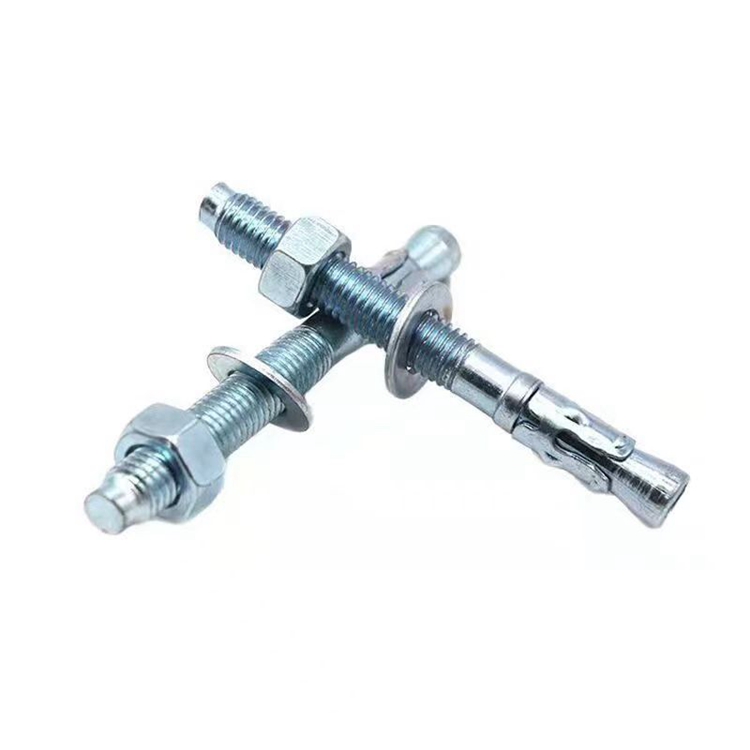
Galvanized wedge anchors are a critical fastening solution in numerous construction and industrial applications. They function as a mechanical anchor, providing high-strength, reliable connections into concrete, brick, and block substrates. Positioned within the broader family of expansion anchors, the wedge anchor distinguishes itself through its robust design, featuring a wedge-shaped component that expands against the borehole wall when tightened, creating a secure mechanical interlock. Their primary performance characteristics revolve around tensile strength, shear strength, and resistance to pull-out, all significantly influenced by the quality of the steel, the galvanization process, and the installation torque applied. Core industry pain points surrounding wedge anchors include premature failure due to hydrogen embrittlement, inconsistent installation leading to reduced holding power, and corrosion in harsh environments. This guide provides an in-depth technical examination of galvanized wedge anchors, encompassing material science, manufacturing processes, performance characteristics, failure modes, and relevant industry standards.
Material Science & Manufacturing
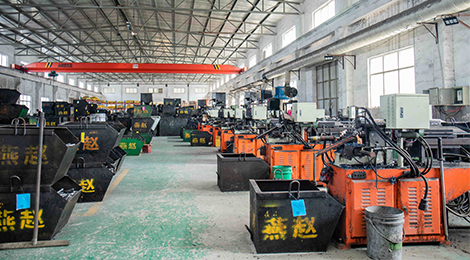
The core material for galvanized wedge anchors is typically medium to high-strength carbon steel, commonly AISI 1045 or equivalent. This steel is selected for its balance of ductility, tensile strength, and weldability (important for wedge component manufacturing). The steel’s initial composition dictates the achievable mechanical properties. Manufacturing begins with hot forging or cold heading to create the anchor body and the wedge component. Hot forging yields higher strength but requires post-processing for dimensional accuracy. Cold heading offers improved dimensional control but may require subsequent heat treatment for strength enhancement. Following forming, the steel undergoes heat treatment – typically quenching and tempering – to achieve the desired hardness and tensile strength (often exceeding 800 MPa). The wedge component receives particularly rigorous heat treatment to maximize its wear resistance.
Galvanization is a crucial step for corrosion protection. Hot-dip galvanizing, meeting ASTM A153 standards, is the most prevalent method. This involves immersing the steel components in molten zinc, creating a metallurgical bond that provides a barrier against corrosive elements. The zinc layer’s thickness (typically 50-85 μm) directly correlates with the corrosion resistance. Electrochemical protection is also provided by the galvanization process; zinc corrodes sacrificially, protecting the underlying steel. Surface preparation prior to galvanization is critical; proper cleaning and pickling are essential to ensure adequate zinc adhesion. Dimensional tolerances are carefully monitored during manufacturing; precise thread forming and wedge angle control are vital for optimal performance. Quality control includes hardness testing (Rockwell C scale), tensile strength testing, and visual inspection for surface defects.
Performance & Engineering
The performance of a galvanized wedge anchor is fundamentally governed by force analysis, specifically tensile and shear loading. Tensile strength, the maximum force the anchor can withstand before fracturing, is determined by the anchor body’s cross-sectional area and the material’s ultimate tensile strength. Shear strength, the resistance to forces acting perpendicular to the anchor’s axis, is influenced by the wedge’s geometry and the friction between the wedge and the borehole wall. Engineers must account for a safety factor when specifying wedge anchors, typically ranging from 4:1 to 6:1, depending on the application’s criticality and load dynamics.
Environmental resistance is paramount. Galvanized coatings provide excellent protection against atmospheric corrosion, but their effectiveness diminishes in highly corrosive environments, such as those containing chlorides (marine environments, de-icing salts) or sulfates. In such cases, supplemental corrosion protection, like epoxy coatings or stainless steel anchors, should be considered. Installation torque is a critical parameter; under-tightening results in insufficient expansion and reduced holding power, while over-tightening can strip the threads or damage the anchor body. Manufacturers provide recommended torque values, typically based on the anchor diameter and substrate material. Compliance requirements vary by region. In the US, ICC-ES reports (International Code Council – Evaluation Services) provide evidence of an anchor system’s compliance with building codes. European standards, such as EN 1992-4 (Design of fastenings for use in concrete) dictate design methodologies and performance criteria.
Technical Specifications
| Anchor Diameter (inches) | Minimum Tensile Strength (kN) | Minimum Shear Strength (kN) | Minimum Embedment Depth (inches) |
|---|---|---|---|
| 1/4" | 25 | 15 | 2.5 |
| 3/8" | 45 | 28 | 3 |
| 1/2" | 75 | 45 | 3.5 |
| 5/8" | 110 | 65 | 4 |
| 3/4" | 150 | 90 | 4.5 |
| 1" | 220 | 130 | 5 |
Failure Mode & Maintenance
Galvanized wedge anchors are susceptible to several failure modes. Fatigue cracking can occur under cyclical loading, particularly near the thread roots or the wedge interface. This is exacerbated by improper installation torque or excessive vibration. Hydrogen embrittlement is a significant concern, particularly with high-strength steels and in corrosive environments. Hydrogen atoms diffuse into the steel lattice, reducing its ductility and leading to brittle fracture. Pull-out failure occurs when the expansion force is insufficient to create a secure mechanical interlock with the borehole wall. This can result from under-tightening, damaged threads, or insufficient embedment depth. Corrosion is a long-term threat, even with galvanized coatings. Chloride ions penetrate the zinc layer, initiating pitting corrosion and weakening the anchor. Delamination of the zinc coating can also occur due to poor surface preparation during galvanization.
Preventive maintenance includes regular visual inspections for signs of corrosion, cracks, or deformation. Areas exposed to harsh environments should be inspected more frequently. If corrosion is detected, the anchor should be replaced. To mitigate hydrogen embrittlement, consider using anchors with a lower strength steel grade or applying a protective coating. Proper installation is critical; follow the manufacturer’s torque specifications and ensure the borehole is clean and free of debris. For long-term reliability, periodic re-tightening of the anchors may be necessary, particularly in applications subject to significant vibration or thermal cycling. Documentation of installation torque and inspection dates is essential for maintaining a reliable fastening system.
Industry FAQ
Q: What is the impact of borehole cleaning on the anchor's pull-out capacity?
A: Proper borehole cleaning is critical. Dust and debris prevent the wedge from fully engaging with the borehole wall, significantly reducing the expansion force and, consequently, the pull-out capacity. A clean borehole ensures intimate contact between the anchor and the substrate, maximizing the mechanical interlock and achieving the rated holding power.
Q: How does the zinc coating thickness affect the long-term corrosion resistance of the anchor?
A: The zinc coating thickness directly correlates with corrosion resistance. Thicker coatings provide a longer barrier against corrosive elements. ASTM A153 specifies minimum zinc coating thicknesses based on anchor size. Insufficient coating thickness compromises the anchor’s ability to withstand corrosive environments, leading to premature failure.
Q: What is the recommended torque for a 3/8" galvanized wedge anchor in concrete with a compressive strength of 4000 psi?
A: The recommended torque varies by manufacturer, but typically falls within the range of 15-20 ft-lbs for a 3/8" anchor in 4000 psi concrete. Always consult the anchor manufacturer’s specifications for precise torque values. Using a calibrated torque wrench is essential to avoid over-tightening or under-tightening.
Q: Can galvanized wedge anchors be used in concrete containing chlorides?
A: While galvanization provides some corrosion protection, prolonged exposure to chlorides can still lead to corrosion. In environments with high chloride concentrations (e.g., marine environments, de-icing salts), supplemental corrosion protection, such as epoxy coatings or stainless steel anchors, is strongly recommended. Regular inspections are also crucial.
Q: What is the difference between a fully threaded and a partially threaded wedge anchor, and how does it impact installation?
A: Fully threaded anchors offer more consistent clamping pressure along the entire embedment depth, making them suitable for applications with varying load distributions. Partially threaded anchors provide faster installation and are often preferred for applications where maximum embedment depth is a concern. The installation process is largely similar for both types, but ensure proper torque application for optimal performance.
Conclusion
Galvanized wedge anchors represent a robust and reliable fastening solution for a wide range of concrete and masonry applications. Their performance is inextricably linked to the material properties of the steel, the quality of the galvanization process, and the precision of the manufacturing process. Understanding the potential failure modes, such as hydrogen embrittlement and corrosion, and implementing appropriate preventive measures, including proper installation techniques and regular inspections, are critical for ensuring long-term structural integrity. The appropriate selection and utilization of these anchors, guided by relevant industry standards and engineering best practices, are fundamental to achieving safe and durable construction.
Looking ahead, advancements in coating technologies, such as duplex coatings (zinc-nickel alloy followed by a sealant), promise enhanced corrosion resistance in aggressive environments. Furthermore, the increasing adoption of Building Information Modeling (BIM) will facilitate more accurate anchor selection and placement, optimizing performance and reducing the risk of failure. Ongoing research into high-strength steel alloys and improved manufacturing processes will continue to drive innovation in wedge anchor technology, providing even more reliable and efficient fastening solutions for the construction industry.