
Introduction
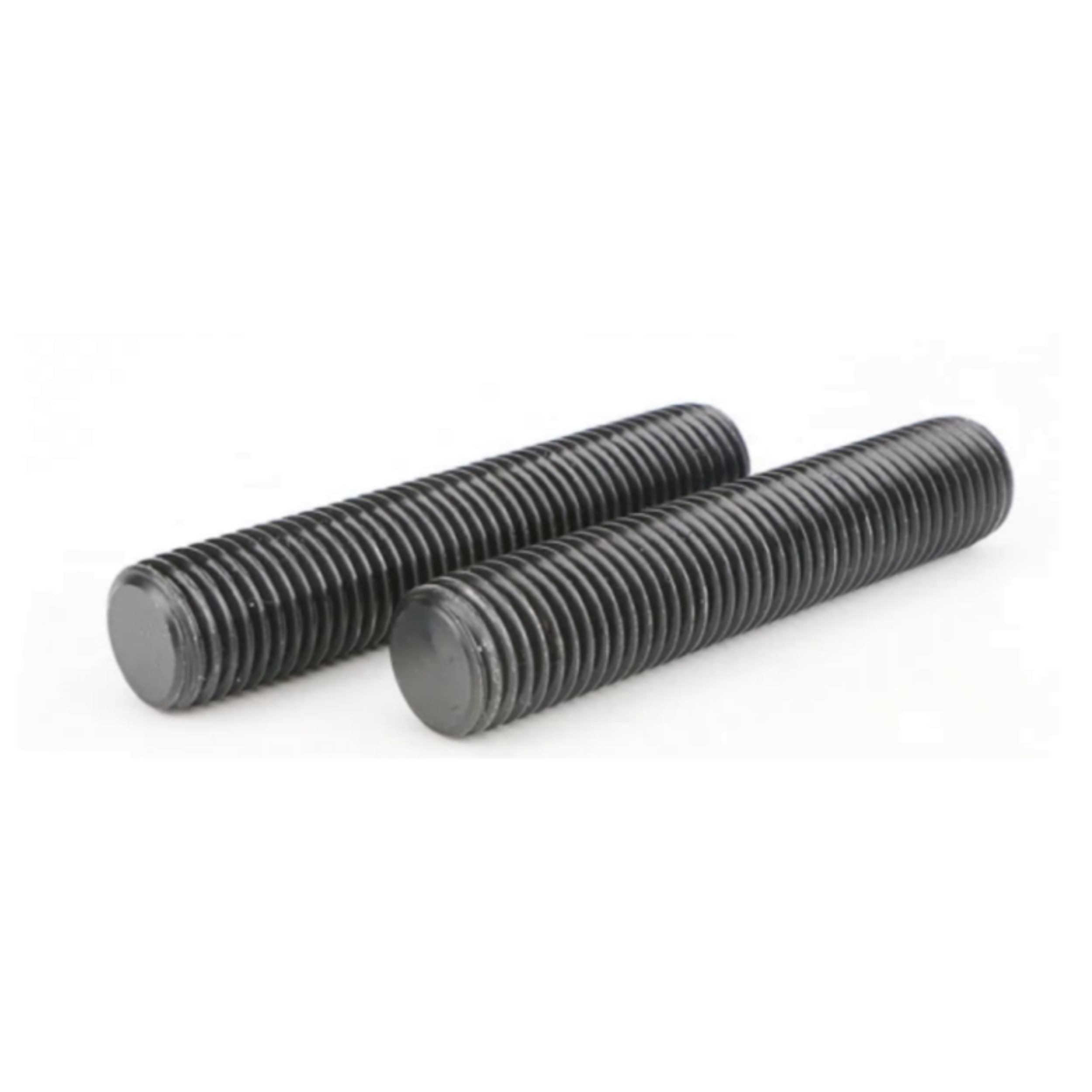
Color-zinc drop-in anchors represent a critical fastening solution within the construction and industrial sectors, specifically designed for secure attachment into concrete, brick, and block materials. These anchors, characterized by a zinc-alloy body and often a colored coating for identification or aesthetic purposes, operate on the principle of mechanical interlock. They consist of a threaded body, an expansion cone, and a wedge. Upon tightening of a bolt inserted through the fixture and into the anchor, the wedge is drawn up, expanding the cone against the hole walls, creating a robust and reliable connection. Their primary function is to provide a high-strength, removable fastening solution where traditional wedge anchors might be unsuitable due to edge distance or material limitations. This guide provides a comprehensive technical overview of color-zinc drop-in anchors, encompassing material science, manufacturing processes, performance characteristics, potential failure modes, and relevant industry standards. Understanding these elements is crucial for engineers, procurement managers, and construction professionals to ensure optimal anchor selection and installation, mitigating risk and maximizing structural integrity.
Material Science & Manufacturing
The core material for color-zinc drop-in anchors is typically a zinc alloy, frequently employing Zamak alloys (zinc-aluminum-magnesium-copper). The specific alloy composition directly impacts the anchor's tensile strength, ductility, and corrosion resistance. Aluminum content (typically 4%) enhances strength and workability, while magnesium (around 0.3-0.8%) improves castability and corrosion protection. Copper (less than 1%) acts as a strengthening agent. Manufacturing predominantly utilizes die casting, a process where molten zinc alloy is injected under high pressure into a reusable steel mold. This method allows for high production volumes and intricate geometries. Critical parameters during die casting include melt temperature (approximately 450-500°C), injection pressure (7-70 MPa), and mold temperature (150-250°C). Post-casting, anchors undergo deburring to remove excess material and ensure smooth surfaces. The characteristic colored coating is commonly applied via electrodeposition or powder coating. Electrodeposition utilizes an electrolytic process to deposit a thin, uniform layer of organic or inorganic pigments, providing corrosion resistance and visual identification. Powder coating involves applying a dry powder electrostatically, followed by curing under heat to form a durable finish. The color pigment selection impacts UV resistance and long-term aesthetic stability. Finally, threads are typically cold-formed to enhance their strength and accuracy. Quality control includes dimensional checks, material composition analysis (using X-ray fluorescence), and coating thickness measurements.
Performance & Engineering
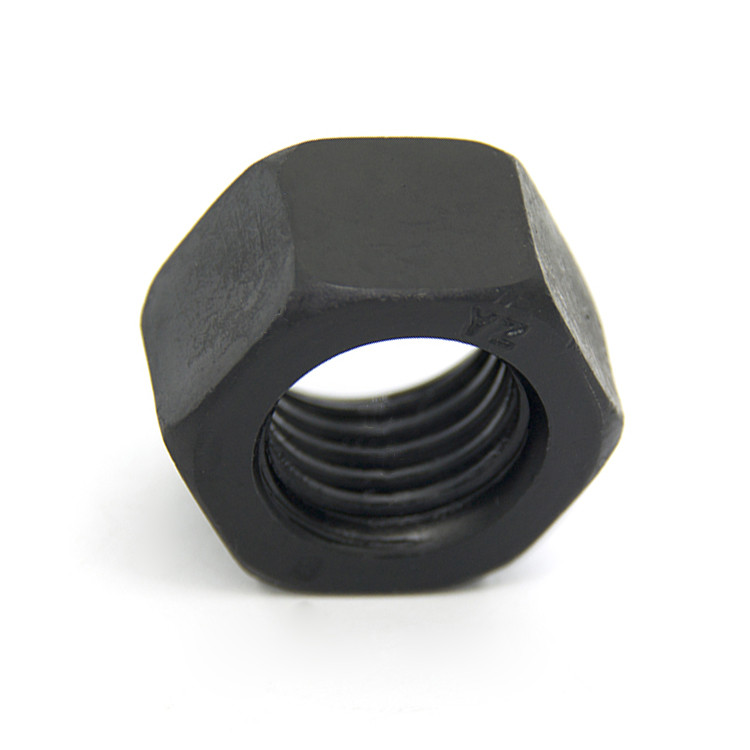
The performance of color-zinc drop-in anchors is dictated by several key engineering factors. Tensile strength, representing the maximum load the anchor can withstand before fracturing, is paramount. This is heavily influenced by the zinc alloy composition and the quality of the cold-formed threads. Shear strength, the ability to resist forces acting parallel to the anchor axis, is also critical, particularly in applications subject to lateral loads. The expansion mechanism’s efficiency directly affects both tensile and shear capacities. Force analysis reveals that the expanding cone generates radial pressure against the hole walls. The magnitude of this pressure, and therefore the holding power, is dependent on the tightening torque applied to the bolt and the material properties of the base material (concrete, brick, etc.). Environmental resistance, particularly corrosion, is a major concern. While zinc provides sacrificial protection, the alloy’s corrosion rate is accelerated in marine environments or when exposed to chlorides. Coating selection plays a crucial role in mitigating this effect. Compliance requirements vary by region and application. In seismic zones, anchors must meet stringent seismic performance criteria, often dictated by building codes like the International Building Code (IBC). These codes specify load combinations and acceptance criteria for anchors subjected to cyclic loading. Functional implementation requires careful consideration of hole size, embedment depth, and edge distances. Improper installation can significantly reduce anchor capacity. Finite element analysis (FEA) is often used to optimize anchor geometry and predict performance under various loading scenarios.
Technical Specifications
| Anchor Diameter (mm) | Minimum Embedment Depth (mm) | Minimum Hole Diameter (mm) | Tensile Strength (kN) |
|---|---|---|---|
| 6 | 40 | 6.5 | 8 |
| 8 | 50 | 8.5 | 12 |
| 10 | 60 | 10.5 | 18 |
| 12 | 70 | 12.5 | 25 |
| 16 | 80 | 16.5 | 35 |
| 20 | 90 | 20.5 | 50 |
Failure Mode & Maintenance
Color-zinc drop-in anchors are susceptible to several failure modes. Fatigue cracking can occur under cyclic loading, particularly in applications subjected to vibrations or dynamic forces. This is initiated by microscopic cracks that propagate over time, eventually leading to anchor failure. Delamination of the zinc alloy, especially around the expansion cone, can result from poor casting quality or excessive loading. Corrosion, as previously mentioned, is a significant concern, potentially leading to a reduction in anchor strength and eventual failure. Galvanic corrosion can also occur when the zinc alloy is in contact with dissimilar metals in a corrosive environment. Oxidation of the zinc coating, while not immediately catastrophic, reduces its protective properties. Improper installation is a common cause of failure, including insufficient embedment depth, oversized or undersized holes, and over-tightening or under-tightening of the bolt. Maintenance primarily involves visual inspection for signs of corrosion, cracking, or delamination. Periodic torque checks are recommended to ensure the bolt remains properly tightened. In corrosive environments, re-coating the anchor with a protective layer may extend its service life. If significant corrosion or damage is detected, the anchor should be replaced immediately. Regular cleaning to remove debris and contaminants can also help prevent premature failure. Preventative maintenance programs focusing on proper installation and periodic inspection are crucial for maximizing the long-term reliability of these anchors.
Industry FAQ
Q: What is the impact of hole cleanliness on the performance of a drop-in anchor?
A: Hole cleanliness is paramount. Dust, debris, or loose particles within the hole significantly reduce the anchor’s expansion efficiency, leading to lower holding capacity. These particles prevent the expansion cone from making full contact with the hole walls. Thoroughly cleaning the hole using compressed air and a brush immediately before anchor installation is essential.
Q: How does concrete compressive strength affect the anchor’s pull-out resistance?
A: Higher concrete compressive strength generally results in greater pull-out resistance. The anchor relies on friction and interlock with the surrounding concrete. Stronger concrete provides a more robust surface for the expansion cone to grip. However, excessively strong concrete can also be more brittle, potentially leading to concrete cracking around the anchor. Design calculations must account for the specific concrete strength and follow relevant building code provisions.
Q: Can drop-in anchors be used in cracked concrete?
A: Drop-in anchors can be used in cracked concrete, but require careful consideration and specific anchor designs certified for cracked concrete applications. These anchors typically incorporate features that enhance their ability to maintain load capacity in the presence of cracks. The crack width and spacing must be within the limits specified by the anchor manufacturer and relevant building codes.
Q: What torque should be applied to the bolt during installation?
A: The appropriate torque depends on the anchor diameter, material, and application. Over-tightening can strip the threads or damage the anchor, while under-tightening may result in insufficient expansion. Always refer to the anchor manufacturer’s installation instructions for the recommended torque value. Using a calibrated torque wrench is crucial for achieving accurate and consistent results.
Q: How do different coatings affect corrosion resistance?
A: Different coatings offer varying levels of corrosion protection. Electrodeposited zinc-nickel alloys provide superior corrosion resistance compared to standard zinc coatings. Powder coatings, particularly those with epoxy or polyester resins, also offer excellent protection. The coating thickness and application process significantly impact performance. In highly corrosive environments, consider stainless steel anchors or anchors with specialized protective coatings.
Conclusion
Color-zinc drop-in anchors represent a versatile and cost-effective fastening solution for a wide range of construction and industrial applications. Their performance, however, is inextricably linked to material selection, manufacturing quality, and proper installation. A comprehensive understanding of the factors influencing tensile strength, shear strength, and corrosion resistance is paramount for engineers and contractors. Selecting the correct anchor size, embedment depth, and tightening torque, in accordance with manufacturer specifications and relevant building codes, is crucial for ensuring long-term structural integrity and preventing premature failure.
Future developments in anchor technology are likely to focus on improved corrosion resistance, enhanced seismic performance, and the integration of smart sensing capabilities for real-time load monitoring. Further research into advanced zinc alloy compositions and coating materials will contribute to longer service life and reduced maintenance requirements. The adoption of digital tools, such as BIM (Building Information Modeling), will facilitate more accurate anchor design and placement, minimizing risks and optimizing structural performance. Continued adherence to rigorous quality control standards and comprehensive installation training will remain essential for maximizing the benefits of color-zinc drop-in anchor technology.