
Introduction
Camber bolts are critical fastening components used in vehicle suspension systems to adjust the camber angle of wheels. This adjustment is vital for optimal tire contact with the road surface, maximizing handling performance, and minimizing uneven tire wear. Unlike standard bolts, camber bolts typically feature an offset head design allowing for incremental adjustments within the suspension component. Their technical position in the automotive supply chain is as a specialized fastening solution falling under the broader category of chassis components. Core performance metrics are defined by tensile strength, yield strength, corrosion resistance, and the precision of the adjustment mechanism. Failure to maintain proper camber, or the use of substandard camber bolts, leads to accelerated tire wear, compromised vehicle stability, and potential safety hazards. The increasing complexity of modern vehicle suspension systems, coupled with the demand for precise wheel alignment, is driving advancements in camber bolt design and materials.
Material Science & Manufacturing
Camber bolts are primarily manufactured from medium carbon alloy steels, typically AISI 4140 or similar, chosen for their high tensile strength and ductility. The raw material undergoes a heat treatment process – usually quenching and tempering – to achieve the desired hardness and toughness. A critical property is the core hardness, achieved through carburization, ensuring resistance to shear forces during adjustment. Manufacturing processes commonly include cold forging to create the bolt head with its offset geometry, followed by thread rolling for precise thread formation. Key parameter control during thread rolling is crucial; incorrect feed rates or die pressures can lead to stress concentrations and premature failure. Surface treatment, typically zinc plating or dichromate coating, is applied to enhance corrosion resistance. Variations in coating thickness impact long-term durability. Some high-performance camber bolts utilize aerospace-grade alloy steels, such as 300M, for increased strength-to-weight ratio. Welding is generally avoided in the critical load-bearing sections of camber bolts due to the potential for weld defects and reduced fatigue life. Quality control involves rigorous dimensional inspection, hardness testing (Rockwell C scale), and non-destructive testing (NDT) methods like magnetic particle inspection to detect surface cracks. The chemical composition is verified via spectrometer analysis, ensuring adherence to material specifications.
Performance & Engineering
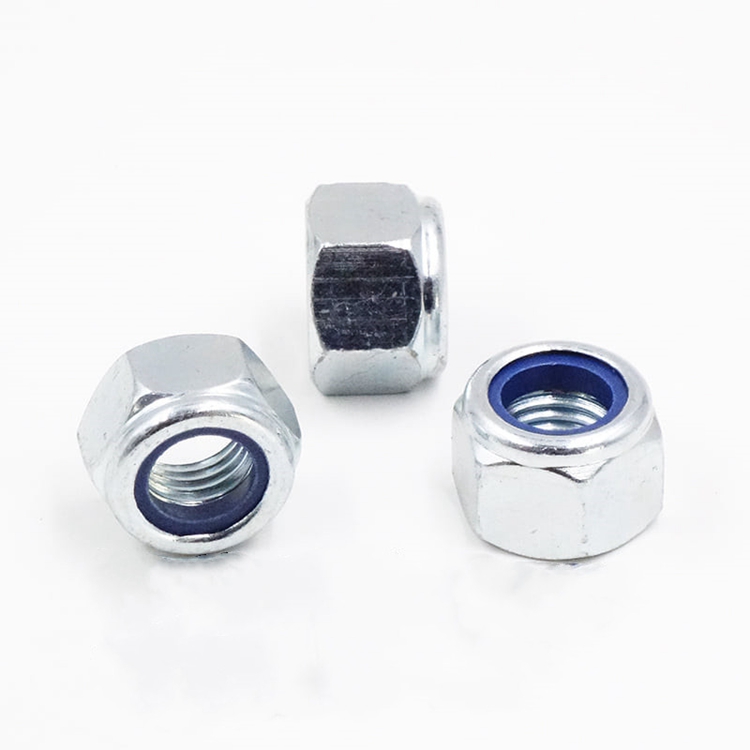
The performance of camber bolts is dictated by their ability to withstand tensile and shear stresses generated during suspension articulation and vehicle loading. Force analysis involves calculating the bending moment acting on the bolt shank during camber adjustment. Finite Element Analysis (FEA) is employed to optimize bolt geometry and identify stress concentration points. Environmental resistance is critical, particularly exposure to road salts, moisture, and temperature fluctuations. Corrosion can significantly reduce bolt strength and lead to seizing within the suspension components. Compliance requirements, as mandated by automotive industry standards, dictate minimum tensile strength, yield strength, and corrosion resistance levels. The adjustment mechanism, typically a cam or eccentric design, must maintain precise positioning under repeated loading cycles. Engineering considerations include the selection of appropriate locking mechanisms, such as nylon inserts or prevailing torque nuts, to prevent loosening due to vibration. Material fatigue is a primary concern; camber bolts are subjected to cyclical loading, requiring materials with high fatigue endurance limits. Proper preload torque during installation is crucial for maximizing bolt clamping force and preventing joint separation. Incorrect torque can lead to premature failure or damage to suspension components. The bolt’s elongation and compression characteristics under load must be precisely calculated to ensure accurate camber adjustments.
Technical Specifications
| Bolt Diameter (mm) | Thread Pitch (mm) | Tensile Strength (MPa) | Yield Strength (MPa) |
|---|---|---|---|
| M8 | 1.25 | 800 | 650 |
| M10 | 1.5 | 900 | 750 |
| M12 | 1.75 | 1000 | 850 |
| M14 | 2.0 | 1100 | 950 |
| M16 | 2.5 | 1200 | 1050 |
| M18 | 2.5 | 1300 | 1150 |
Failure Mode & Maintenance
Camber bolts are susceptible to several failure modes. Fatigue cracking is common, initiated at stress concentration points within the bolt head or thread root, particularly under cyclical loading. Corrosion, especially galvanic corrosion between dissimilar metals, can weaken the bolt and lead to brittle fracture. Seizing within the suspension components is another frequent issue, often caused by corrosion and lack of lubrication. This can make camber adjustments impossible and potentially damage the suspension. Shear failure can occur if the bolt is subjected to excessive side loads. Thread stripping can happen during adjustment if the bolt is overtorqued or if the threads are damaged. Failure analysis typically involves metallographic examination to identify the root cause of failure, such as fatigue striations, corrosion pits, or material defects. Preventative maintenance includes regular inspection for corrosion, lubrication of the bolt threads, and proper torque application during installation. If seizing occurs, penetrating oil should be applied, and careful extraction techniques employed to avoid damaging the suspension components. Periodic re-torqueing is recommended, especially after off-road use or exposure to harsh environments. Replacing camber bolts after a significant suspension repair is advisable, regardless of their apparent condition, to ensure optimal performance and safety.
Industry FAQ
Q: What is the impact of using a camber bolt with a lower tensile strength than specified by the vehicle manufacturer?
A: Utilizing a camber bolt with insufficient tensile strength compromises the integrity of the suspension system. Lower tensile strength increases the risk of fatigue failure, particularly under demanding driving conditions. This can lead to unexpected component failure, loss of vehicle control, and potential safety hazards. Always adhere to the manufacturer's specifications.
Q: How does the coating type affect the long-term performance of a camber bolt?
A: The coating type significantly impacts corrosion resistance. Zinc plating offers moderate protection, while dichromate coatings provide superior corrosion resistance but are subject to environmental regulations due to hexavalent chromium. Newer coatings, such as Geomet or zinc-nickel alloys, offer enhanced corrosion protection and environmental compliance. The coating thickness is also critical; a thinner coating offers less protection.
Q: What is the recommended torque specification for camber bolt installation?
A: Torque specifications vary depending on bolt size, material, and vehicle application. Refer to the vehicle’s service manual for the precise torque value. Overtorquing can strip the threads, while undertorquing can lead to loosening and potential failure. Use a calibrated torque wrench to ensure accurate application.
Q: How can I identify a camber bolt that is beginning to fail due to fatigue?
A: Early signs of fatigue failure include visible cracks around the bolt head or thread root, discoloration due to corrosion, and difficulty adjusting the camber angle. A thorough visual inspection is essential. If any signs of damage are observed, the bolt should be replaced immediately. Non-destructive testing methods can also be employed for more detailed analysis.
Q: What are the implications of using dissimilar metals in the camber bolt and suspension component assembly?
A: Combining dissimilar metals, such as steel bolts with aluminum suspension components, can create a galvanic cell, accelerating corrosion. This is particularly problematic in the presence of electrolytes like road salt. Using compatible materials or applying a corrosion-inhibiting compound between the surfaces can mitigate this issue. Proper coating selection is crucial in these scenarios.
Conclusion
Camber bolts are far more than simple fasteners; they are integral components influencing vehicle handling, tire life, and overall safety. Their performance relies heavily on material selection, precise manufacturing processes, and adherence to stringent engineering standards. Understanding the failure modes associated with camber bolts – fatigue, corrosion, and seizing – is crucial for preventative maintenance and ensuring long-term reliability.
The automotive industry’s increasing demands for precise wheel alignment and enhanced vehicle dynamics will continue to drive innovation in camber bolt design and materials. Future developments are likely to focus on advanced alloy compositions, improved corrosion protection, and more sophisticated adjustment mechanisms. Proper selection, installation, and maintenance of camber bolts remain paramount for maximizing vehicle performance and ensuring driver safety.