
Introduction
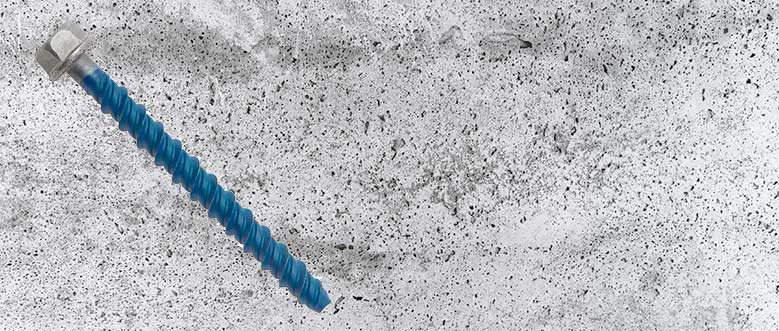
3/8-inch bolts represent a ubiquitous fastening element critical across diverse industrial applications, including automotive assembly, machinery construction, structural engineering, and infrastructure projects. These fasteners, categorized within the broader hex bolt family, are defined by their 3/8-inch diameter thread and are commonly utilized where moderate clamping force is required. Their selection hinges on factors encompassing material composition, mechanical properties, finish, and adherence to specific industry standards. The technical position of the 3/8 bolt in the industrial chain is as a component part – typically procured from specialized fastener manufacturers – integrated into larger assemblies. Core performance characteristics center around tensile strength, shear strength, yield strength, proof load, and fatigue resistance, directly influencing the integrity and longevity of joined structures. The increasing demand for higher-strength, corrosion-resistant fasteners necessitates a deeper understanding of their material science, manufacturing processes, and potential failure modes.
Material Science & Manufacturing
The most common material for 3/8 bolts is carbon steel, specifically medium carbon steel like AISI 1045. This material offers a balance of strength, ductility, and cost-effectiveness. Alloy steels, such as 4140 chromoly, are employed when higher strength and toughness are paramount, particularly in applications subject to dynamic loading or extreme temperatures. Stainless steels (304, 316) provide superior corrosion resistance, crucial in environments exposed to moisture, chemicals, or marine conditions. Manufacturing typically begins with raw steel wire, which is cold-headed to form the bolt shape. This process induces work hardening, increasing the material's strength. Following heading, the bolt undergoes thread rolling, a cold-forming process imparting the 3/8-inch thread. Thread rolling doesn't cut material, preserving grain flow and enhancing fatigue strength. Heat treatment, including hardening and tempering, is then applied to achieve the desired mechanical properties. Critical parameters include precise temperature control during heat treatment to optimize microstructure, consistent thread pitch and form during rolling to ensure proper engagement with nuts, and surface finish to minimize corrosion susceptibility. Protective coatings, such as zinc plating, hot-dip galvanization, or PTFE, are applied to further enhance corrosion resistance and reduce galling.
Performance & Engineering
The performance of a 3/8 bolt is governed by its ability to withstand applied loads without failure. Force analysis involves calculating tensile stress (force per unit area) and shear stress (force parallel to the cross-section). The bolt’s pre-load, or tightening torque, is critical, as it determines the clamping force between the joined materials. Insufficient pre-load can lead to joint loosening, while excessive pre-load can cause bolt stretching or stripping of threads. Environmental resistance is a key consideration. Corrosion, particularly in chloride-rich environments, can significantly reduce bolt strength and lead to premature failure. Galvanic corrosion, arising from dissimilar metal contact, must also be addressed. Compliance requirements depend on the application. For example, in automotive applications, bolts must meet IATF 16949 standards, ensuring robust quality management systems. In aerospace, adherence to AMS standards (Aerospace Material Specifications) is mandatory. Functional implementation includes careful selection of the bolt grade (e.g., Grade 2, Grade 5, Grade 8) based on the calculated loads and environmental conditions. Proper washer selection is also crucial – hardened washers distribute load and protect the joint surface. Detailed FEA (Finite Element Analysis) is frequently employed to simulate stress distributions and optimize bolt design.
Technical Specifications
| Grade | Tensile Strength (PSI) | Yield Strength (PSI) | Hardness (Rockwell C) | Typical Applications |
|---|---|---|---|---|
| Grade 2 | 60,000 | 40,000 | C32-C38 | Low-stress applications, general assembly |
| Grade 5 | 85,000 | 60,000 | C38-C45 | Automotive, machinery, structural components |
| Grade 8 | 150,000 | 110,000 | C45-C52 | High-strength applications, critical fasteners |
| 304 Stainless Steel | 75,000 | 30,000 | C20-C30 | Corrosive environments, food processing |
| 316 Stainless Steel | 90,000 | 35,000 | C25-C35 | Marine applications, chemical processing |
| 4140 Alloy Steel | 180,000 | 130,000 | C40-C50 | High-stress, high-temperature applications |
Failure Mode & Maintenance
Common failure modes for 3/8 bolts include tensile failure (fracture due to excessive tensile stress), shear failure (fracture due to excessive shear stress), fatigue failure (fracture due to cyclic loading), thread stripping (damage to the threads preventing proper engagement), and corrosion-induced failure (weakening of the bolt due to corrosion). Fatigue cracking is a particularly prevalent issue in applications subjected to vibration or fluctuating loads, initiating at stress concentrations like thread roots. Delamination can occur in coated bolts if the coating is improperly applied or damaged. Hydrogen embrittlement, a phenomenon where hydrogen atoms diffuse into the metal, reducing ductility, is a concern in high-strength bolts and corrosive environments. Maintenance involves regular inspection for signs of corrosion, loosening, or damage. Torque checks should be performed periodically to ensure adequate clamping force. Lubrication with appropriate anti-seize compounds can prevent galling and corrosion. If a bolt shows signs of damage, it should be replaced immediately. Proper storage of bolts in a dry environment is also crucial to prevent corrosion. Ultrasonic testing and dye penetrant inspection can be used for non-destructive testing to detect internal cracks or surface defects.
Industry FAQ
Q: What is the impact of thread engagement length on bolt strength?
A: Thread engagement length directly influences the bolt's resistance to stripping. Shorter engagement lengths reduce the effective shear area, increasing the stress on the threads. Industry standards typically recommend a minimum engagement length equal to the bolt diameter, and often greater for softer materials or applications with high vibration.
Q: How does heat treatment affect the performance of a 3/8 bolt?
A: Heat treatment, specifically hardening and tempering, dramatically alters the mechanical properties. Hardening increases strength and hardness but reduces ductility, making the bolt brittle. Tempering reduces brittleness while maintaining a significant level of strength. Improper heat treatment can lead to either a bolt that is too brittle and prone to fracture or too soft and susceptible to deformation.
Q: What considerations should be made when selecting a bolt material for a corrosive environment?
A: Material selection is paramount. Stainless steel alloys, particularly 316, offer excellent corrosion resistance in many environments. However, specific chemical exposure must be considered. Protective coatings, such as zinc, galvanization, or specialized polymer coatings, can further enhance corrosion protection. Avoiding dissimilar metal contact can prevent galvanic corrosion.
Q: What is the significance of bolt grade markings?
A: Bolt grade markings (e.g., SAE Grade 2, 5, 8) indicate the material's tensile strength and yield strength. These markings allow engineers to select bolts with the appropriate mechanical properties for the application, ensuring structural integrity and safety. The number of radial head markings indicate the grade.
Q: What role do washers play in a bolted joint?
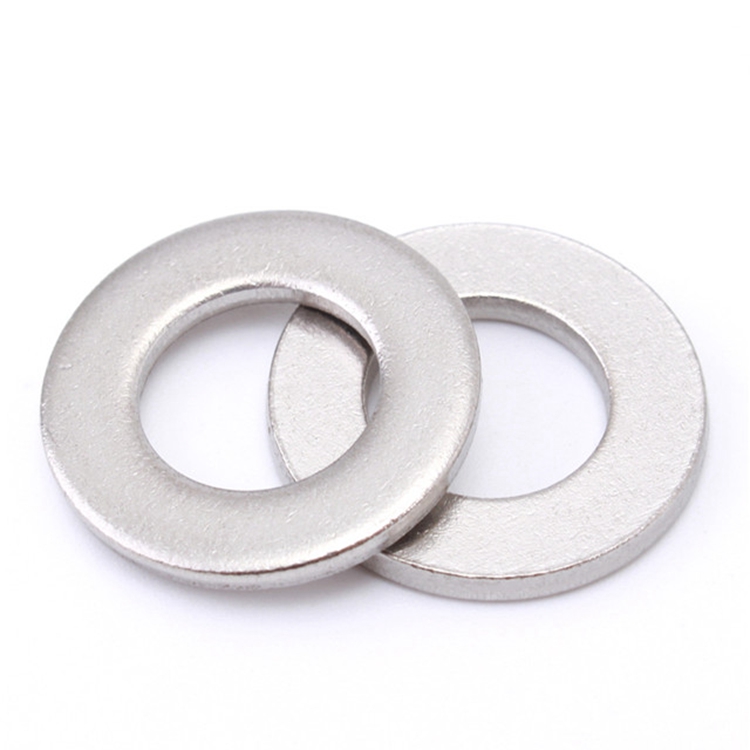
A: Washers serve multiple critical functions. They distribute the clamping load over a wider area, preventing damage to the joined materials. They provide a bearing surface, reducing friction during tightening. They also protect the joint surface from corrosion and prevent loosening due to vibration. Hardened washers are recommended for high-stress applications.
Conclusion
The 3/8 bolt, while seemingly a simple component, represents a complex interplay of material science, manufacturing precision, and engineering considerations. Its performance is inextricably linked to its material composition, heat treatment, thread form, and the environmental conditions it encounters. Proper bolt selection, coupled with correct installation and maintenance procedures, are vital to ensure the long-term reliability and safety of any assembled structure.
Future advancements in fastener technology will likely focus on the development of higher-strength, lighter-weight materials, as well as innovative coating technologies to enhance corrosion resistance and reduce friction. The increasing adoption of digital twins and predictive maintenance techniques will also play a role in optimizing bolt performance and preventing failures. The continued refinement of industry standards and quality control measures will remain critical for ensuring the consistent performance and reliability of 3/8 bolts across diverse applications.