
Introduction
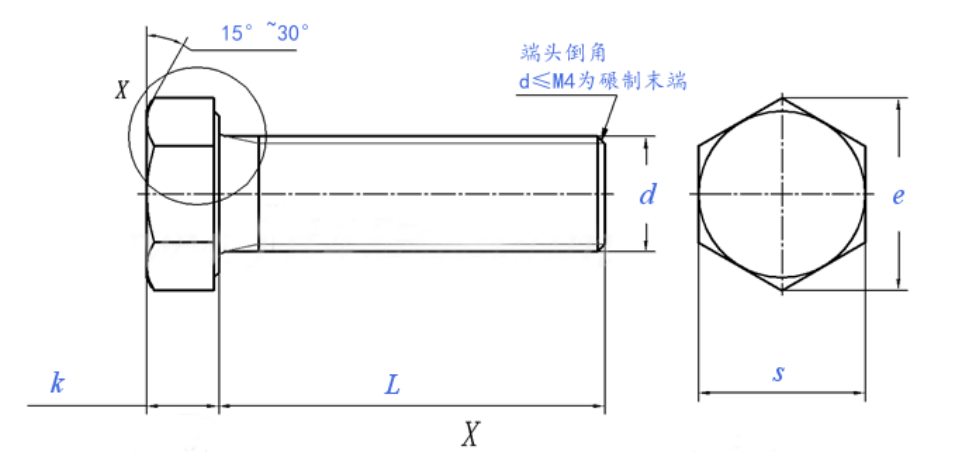
ISO eye bolts are specialized lifting components integral to a wide range of industrial applications, serving as a secure attachment point for slings, ropes, and other lifting devices. Positioned within the lifting and rigging equipment supply chain, their primary function is to provide a robust and reliable means of lifting and transporting loads. These bolts are categorized by their load capacity, thread size, and material composition, adhering to stringent international standards to ensure safety and operational efficiency. Core performance characteristics revolve around tensile strength, shear strength, and fatigue resistance, directly impacting the integrity of lifting operations. A significant industry pain point is ensuring traceability and proper load rating identification to prevent catastrophic failures and maintain regulatory compliance.
Material Science & Manufacturing
The predominant material for ISO eye bolt construction is carbon steel, specifically grades such as AISI 1045 or equivalent, selected for their high tensile strength and ductility. Alloy steels, including those containing chromium-molybdenum (e.g., 4140), are utilized for heavier duty applications requiring enhanced toughness and resistance to impact. Stainless steel (e.g., 304, 316) is employed in corrosive environments. Manufacturing typically begins with hot forging of the bolt blank to achieve the desired shape and grain structure. Forging aligns the metal’s grain flow, improving its strength and preventing stress concentrations. Following forging, the bolt undergoes a heat treatment process, including quenching and tempering, to optimize mechanical properties. Thread rolling, rather than machining, is preferred to impart compressive residual stresses into the threads, increasing fatigue life. The eye is formed either through forging or subsequent machining. Critical parameter control includes maintaining precise temperature profiles during heat treatment, ensuring accurate thread pitch and depth, and employing non-destructive testing (NDT) methods – such as magnetic particle inspection or ultrasonic testing – to detect internal flaws. Chemical composition verification is crucial to ensure conformance to material specifications. Surface treatments like zinc plating or galvanization are applied for corrosion protection.
Performance & Engineering
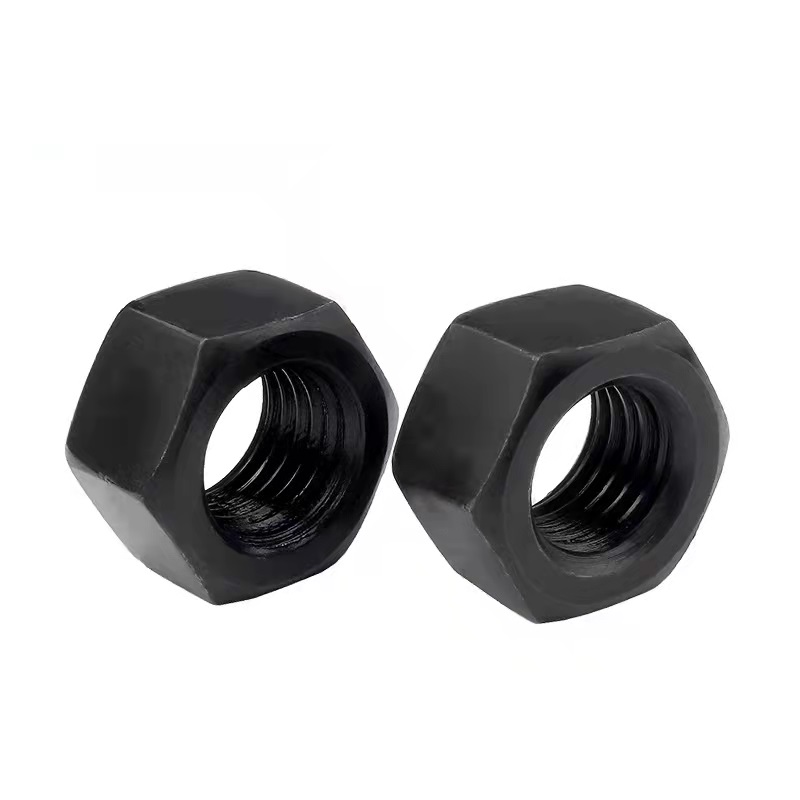
The performance of an ISO eye bolt is dictated by its ability to withstand static and dynamic loads without failure. Force analysis is paramount, considering tensile stress acting along the bolt’s axis and shear stress at the thread interface. The geometry of the eye itself concentrates stress; therefore, a smooth radius and optimized profile are critical. Environmental resistance, particularly to corrosion, is a key factor, influencing the selection of material and surface treatment. Compliance requirements are defined by international standards like ISO 965-1, which specifies the dimensions, material, marking, and proof load testing procedures. Functional implementation demands accurate load calculation and selection of an eye bolt with a suitable working load limit (WLL), accounting for a safety factor (typically 5:1). Angle loading significantly reduces the WLL; therefore, the lifting angle must be carefully controlled to remain within specified limits. Fatigue loading, resulting from repeated lifting cycles, is a major concern. Proper maintenance and regular inspection are essential to identify signs of fatigue cracking and prevent catastrophic failures. Consideration must be given to the effects of temperature, as both high and low temperatures can alter the material's mechanical properties.
Technical Specifications
| Standard | Material Grade | Tensile Strength (MPa) | Minimum Ultimate Load (kN) |
|---|---|---|---|
| ISO 965-1 | Carbon Steel – Grade 8.8 | 800 | 80 |
| ISO 965-1 | Alloy Steel – Grade 10.9 | 1000 | 100 |
| ISO 965-1 | Stainless Steel – A4 | 700 | 70 |
| ASTM A307 | Carbon Steel | 690 | 69 |
| DIN 580 | Carbon Steel – Grade 8.8 | 800 | 80 |
| GB/T 7821 | Carbon Steel Q235 | 490 | 49 |
Failure Mode & Maintenance
Common failure modes for ISO eye bolts include fatigue cracking, particularly at the root of the eye and within the threads. This is often initiated by cyclic loading and stress concentrations. Shear failure can occur if the applied load exceeds the shear strength of the bolt material. Corrosion, especially in marine or industrial environments, can lead to pitting and reduction of the cross-sectional area, weakening the bolt. Overloading, exceeding the WLL, is a primary cause of immediate failure. Thread stripping can occur due to improper tightening or mismatched thread forms. Plastic deformation, observed as permanent stretching or bending, indicates that the bolt has been subjected to excessive stress. Maintenance involves regular visual inspection for signs of cracking, corrosion, or deformation. Non-destructive testing (NDT), such as magnetic particle inspection or dye penetrant testing, can detect subsurface flaws. Lubrication of the threads prevents galling and facilitates proper load distribution. Any eye bolt exhibiting signs of damage or exceeding its inspection interval should be removed from service immediately. Keep a detailed log of inspection dates, load history, and maintenance performed. Replacement should adhere strictly to the original specifications.
Industry FAQ
Q: What is the difference between a Grade 8.8 and a Grade 10.9 eye bolt, and how does this impact load capacity?
A: Grade 8.8 and 10.9 refer to the material’s tensile strength. A 10.9 bolt boasts a significantly higher tensile strength (approximately 1000 MPa) compared to an 8.8 bolt (800 MPa). This translates directly to a higher ultimate load capacity and allows for handling heavier loads, assuming equivalent dimensions. However, 10.9 bolts are generally more expensive and may be overkill for applications with lower load requirements.
Q: How does temperature affect the WLL of an ISO eye bolt?
A: Extreme temperatures can alter the mechanical properties of the bolt material. High temperatures can reduce tensile strength and yield strength, while low temperatures can decrease ductility and increase the risk of brittle fracture. Standards typically specify temperature derating factors to adjust the WLL accordingly. Consult the manufacturer's specifications for detailed guidance.
Q: What is the significance of the proof load test specified in ISO 965-1?
A: The proof load test verifies that the eye bolt can withstand a specific load (typically 2.5 times the WLL) without permanent deformation. It’s a critical quality control measure ensuring the bolt meets minimum strength requirements and performs as intended. Successful completion of the proof load test provides confidence in the product's integrity.
Q: What are the best practices for inspecting eye bolts in the field?
A: Field inspections should include a visual check for cracks, corrosion, deformation, and thread damage. Pay close attention to the eye's root and the thread interfaces. Ensure the bolt is properly marked with its WLL and traceability information. If any defects are identified, the bolt should be removed from service. Regular NDT, such as magnetic particle inspection, is recommended for critical applications.
Q: Can I repair a damaged eye bolt, such as one with minor thread damage?
A: Repairing a damaged eye bolt is generally not recommended. Any attempt to repair a lifting component compromises its structural integrity and introduces the risk of failure. Damaged eye bolts should be replaced with new, certified components. Thread repair kits may seem tempting, but they do not restore the original strength and fatigue resistance of the bolt.
Conclusion
ISO eye bolts are crucial lifting components requiring meticulous attention to material selection, manufacturing processes, and operational parameters. Their performance is fundamentally linked to adherence to international standards, proper load calculation, and diligent maintenance practices. Understanding the potential failure modes – including fatigue cracking, corrosion, and overloading – is vital for preventing catastrophic incidents and ensuring workplace safety.
Moving forward, advancements in materials science, such as the development of higher-strength alloys and corrosion-resistant coatings, will continue to enhance the reliability and longevity of ISO eye bolts. Predictive maintenance strategies, incorporating sensor technology and data analytics, will enable more effective monitoring of bolt health and proactive replacement, minimizing downtime and maximizing operational efficiency. Continued investment in rigorous quality control and comprehensive training for lifting personnel remains paramount to maintaining the highest levels of safety and compliance.