
Introduction
Grade 8.8 hex nuts are a fundamental fastening component in a vast array of industrial applications, particularly in structural engineering, automotive manufacturing, and heavy machinery. Classified under the ISO 898-1 standard, the '8.8' designation denotes the tensile strength and yield strength of the steel used in their manufacture. Specifically, 800 N/mm² represents the ultimate tensile strength, and 640 N/mm² represents the yield strength. These nuts are critically positioned within the fastening supply chain, bridging bolted joints to provide secure and reliable connections. Their widespread adoption is driven by a balance of high strength, relatively low cost, and ease of installation. The core performance characteristics revolve around load-bearing capacity, resistance to loosening under vibration, and consistent dimensional accuracy. A key industry pain point centers around ensuring consistent material quality and traceability, particularly in large-scale supply chains, to prevent premature failure and maintain structural integrity. The selection of appropriate coatings and the prevention of corrosion are also persistent challenges requiring careful consideration.
Material Science & Manufacturing
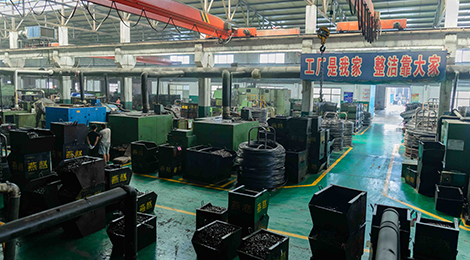
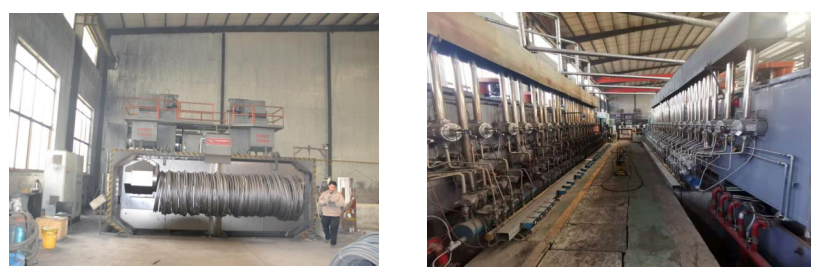
Grade 8.8 hex nuts are typically manufactured from medium carbon steel, specifically conforming to standards such as ISO 898-1 or equivalent national standards (e.g., DIN 934, ASTM A563 Grade A). The primary raw material is carbon steel, often with compositions containing 0.30-0.35% carbon, 0.60-0.90% manganese, and trace amounts of phosphorus and sulfur. The steel undergoes a heat treatment process, crucial for achieving the desired mechanical properties. This typically involves quenching and tempering. Quenching rapidly cools the steel, forming a martensitic structure, maximizing hardness. Tempering then reduces brittleness and enhances ductility. Critical parameters in heat treatment include quenching medium (oil or water-based), quenching temperature, and tempering temperature. Manufacturing processes involve cold forming (upsetting) to shape the nut, followed by thread rolling. Thread rolling is preferred over machining as it maintains the grain flow of the steel, enhancing fatigue strength. Precise control of thread pitch and diameter is paramount, requiring calibrated tooling and inspection. Surface treatments, such as zinc plating, galvanizing, or phosphate coating, are applied to enhance corrosion resistance. The chemical compatibility of the coating with the base material and the intended operating environment are vital considerations. Material defects like inclusions, porosity, and surface cracks are potential failure initiation sites and are closely monitored through non-destructive testing methods.
Performance & Engineering
The performance of a grade 8.8 hex nut is governed by several key engineering principles. Force analysis under tensile load dictates the nut's ability to withstand applied forces without yielding or fracturing. Shear stress analysis is equally important, particularly in bolted connections subjected to lateral loads. The nut's performance is affected by the bolt's grade and the surface condition of the mating components. Environmental resistance is a crucial factor, with corrosion being a primary degradation mechanism. Temperature fluctuations can also affect the nut’s mechanical properties; high temperatures can reduce yield strength, while low temperatures can increase brittleness. Compliance requirements vary by industry and region. For example, in the automotive industry, nuts must meet stringent specifications outlined by standards like IATF 16949. In aerospace applications, traceability and material certification are paramount. Functional implementation relies on proper torque control during installation. Under-torqueing can lead to loosening and joint failure, while over-torqueing can damage the bolt or nut. Prevailing torque nuts (e.g., nylon insert lock nuts) are employed to resist loosening under vibration. Finite Element Analysis (FEA) is often used to simulate stress distribution and optimize nut design for specific applications, predicting performance under complex loading scenarios. The effects of creep and relaxation under sustained load should also be considered in critical applications.
Technical Specifications
| Property | Value (Typical) | Test Standard | Units |
|---|---|---|---|
| Tensile Strength | 800 | ISO 898-1 | N/mm² |
| Yield Strength | 640 | ISO 898-1 | N/mm² |
| Hardness | 30-34 HRC | ASTM A563 | HRC (Rockwell C) |
| Material | Medium Carbon Steel (e.g., SAE 1045) | ASTM A563 | - |
| Thread Type | Metric Coarse (ISO 6150) | ISO 6150 | - |
| Coating | Zinc Plated (8-12 μm) | ISO 4042 | μm (micrometers) |
Failure Mode & Maintenance
Grade 8.8 hex nuts are susceptible to several failure modes. Fatigue cracking, initiated by cyclic loading, is a common issue, particularly in applications with vibration. Corrosion, especially in aggressive environments, can lead to pitting and reduction in cross-sectional area, weakening the nut. Hydrogen embrittlement, caused by the ingress of hydrogen into the steel, can lead to brittle fracture. Stripped threads, resulting from over-torqueing or improper installation, render the nut unusable. Shear failure, occurring when the shear stress exceeds the material’s shear strength, can happen in heavily loaded joints. Oxidation, at elevated temperatures, can alter the material’s microstructure and reduce its strength. Maintenance involves regular inspection for signs of corrosion, thread damage, or deformation. Lubrication with an appropriate anti-seize compound can prevent galling and facilitate removal. Torque checks should be performed periodically to ensure adequate clamping force. In corrosive environments, protective coatings should be reapplied or supplemented with cathodic protection. When replacing a failed nut, it's critical to use a nut of the same grade and specification. Proper bolt and nut pairing (matching grades and materials) is essential to maintain joint integrity. A comprehensive failure analysis, including metallurgical examination, should be conducted for critical failures to identify the root cause and prevent recurrence.
Industry FAQ
Q: What is the significance of the '8.8' marking on a hex nut?
A: The '8.8' marking signifies the tensile and yield strengths of the steel used in the nut's construction. Specifically, '8' represents one-tenth of the ultimate tensile strength (800 N/mm²), and '8' represents one-tenth of the yield strength (640 N/mm²). This marking ensures traceability and provides a clear indication of the nut’s load-bearing capacity.
Q: How does zinc plating affect the corrosion resistance of a grade 8.8 hex nut?
A: Zinc plating provides a sacrificial layer of protection, corroding preferentially to the steel substrate. This significantly enhances the nut's resistance to corrosion in most environments. However, the effectiveness of zinc plating depends on the coating thickness, the quality of the plating process, and the severity of the corrosive environment. In marine or highly corrosive environments, supplementary coatings or alternative materials may be necessary.
Q: What torque value should be used when tightening a grade 8.8 hex nut?
A: The appropriate torque value depends on several factors, including the bolt diameter, thread pitch, lubrication, and the materials being joined. Torque values are typically provided in torque charts or engineering specifications. Using a calibrated torque wrench is crucial to ensure accurate tightening. Over-torqueing can damage the bolt or nut, while under-torqueing can lead to loosening and joint failure.
Q: Can a grade 8.8 hex nut be reused after being disassembled?
A: Reusability depends on the application and the condition of the nut. If the nut shows no signs of damage, such as stripped threads, corrosion, or deformation, it may be reused. However, repeated use can reduce the nut's clamping force and fatigue strength. It’s generally recommended to replace nuts in critical applications after disassembly.
Q: What standards govern the manufacturing and testing of grade 8.8 hex nuts?
A: Several standards govern the manufacturing and testing of grade 8.8 hex nuts, including ISO 898-1 (Mechanical properties for fasteners – Part 1: Bolts, screws and studs), ISO 6150 (Tolerance for fasteners), and ASTM A563 (Chemical and mechanical properties of stainless steel fasteners). These standards specify requirements for material composition, mechanical properties, dimensional accuracy, and testing procedures.
Conclusion
Grade 8.8 hex nuts represent a cornerstone of mechanical fastening, providing a reliable and cost-effective solution for a diverse range of industrial applications. Understanding their material science, manufacturing processes, performance characteristics, and potential failure modes is critical for ensuring the integrity and longevity of bolted joints. Careful attention to factors such as torque control, corrosion prevention, and material traceability are paramount for mitigating risks and maximizing performance.
The continued development of advanced coatings, improved manufacturing techniques, and more sophisticated analytical tools will further enhance the reliability and efficiency of grade 8.8 hex nuts in demanding environments. Adherence to internationally recognized standards, coupled with rigorous quality control measures, remains essential for maintaining consistent performance and preventing catastrophic failures. Investing in comprehensive failure analysis and proactive maintenance programs is crucial for optimizing the lifecycle cost of critical infrastructure and machinery.